Nigerian commuters woke up to a harsh economic reality on Tuesday. Pump prices have suddenly surged across the entire nation. This latest NNPCL fuel price hike threatens household survival.
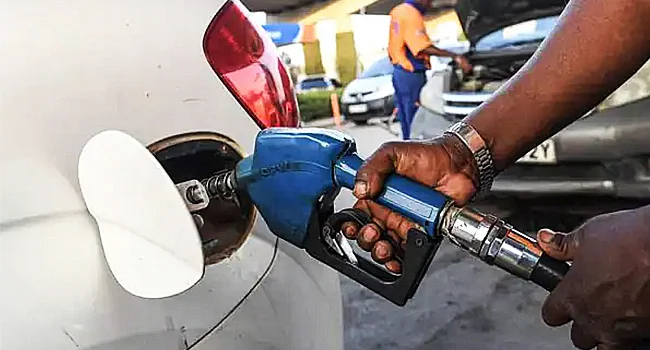
The state-owned oil firm abruptly adjusted its retail petrol costs. The price jumped from N875 to N960 per liter overnight. This represents a staggering increase of N85. Consequently, the financial burden on everyday citizens is soaring.
Abuja residents felt the immediate sting of this change. Outlets along the busy Kubwa Expressway swiftly updated their digital boards. Stations in the Gwarimpa district immediately followed suit. Similar drastic changes hit Wuse Zone 6 and Zone 4.
Independent Marketers Follow the NNPCL Fuel Price Hike
The state oil company is not acting alone. Independent marketers are aggressively matching these new rates. Private stations like Empire and Ranoil Sharon adjusted their pumps swiftly. They now charge between N960 and N980 per liter.
Meanwhile, some independent stations have temporarily paused sales entirely. An MRS outlet along the Kubwa Expressway remained closed on Tuesday. An anonymous manager provided crucial insight into this operational halt.
The manager confirmed an impending retail price review. This frustrating delay stems from massive wholesale cost changes. Retailers cannot sell at old prices without facing massive losses. Therefore, they halt operations to recalibrate their digital pumps.
Industry associations predicted this exact chaotic scenario. The Independent Petroleum Marketers Association of Nigeria issued early warnings. The Petroleum Products Retail Outlets Owners Association of Nigeria agreed. Both groups confirmed a Tuesday price surge was completely unavoidable.
The Dangote Factor in the NNPCL Fuel Price Hike
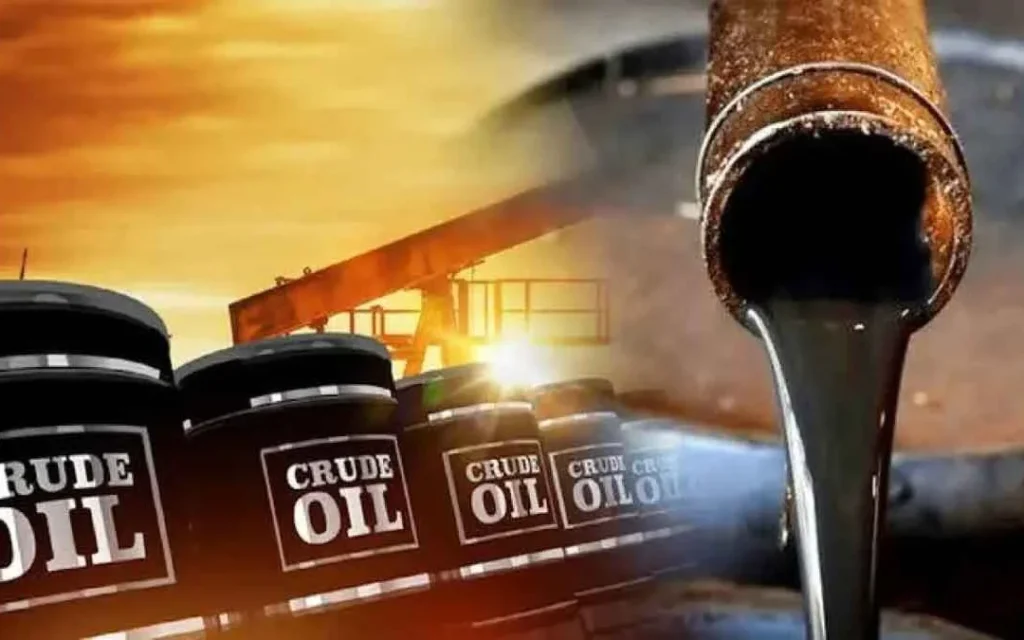
The root cause of Tuesday’s chaos traces back to Monday. The massive Dangote Refinery significantly increased its wholesale rates. The facility raised its gantry petrol price abruptly. The new wholesale cost now stands at N874 per liter.
Many Nigerians initially hoped local refining would guarantee cheap fuel. The mega-refinery promised unprecedented domestic supply security. However, crude oil remains a globally priced commodity. Even domestic refineries must buy raw materials at international rates.
Consequently, locally refined products cannot be artificially shielded. The NNPCL fuel price hike reflects this harsh, unyielding economic reality. There are no longer government financial buffers to absorb the shock. The market is now entirely dictated by pure supply and demand.
How Global Conflicts Drive the NNPCL Fuel Price Hike
Global geopolitical instability is largely to blame for this crisis. Hostilities in the Middle East have escalated rapidly in recent weeks. This region remains a critical global energy hub. Any armed conflict there immediately threatens international supply chains.
Consequently, global crude oil prices have skyrocketed on the spot market. Traders react instantly to potential international production shortages. When crude costs rise globally, refining costs jump proportionally. Local retail pump prices inevitably mirror these massive international shocks.
This is significant because Nigeria operates a fully deregulated downstream sector. The historical removal of petrol subsidies changed everything permanently. Prices now fluctuate freely based entirely on international market dynamics. Therefore, a war thousands of miles away drains Nigerian wallets.
The Broader Economic Toll of the NNPCL Fuel Price Hike
This sudden price jump will devastate the broader national economy. Fuel dictates almost every aspect of Nigerian commercial life. A single naira increase at the pump triggers a massive domino effect.
Key immediate impacts include:
-
Transportation costs will immediately shoot up across all states.
-
Basic food prices will experience a rapid inflation spike.
-
School fees and educational transport will face upward reviews.
-
Healthcare logistics will become significantly more expensive.
Furthermore, small businesses face an absolute existential threat today. The national electrical power grid remains highly unreliable. Therefore, most micro-enterprises rely heavily on petrol generators for survival. Increased running costs will easily crush their already narrow profit margins.
A barber or tailor cannot simply absorb an N85 per liter increase. They must pass this severe operational cost to the consumer. Consequently, the purchasing power of the average citizen drops drastically. This severely slows down general economic growth.
What This Means for the Nigerian Commuter
The daily reality for the average worker just became grimmer. Monthly transport budgets have effectively been destroyed overnight. Many citizens will be forced to drastically alter their daily routines.
Some workers may resort to demanding remote work options. Others will simply be forced to walk long distances. Commercial bus drivers will undoubtedly double their transport fares. This often leads to heated arguments at major bus stops.
Moreover, household food budgets will suffer the most severe collateral damage. When transport costs rise, agricultural logistics become incredibly expensive. Farmers must pay more to move goods to urban markets. The end consumer always pays the ultimate price at the market stall.
Looking Ahead: A Volatile Future
Nigerians must brace for continued economic turbulence in the near future. As long as Middle Eastern tensions persist, crude prices will remain high. Subsequently, the Dangote Refinery will maintain high gantry prices.
The NNPCL fuel price hike is just a symptom of a larger global issue. Without massive government intervention, these retail prices will not drop. The era of cheap, subsidized petrol is officially dead. Citizens must adapt to this brutal, globally connected energy market.
_________________________________________________
$7 Billion Financial Black Hole: Inside the Crackdown on Foreign Airlines Debt in Nigeria