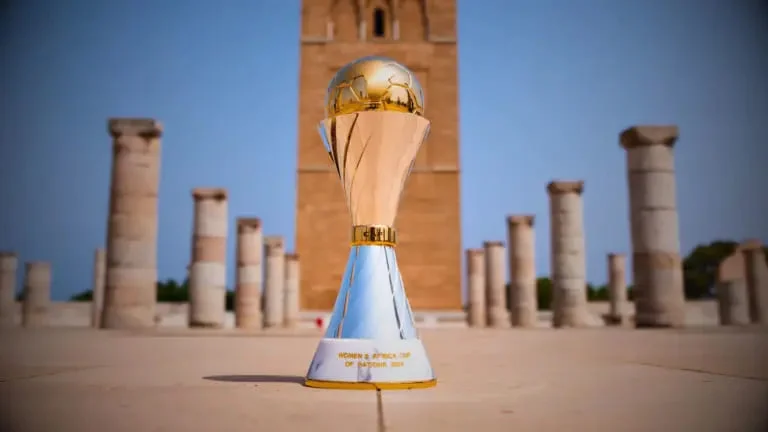
The landscape of African women’s football shifted significantly on Thursday, March 5, 2026. After weeks of growing speculation and logistical concern, the Confederation of African Football (CAF) officially announced a major change. The 2026 Women’s Africa Cup of Nations (WAFCON) has been postponed.
Initially slated for a March kickoff, the tournament will now move to a mid-year window. This decision provides much-needed clarity for fans, players, and participating member associations across the continent. The flagship competition, hosted by Morocco, is now scheduled to run from July 25 to August 16, 2026.
The Strategic Road to Rescheduling
The decision to move the tournament was not made in isolation. CAF confirmed that the new dates were established following extensive consultations. Specifically, they worked with FIFA and other critical stakeholders to find the best possible window. The primary goal of this realignment is to ensure the tournament meets the high standards expected of Africa’s premier women’s sporting event.
Originally, the competition was set to take place between March 17 and April 3. However, “unforeseen circumstances” necessitated a shift. By moving the event to the July-August window, CAF aims to harmonize the continental calendar with global footballing schedules. Furthermore, this provides a better platform for the athletes to perform at their absolute peak.
Addressing Operational and Logistical Challenges
The announcement comes as a relief to many observers. In recent weeks, many had noted a lack of visible preparation for the original March date. Several vital administrative and promotional milestones remained unreached as the deadline approached.
Industry experts pointed to several missing pieces in the organizational puzzle:
- Venue Finalization: Critical details regarding stadiums for the knockout stages had not been fully confirmed.
- Media and Technical Logistics: Processes for journalist accreditation, match official selection, and technical workshops were behind schedule.
- Marketing and Promotion: The usual “buzz” and promotional campaigns that precede a major tournament were largely absent.
By pushing the start date back by four months, the local organizing committee in Morocco now has a significant buffer. They can use this time to finalize infrastructure and marketing efforts. Consequently, CAF expressed total confidence that this additional time will result in a world-class experience for all parties involved.
High Stakes: The Path to the 2027 World Cup
Beyond the continental trophy, the 2026 WAFCON carries immense global weight. The tournament serves as the official African qualifying pathway for the 2027 FIFA Women’s World Cup in Brazil. Because of this, the timing of the event is critical for the global football calendar.
The stakes for the competing nations are incredibly high:
- Automatic Qualification: The four teams that reach the semi-finals in Morocco will secure an automatic ticket to the World Cup in Brazil.
- Play-off Opportunity: A fifth African side will have the chance to qualify via an intercontinental play-off tournament.
Because the WAFCON results directly impact FIFA’s global tournament, the coordination between CAF and FIFA was essential. Ensuring the tournament is played under optimal conditions is vital for the sporting integrity of the World Cup qualification process.
Impact on the Defending Champions: Nigeria’s Super Falcons
For the Super Falcons of Nigeria, the reigning queens of the continent, the postponement offers a dual-edged sword. As they look to defend their hard-won title, the four-month delay allows the technical crew more time to fine-tune their tactics. Moreover, it gives them a chance to integrate new talent into the squad.
Nigeria recently tested their mettle in a high-stakes friendly series against Cameroon in Yaoundé. After a narrow 1-0 loss in the first leg, the Falcons showed their trademark resilience.
They stormed back with a 3-1 victory in the return fixture. This expanded preparation window will likely be utilized for more high-profile friendlies. This ensures the team is at peak fitness by July.
The Host Nation’s Perspective: Morocco 2026
Morocco secured the hosting rights in October 2024. This followed a successful stint as hosts for the previous edition. The North African nation has invested heavily in football infrastructure recently. However, the sheer volume of international events scheduled in the region has put immense strain on local resources.
The new July-August dates may actually benefit the host nation significantly. By avoiding the cooler, rainier spring months, the tournament can enjoy better weather. Additionally, a mid-summer tournament often attracts higher tourist numbers. This provides a significant boost to the local economy and ensures vibrant, packed stadiums for the matches.
Looking Forward: A Summer of African Excellence
While the delay initially caused frustration among fans, the sentiment has shifted toward cautious optimism. CAF’s statement emphasized that “all parties are confident that it will be very successful.” The extra time allows for a more polished and professional event.
For the players, the summer window aligns more closely with the off-season of many major European leagues. Many of Africa’s top stars currently play in Europe. Therefore, this could result in a higher level of play. Athletes will not be forced to juggle club commitments with the national team tournament simultaneously.
Conclusion
The postponement of the 2026 Women’s Africa Cup of Nations is a pragmatic response to complex logistical challenges. By choosing to move the event to July, CAF has prioritized the quality of the competition. Furthermore, they have protected the safety of the qualification process for the 2027 World Cup.
As the countdown begins anew, the focus remains on Morocco’s ability to deliver a spectacular show. For the 16 teams involved, the path to glory has become a little longer. However, the ultimate prize remains as prestigious as ever. The continent now waits for what promises to be a historic summer of football.
MORE NEWS: Global Turmoil Fails to Crack Canadian Currency as Oil Surges