As the calendar turns toward March 15, the air in Congo-Brazzaville is thick with the weight of history and the uncertainty of the future. The Republic of the Congo finds itself at a pivotal junction.
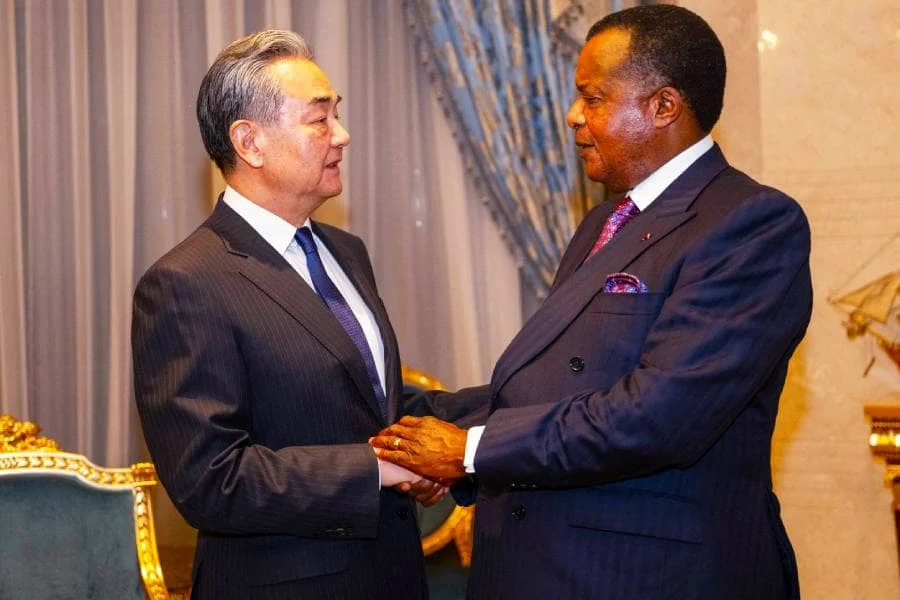
The upcoming presidential election is not just another trip to the polls; it is a moment that could define the nation’s trajectory for the next decade. At the heart of this storm is a singular, towering figure: Denis Sassou Nguesso.
At 82 years old, Sassou Nguesso is one of the world’s longest-serving leaders. Having steered the nation for over four decades in total, he is now seeking what would be his final five-year mandate under the current constitution. But this campaign feels different. Instead of focusing solely on past achievements, the veteran leader has pivoted his narrative toward a surprising and ambitious theme: the empowerment of the next generation.
A Vision for the “New Guard”
While campaigning in the southern hub of Dolisie, Sassou Nguesso didn’t just talk about infrastructure or oil—he talked about legacy. In a continent where the median age is roughly 19, the “gerontocracy” of leadership is a frequent point of friction. Sassou Nguesso seems acutely aware that his audience is getting younger, even as he gets older.
He has framed his current administration as a bridge. Rather than an indefinite rule, he describes his tenure as a period of “laying the groundwork” for those who will eventually inherit the state.
“We want young people to understand that all the work we are doing is also to prepare the conditions for their arrival,” the President remarked during a recent interview. “We will not remain in power forever, and their turn will come.”
This rhetorical shift is a calculated move. By urging the youth to focus on rigorous training and work ethic, he is attempting to transform the frustration of a stagnant political ladder into a sense of “mentorship.” He often draws parallels to his own youth, suggesting that leadership is earned through patience and preparation rather than sudden upheaval.
The Paradox of Oil and Poverty
Congo-Brazzaville is a land of immense contrast. It remains one of Central Africa’s most significant oil producers, yet the wealth flowing from the Atlantic coast often feels worlds away from the streets of its interior.
Nearly half of the country’s six million citizens live below the poverty line. This stark reality is the primary weapon used by the six opposition candidates challenging the President. They argue that forty years of rule should have resulted in more than just “foundations.”
Sassou Nguesso, however, is a man who stands by his record. He firmly rejects allegations that the nation’s oil revenues have been squandered. Instead, he paints a picture of a nation built from the ground up one that lacked basic connectivity at the time of independence.
Congo-Brazzaville Economic Snapshot
| Metric | Current Status |
| Main Economic Driver | Crude Oil Exports |
| Population | Approximately 6 Million |
| Poverty Rate | ~47% |
| National Debt | Under International Scrutiny |
To the President, every paved road and urban expansion is evidence of a strategic long game. He argues that the country’s current “level” of development is a massive leap forward, even if the “trickle-down” effect has been slower than many would like.
The Shadow of Dissent: The Case of the Detainees
No election in the region is without its controversies, and in Congo-Brazzaville, the shadows of the past loom large. Two figures in particular General Jean-Marie Michel Mokoko and André Okombi Salissa continue to reside in prison.
Both were high-profile presidential candidates in previous cycles who were eventually convicted of undermining national security. Their continued detention remains a sticking point for international human rights groups and local activists.
When pressed on their fate, Sassou Nguesso’s tone is a complex mix of legal firmness and political pragmatism. He refuses to call them “opponents,” preferring to label them as “collaborators” whose political ambitions led them astray. Crucially, he has hinted at a future release, stating they would not “die in prison,” but he insists that their release is a matter of legal process rather than political negotiation.
The Succession Enigma
The most whispered question in the corridors of power in Brazzaville is: Who comes next?
Because this would be his final term, the race to succeed him has unofficially begun within his own party, the Congolese Party of Labour (PCT). Yet, Sassou Nguesso has remained a master of the “wait and see” approach. He has declined to name a successor, choosing instead to speak of a “holistic” preparation for the future.
This silence is strategic. By not naming a “Dauphin,” he:
- Prevents Internal Fractures: An early endorsement could spark a civil war of influence within his own inner circle.
- Maintains Authority: He ensures that he does not become a “lame duck” leader during his final five years.
The Road Ahead: 2026-2031
If the voters grant him this final mandate, the “Sassou Nguesso System” faces its toughest test yet. Beyond the speeches, the next five years will require massive shifts in how the country operates.
To truly empower the “new guard,” the government will need to move beyond oil. Economic diversification is no longer a luxury; it is a necessity for survival in a world moving away from fossil fuels.
Furthermore, job creation must move from a campaign slogan to a reality for the millions of young people who have followed the President’s advice to “train hard” but find no desks waiting for them.
Conclusion: A Legacy in the Balance
The March 15 election is more than a contest between seven men. It is a referendum on the past four decades and a gamble on the next five. Sassou Nguesso is betting that the Congolese people prefer the stability of a known quantity over the uncertainty of a fragmented opposition.
As the campaign enters its final, frantic days, the eyes of the world are on the Congo River. Whether this final term will be a true “bridge to the future” or simply a preservation of the status quo is the question that will determine the fate of six million people.
READ ALSO: Diplomatic Breakthrough: Guinea Releases 16 Detained Sierra Leonean Security Officers