
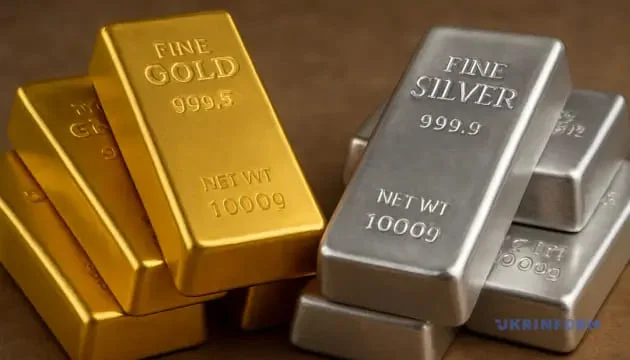
The global gold market is currently witnessing an unprecedented rally. Prices for the “yellow metal” have reached historic highs in both international and domestic markets as of Thursday, February 12, 2026. While gold is traditionally seen as the ultimate “safe haven” asset, this current surge is creating significant friction for local traders and traditional consumers who rely on the metal for financial security.
Economic analysts point to a “perfect storm” of factors driving this trend. Primary drivers include severe currency volatility, escalating geopolitical tensions across the Middle East and Eastern Europe, and mounting concerns regarding U.S. government debt levels. Furthermore, fears of political interference in global monetary policies have led investors to flee traditional currencies in favor of the stability of gold.
The Local Impact: Traditional Markets Under Pressure
In the bustling jewelry markets of Morocco, the global price spike has translated into a localized economic standstill. For generations, gold jewelry has served as a primary form of savings for families. However, at current rates, the metal is becoming increasingly inaccessible to the average citizen.
Mouhcine Baydi, a veteran gold trader, describes a market in crisis. According to Baydi, the purchasing process has become almost impossible for his regular clientele.
“We are having extreme difficulty selling our product,” Baydi explains. “Women find it very expensive—truly expensive at 1,600 dirhams for just one gram. In the past, women in difficult financial situations could choose a piece of jewelry and pay in installments. They would pay perhaps 1,000 dirhams per month until the balance was cleared. Now, this is impossible because the price of gold is simply not stable enough to offer such credit.”
The Death of the Installment Plan
The instability mentioned by Baydi highlights a significant shift in traditional commerce. Historically, gold merchants acted as informal bankers for their communities. The “layaway” or installment system allowed low-income families to acquire assets over time.
Today, because the price of gold can fluctuate significantly within a single 24-hour period, merchants can no longer lock in a price for a customer over several months. If a trader agrees to a price today and the market jumps 10% by next month, the merchant faces a substantial loss. This has effectively killed the “credit” culture that once sustained the Moroccan jewelry industry.
Consumer Frustration and Price Shock
It is not just the high price that is deterring buyers, but the speed of the changes. Maroua Benkiran, another trader, notes that the lack of price predictability is damaging the relationship between merchants and their clients.
“The price gold has reached now is higher than anything we have seen before,” Benkiran says. “Even basic selling has become a challenge. We might agree on a price with a client in the morning, but by the time they return with the funds, the market price has shifted. They get upset, and the trust is broken.”
Why is Gold Rising? The Macroeconomic Drivers
To understand the struggle in the markets of Casablanca, one must look at the global financial landscape of 2026. Gold’s status as a “safe haven” means its value inversely correlates with confidence in traditional fiat currencies and government stability.
1. Currency Volatility
As major world currencies fluctuate due to inflation and shifting trade balances, investors move their wealth into gold, which maintains its intrinsic value regardless of a specific nation’s economic health.
2. Geopolitical Tensions
Conflict creates uncertainty. When international shipping routes are threatened or regional wars escalate, gold becomes the preferred asset because it is portable, globally recognized, and not tied to a single government’s survival.
3. U.S. Debt Concerns
With U.S. government debt reaching new heights in 2026, there are growing fears about the long-term stability of the U.S. dollar. This has prompted central banks worldwide to increase their gold reserves, further driving up the price for retail consumers.
4. Monetary Policy Interference
Analysts have warned that political pressure on central banks to keep interest rates low is undermining the independence of monetary policy. Investors view gold as a hedge against the potential “debasement” of currency caused by such political maneuvers.
A Changing Market for Jewelry
The high price of gold is forcing a shift in the jewelry industry. Some designers are now moving toward “hollow” jewelry—pieces that look substantial but use less gold to remain affordable. Others are seeing a rise in the demand for silver or 14-karat gold, as the traditional 18-karat and 21-karat pieces preferred in North Africa become luxury items reserved only for the ultra-wealthy.
Expert Advice: Invest with Caution
Financial experts are urging the public to exercise extreme caution. While the trend is currently upward, gold markets are prone to “corrections”—sudden drops in price that can wipe out the savings of small-scale investors who “buy at the top.”
Recommendations for Individuals:
- Stay Updated: Monitor international market feeds daily, not just local shop prices.
- Diversify: Do not put all of your savings into gold at these record-high prices.
- Long-term View: Only buy gold if you intend to hold it for several years to weather potential volatility.
Conclusion: The Future of the “Safe Haven”
The current gold crisis in Morocco is a microcosm of a global shift. As the world navigates the economic uncertainties of 2026, the very asset meant to provide security—gold—is becoming a source of stress for those who need it most.
For traders like Baydi and Benkiran, the hope is for a return to market stability. Until then, the glittering displays in the windows of Casablanca may remain just that—displays that few can afford to take home.
READ MORE: Starsky Aviation Fokker 50 Crash-Lands in Mogadishu: All 55 Aboard Survive