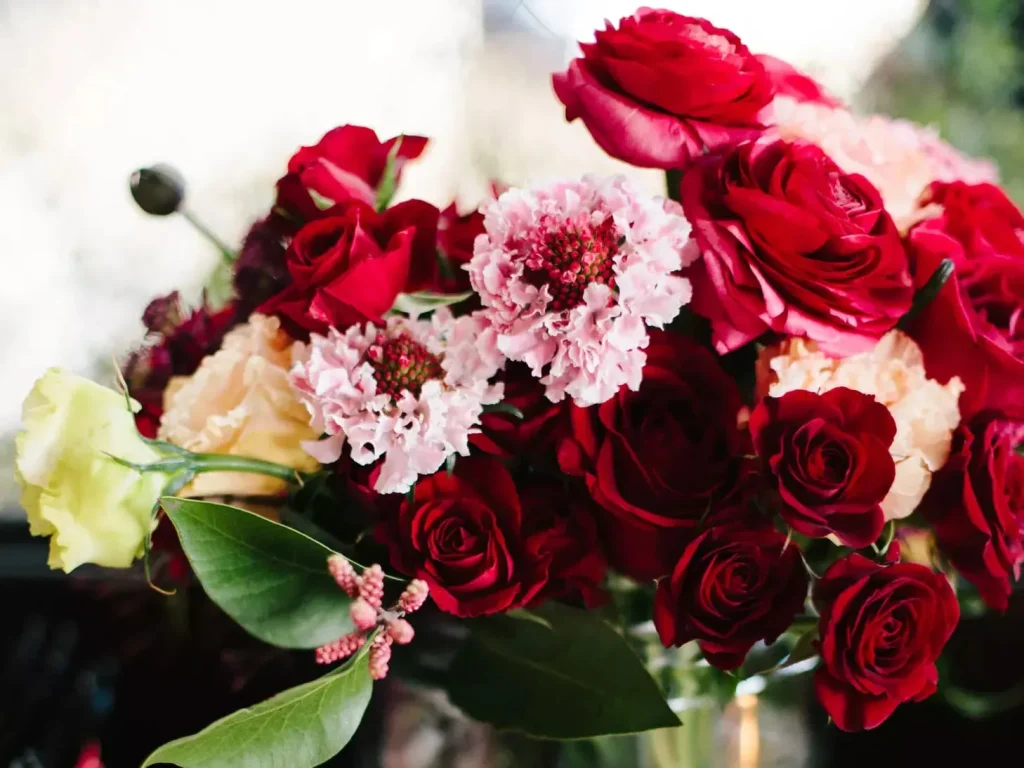
Every February 14th, the world transforms into a sea of crimson roses, heart-shaped boxes, and overpriced dinner reservations. We are told it is the “Day of Love,” a time to celebrate romance with poetic cards and sweet confessions. Yet, if you were to peel back the layers of red foil and lace, you would find a history that is far more than the “Game of Thrones” and “The Notebook.”
The story of Valentine’s Day is a bizarre, centuries-long transformation. It began with ancient pagan blood rituals, survived the clandestine weddings of a rebellious priest, and was eventually polished into a multi-billion-dollar industry by Victorian poets and 20th-century corporations.
The Raw Beginnings: Lupercalia and the Feast of Wolves
To find the true roots of Valentine’s Day, we must travel back to Ancient Rome. Long before the Church gave the day a saintly name, the Romans celebrated Lupercalia from February 13th to 15th. This was not a festival of chocolates and cuddles; it was an unrefined, pastoral rite aimed at warding off evil spirits and purifying the city.
The ritual began with the “Luperci”—a group of Roman priests—gathering at the Lupercal cave, where legend said the founders of Rome, Romulus and Remus, were suckled by a she-wolf. The priests would sacrifice goats for fertility and a dog for purification.
In a move that would shock modern sensibilities, the priests would then cut thongs from the hides of the sacrificed goats, dip them in blood, and run through the streets of Rome. They would gently slap women with these hide strips—a practice believed to ensure fertility and ease the pains of childbirth. As rough as it sounds, Roman women welcomed the “touch,” viewing it as a spiritual blessing for the coming year.
The Man Behind the Mystery: Who was St. Valentine?
As Christianity began to rise across Europe, the Church sought to “baptize” pagan holidays, replacing bloody rituals with the stories of martyrs. This is where the historical waters get murky. The Catholic Church recognizes at least three different saints named Valentine or Valentinus, all of whom were martyred.
The most popular legend involves a priest in 3rd-century Rome. Emperor Claudius II (known as “Claudius the Cruel”) believed that single men made better soldiers because they weren’t distracted by wives or families. To bolster his army, he outlawed marriage for young men.
Valentine, realizing the injustice of the decree, defied the Emperor and continued to perform marriages for young lovers in secret. When his actions were discovered, Claudius ordered his execution. According to the legend, while in jail, Valentine fell in love with the jailer’s daughter and sent her a final note before his execution on February 14th, signed: “From your Valentine.”
While historians debate how much of this is fact versus folklore, the narrative served its purpose. By the end of the 5th century, Pope Gelasius I officially declared February 14th as St. Valentine’s Day, effectively ending Lupercalia and giving the world a patron saint of lovers.
The Middle Ages: Birds, Bees, and Geoffrey Chaucer
For centuries, St. Valentine’s Day remained a quiet religious feast. It wasn’t until the Middle Ages that the day truly became synonymous with romance. During this era, Europeans believed that February 14th marked the beginning of birds’ mating season, adding a layer of natural “love in the air” to the date.
However, the person most responsible for the romantic makeover of the holiday was the English poet Geoffrey Chaucer. In his 1382 poem Parliament of Fowls, he wrote:
“For this was on Saint Valentine’s Day, when every bird cometh there to choose his mate.”
This was the first recorded instance of linking the saint’s day to the idea of romantic courtship. Following Chaucer, the “Valentines” tradition exploded among the European aristocracy. The oldest known Valentine’s poem still in existence today was written in 1415 by Charles, Duke of Orleans, to his wife while he was imprisoned in the Tower of London.
The Victorian Era: Lace, Vinegar, and the Commercial Boom
By the mid-19th century, the Industrial Revolution changed the holiday forever. Before this, Valentine’s notes were handmade, labor-intensive works of art. The invention of the printing press and cheaper postage (the “Penny Post”) allowed the masses to join in.
In the 1840s, Esther A. Howland, known as the “Mother of the American Valentine,” began mass-producing the first commercial cards in the United States. Her designs were elaborate, featuring real lace, colorful ribbons, and “lift-up” flaps.
Interestingly, not all Victorian Valentines were sweet. The era also saw the rise of “Vinegar Valentines”—insulting, anonymous cards sent to people you disliked, featuring caricatures and mean-spirited poems. It was the 19th-century version of an anonymous “hate comment.”
The Modern Era: A $26 Billion Phenomenon
Today, Valentine’s Day is a global economic powerhouse. In 2026, spending is projected to exceed $26 billion in the United States alone. The holiday has expanded beyond romantic partners to include friends (“Galentine’s Day”), family members, and even pets.
The Modern Spending Breakdown (Estimated 2026):
Cupid: The Ancient God in a Modern Nappy
We cannot discuss the history of Valentine’s without the chubby cherub with the golden arrows. Cupid was not always a baby. In Greek mythology, he was Eros, the handsome, powerful son of Aphrodite. He was a primordial force of desire who could be both cruel and kind.
The Romans adopted him as Cupid, and over time, artists during the Renaissance began to depict him as a putto—a small, winged boy. By the Victorian era, this “cute” version of the god of desire became the perfect mascot for the sanitized, commercialized version of the holiday we know today.
The Global Reach: How the World Celebrates Today
While the Western world focuses on roses and cards, other cultures have developed unique traditions:
- Japan: Women give “Giri-choco” (obligation chocolate) to male colleagues and “Honmei-choco” to romantic interests. Men return the favor a month later on “White Day.”
- South Korea: Those who don’t receive anything on Valentine’s Day or White Day celebrate “Black Day” on April 14th by eating black bean noodles and mourning their single status.
- Wales: Instead of February, the Welsh celebrate St. Dwynwen’s Day on January 25th, where men traditionally give women hand-carved “love spoons.”
Conclusion: Why We Still Celebrate
From the blood-soaked streets of Lupercalia to the digital “love alerts” of 2026, Valentine’s Day has survived because it taps into a fundamental human need: the desire to be seen and appreciated.
Whether you view it as a “Hallmark Holiday” or a sacred time for romance, the day serves as a rare moment in our busy lives to stop and articulate our feelings. Behind the plastic lace and the mass-produced chocolates is a 2,000-year-old story of rebellion, poetry, and the enduring power of the human heart.
“Which part of Valentine’s history shocked you the most? Are you team ‘Romantic Legend’ or team ‘Pagan Ritual’? Let us know in the comments below or share this with someone who thinks they know the true story!”