A violent cyclone has left a trail of death and destruction across Madagascar’s eastern coast. On Thursday, February 12, 2026, the island’s disaster management authority released an updated toll, confirming that at least 35 people have died following the impact of Cyclone Gezani.
The storm made landfall on Tuesday, slamming into Toamasina, the nation’s second-largest city. With sustained winds reaching 250 kilometers per hour (155 mph), Gezani is being compared to the most catastrophic storms in the region’s history.
The Toll of the Storm: Toamasina in Ruins
The National Office for Risk and Disaster Management (BNRGC) provided a grim assessment of the humanitarian situation on Thursday. Beyond the confirmed fatalities, the disaster has left a significant portion of the population vulnerable.
Current Casualty and Displacement Report:
- Fatalities: 35 people confirmed dead.
- Missing: 6 individuals remain unaccounted for.
- Injuries: At least 374 people are receiving treatment for various injuries.
- Displaced: Over 8,800 residents have been forced to flee their homes.
Madagascar’s new leader, Colonel Michael Randrianirina, has officially called for “international solidarity.” He noted that the cyclone “ravaged up to 75 percent of Toamasina and its surroundings,” leaving the city of 400,000 people in a state of emergency.
Widespread Destruction and Infrastructure Failure
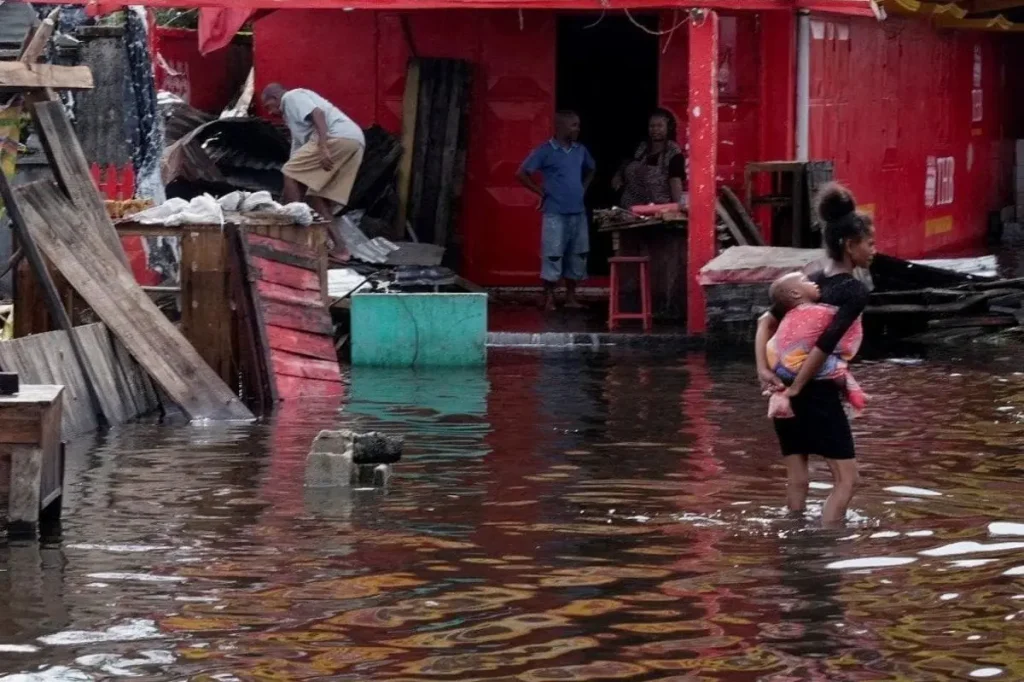
Visual reports from the ground show a city paralyzed by debris. Strong winds felled hundreds of trees, blocking major transit routes and crushing vehicles. The structural damage to the city’s housing is immense.
According to the BNRGC:
- Destroyed Homes: More than 18,000 houses have been completely leveled.
- Damaged Property: An additional 50,000 homes are currently flooded or severely damaged.
- Logistical Hurdles: Humanitarian teams worked through Wednesday night to clear roads and restore access to isolated neighborhoods.
The CMRS cyclone forecaster on Reunion Island confirmed that Toamasina was struck by the “most intense part” of the storm. Experts suggest Gezani’s intensity rivals that of Cyclone Geralda in 1994, which killed 200 people and remains a benchmark for disaster in the region.
Path of the Storm: Mozambique on High Alert
While Gezani weakened into a tropical storm as it moved across Madagascar’s interior on Wednesday, its threat is far from over. Meteorologists predict the system will regain cyclone status as it moves into the warm waters of the Mozambique Channel.
Regional Forecast:
- Friday Evening: Gezani is projected to strike southern Mozambique.
- Compounding Disaster: Mozambique is already struggling with severe flooding that began earlier this year, making this new threat particularly dangerous.
Conclusion: A Harsh Cyclone Season
The southwest Indian Ocean cyclone season, which runs from November to April, typically produces around a dozen named storms. However, Gezani’s sheer power has exposed the vulnerability of Madagascar’s coastal infrastructure.
As post-disaster assessments continue in the Atsinanana region, the priority remains the delivery of food, clean water, and medical supplies to the thousands of displaced Malagasy citizens.
ALSO READ: Netanyahu Meets Trump: US Insists on Continued Iran Negotiations