
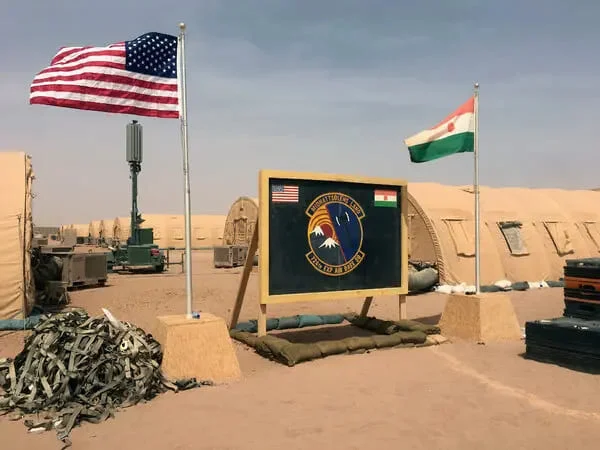
The landscape of African security is currently undergoing its most radical transformation in decades. In a definitive move that mirrors his “America First” doctrine, President Donald Trump has initiated a phased, large-scale withdrawal of U.S. military personnel from several key African nations.
This strategic retreat aims to fulfill a long-standing campaign promise. Primarily, it focuses on the reduction of “endless overseas commitments.” Furthermore, the policy seeks the redirection of federal resources toward domestic priorities. However, as the American flag is lowered in outposts across the Sahel and the Horn of Africa, a complex and potentially volatile chapter begins.
This move does more than just move boots off the ground. Indeed, it is forcing a total recalibration of regional alliances. Consequently, the move leaves a security infrastructure that was built on Western cooperation suddenly hollowed out.
The End of an Era: AFRICOM in Transition
For nearly twenty years, the United States Africa Command (AFRICOM) served as the cornerstone of counter-terrorism efforts on the continent. Through a “light footprint” strategy, the U.S. avoided large-scale troop deployments. Instead, they favored specialized units, drone surveillance, and joint training exercises. That era is now coming to a close.
The withdrawal primarily targets counter-terrorism hubs in the Sahel region—specifically Niger and Chad. It also affects significant portions of East Africa, including Somalia. While the Trump administration argues that African nations are now mature enough to lead their own defense, regional leaders disagree. International security analysts warn of a burgeoning power vacuum that could take years to fill.
The Security Vacuum: Rising Insurgency Risks
The most immediate concern following the withdrawal is the loss of the “eyes in the sky.” For over a decade, U.S. special forces and intelligence agencies provided critical Intelligence, Surveillance, and Reconnaissance (ISR) support. This technical superiority allowed small, local teams to punch far above their weight.
Potential security consequences include:
1. Critical Intelligence Gaps
Modern counter-insurgency relies heavily on drone technology and signal intelligence. Without U.S. drone bases in Agadez and other regional hubs, local militaries will struggle. Specifically, they will find it harder to track militant movements across vast, porous desert borders. This “blindness” makes rural communities and military outposts significantly more vulnerable to ambush.
2. Resurgent Militancy
Extremist groups such as Al-Shabaab in Somalia are notorious for their adaptability. Historically, these groups expand their territorial control the moment Western pressure eases. There is a high risk that the withdrawal will be viewed as a “victory” by these factions. As a result, this may encourage more aggressive recruitment and bolder offensive operations.
3. The Erosion of Tactical Training
U.S. Green Berets and Navy SEALs spent years mentoring elite African units. A prime example is the Danab Brigade in Somalia. These units were specifically trained to operate alongside U.S. assets. Without ongoing joint exercises, the tactical proficiency of these units may diminish. National armies could eventually lose their most effective counter-terrorism tools.
Geopolitical Shift: Rivals Fill the Void
Nature and geopolitics—abhors a vacuum. As the U.S. exits, competitors are moving in with remarkable speed. Experts warn that a U.S. retreat does not end foreign involvement; it simply changes the players. Both Russia and China have demonstrated a significant appetite for expanding their influence. They use a mix of “no-strings-attached” security contracts and massive infrastructure projects.
The Rise of Russian Paramilitaries
In nations like Mali and Burkina Faso, the exit of Western forces has already led to the entrance of Russian private military contractors. These groups offer regime protection in exchange for mining concessions. Unlike the U.S., these entities often operate without the oversight of human rights conditions. While this appeals to certain regional administrations, it raises serious alarms regarding civilian safety.
China’s Economic-Security Nexus
Beijing continues to leverage its “Belt and Road Initiative” to secure strategic access to Africa’s mineral wealth. However, China is now bundling these economic deals with security technology. This includes facial recognition surveillance and digital monitoring tools. By filling the U.S. void, China positions itself as the primary partner for both economic and internal security needs.
Economic and Diplomatic Fallout
The withdrawal involves more than just soldiers and hardware. It also signals a broader diplomatic cooling. In international relations, a military presence often acts as the “anchor” for broader cooperation. When the U.S. reduces its security commitment, it loses significant leverage in several areas.
Key areas of lost leverage include:
- Trade Negotiations: African nations are less likely to prioritize American trade interests if the U.S. seems like an unreliable partner.
- Human Rights Advocacy: The “leverage of the trainer” is lost. Without the carrot of military aid, the U.S. has fewer tools to encourage democratic reforms.
- Counter-Narcotics: Beyond terrorism, U.S. assets played a role in curbing the flow of narcotics and protecting maritime trade lanes.
“A military withdrawal is rarely just about soldiers,” notes a senior fellow at a D.C.-based think tank. “It sends a clear message to African capitals that the U.S. is no longer a reliable long-term security guarantor.”
Consequently, they are seeking guarantees from Moscow, Beijing, and Middle Eastern powers.
What Lies Ahead: An African-Led Future?
The Trump administration maintains that this withdrawal will eventually force African nations to achieve true independence. Under this “tough love” approach, the African Union (AU) must now accelerate its own security frameworks. Regional blocs like ECOWAS are also under pressure to lead stabilization missions.
However, the challenges for an African-led model remain significant:
- Funding: Most regional missions have historically been funded by the U.S. and the EU. Finding internal revenue for long-term campaigns is a massive hurdle.
- Logistics: African armies often possess the manpower but lack heavy-lift transport. They also lack the medical evacuation capabilities that the U.S. previously provided.
- Unity: Regional rivalries often stall the deployment of multi-national forces. Previously, American mediation helped smooth over these conflicts.
The “America First” Conclusion
For the Trump administration, the success of this policy will be measured in dollars saved. The White House maintains that the “strategic retreat” will save American taxpayers billions over the next decade. By shifting the burden of stability to the countries most affected by it, the administration believes it is creating a more sustainable global order.
Nevertheless, the long-term cost to global stability remains a subject of intense debate. If the Sahel becomes a launchpad for international terror again, the retreat may carry a higher price tag than originally anticipated. Similarly, if U.S. companies lose access to vital markets to Chinese rivals, the economic cost could be substantial.
Is the ‘America First’ retreat a masterstroke of domestic policy or a dangerous gamble for global security? Share your take in the comments: Should the U.S. prioritize regional stability, or is it time for African nations to lead their own defense?