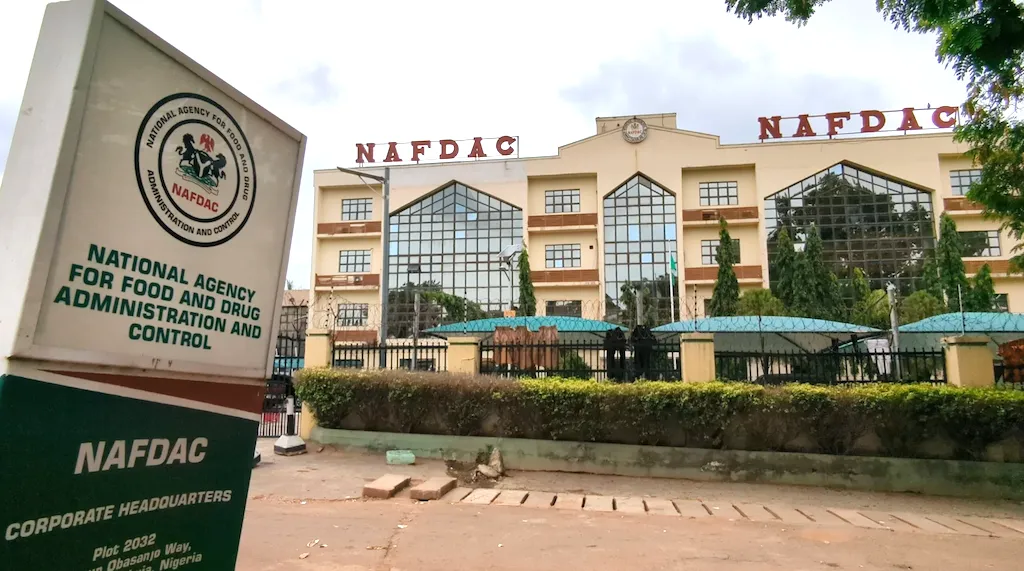
A critical public health announcement has come from the national food and drug regulatory authority. This urgent notice addresses a suspected falsified antibiotic discovered within the nation’s drug distribution system.
The medication, labeled BETACLOX (Ampicillin 250mg and Cloxacillin 250mg), features bogus information. Its circulation introduces a significant danger to public health.
How the Deception Was Uncovered
The regulatory alert originated from a retailer in Zaria, Kaduna State. This store noticed issues after acquiring the suspicious item from a distributor in Kano.
Subsequent official inquiries revealed several glaring discrepancies:
- Fraudulent Labeling: The registration number (A4-4724) printed on the fake BETACLOX container is deceptive. That number actually belongs to an entirely different drug, Mebendazole 500mg, produced by another manufacturer. This confirms outright fraudulent numbering practices.
- Misuse of Company Identity: The packaging incorrectly lists Freeview Pharmaceutical Ltd. as the importer, providing an inaccurate Calabar address. Agency verification established that the authentic Freeview Pharmaceutical Ltd. operates from a distinct location. This clearly indicates an unauthorized identity being used by the counterfeiters.
The regulatory body confirmed the product bears untrue registration details. Furthermore, its origin remains unverified.
Key Information on the Fake Product
Details about the specific lot of the counterfeit antibiotic are essential for identification:
- Product: BETACLOX (Ampicillin 250mg and Cloxacillin 250mg)
- Batch: 230701
- Stated Producer: Saeny Laboratory Pvt. Ltd., Kerala, India
- Production Date: 07/2023
- Expiration Date: 07/2026
- False Registration No.: A4-4724
Call for Action and Vigilance
The regulatory authority has mobilized its resources. All zonal and state coordinators received orders to initiate immediate field surveillance. Their goal is to locate and remove any falsified medical items nationwide.
Pharmacists and healthcare providers must intensify their diligence. They should only obtain their medications from authorized suppliers. Additionally, they must meticulously inspect product packaging for proof of authenticity.
The general public plays a vital role. Anyone encountering suspicious drug products should contact the nearest regulatory office. Alternatively, utilize the agency’s dedicated toll-free number. Despite continuous market raids and enforcement, the challenge posed by fake medicines persists.
Foreign Comments Spark Dialogue on Nigeria’s Religious Stability