Ecuador is witnessing widespread protests after the government removed diesel subsidies. Indigenous farmers and bus drivers have led demonstrations nationwide, challenging President Daniel Noboa’s administration.
Diesel Hike Triggers Nationwide Protests
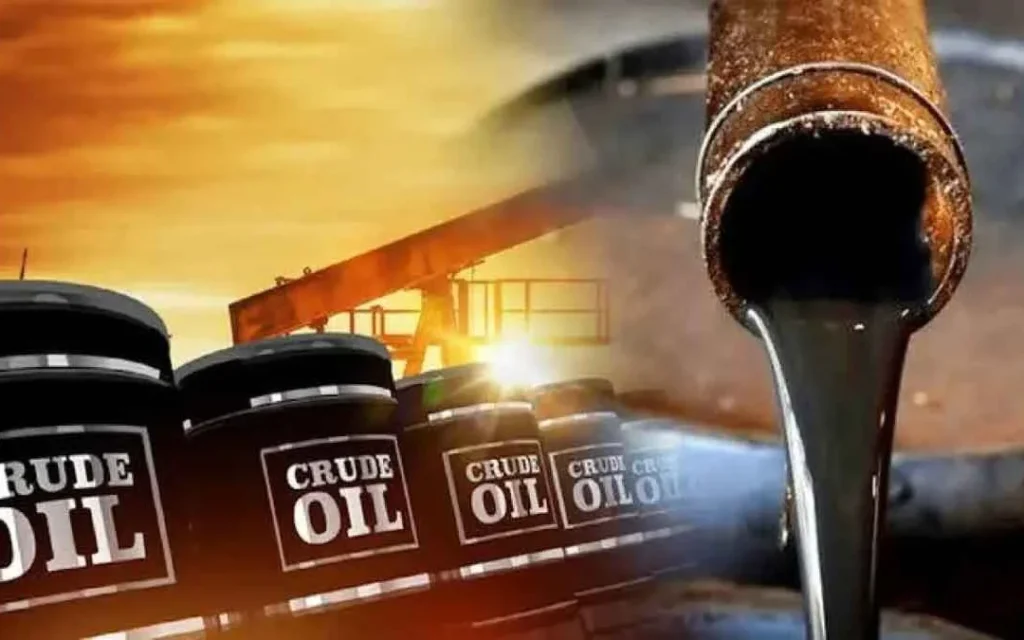
On September 12, President Noboa ended the diesel subsidy, raising fuel costs from $1.80 to $2.80 per gallon. The price increase has hit transport, agriculture, and fishing sectors hard, fueling the Ecuador protests 2025.
Clashes Turn Deadly
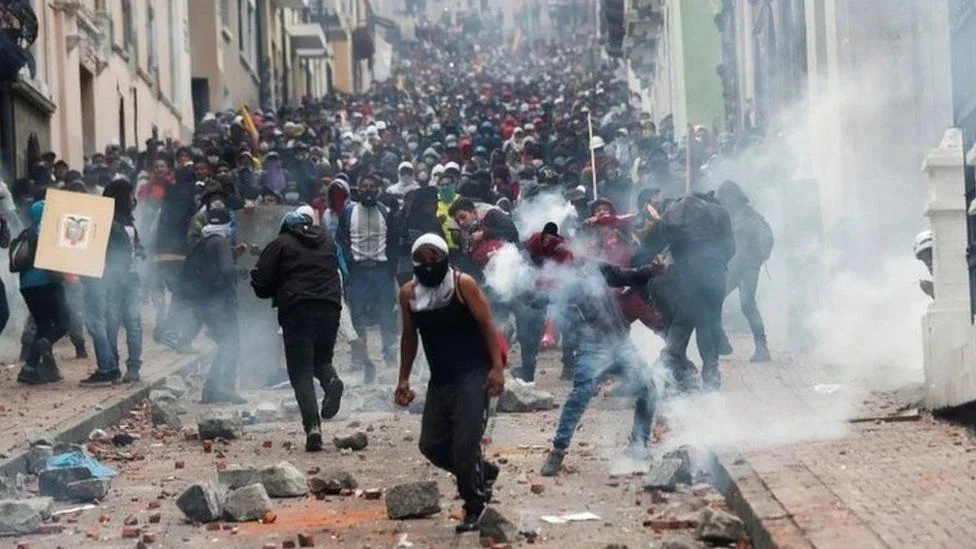
Protests quickly escalated into violent confrontations. One person has died, dozens were injured, and over 100 demonstrators were arrested. Northern provinces, particularly Imbabura, have seen the most intense unrest.
Military Deployed in Quito
After protesters attacked President Noboa’s motorcade, authorities deployed 5,000 troops to Quito. The move aims to curb unrest in the capital, though tensions remain high.
Northern Regions Face the Brunt
Imbabura, a province that supported Noboa in April’s election, is the epicenter of protests. Indigenous communities reliant on diesel express growing frustration over economic hardships.
No Government-Protester Dialogue Yet
No talks have occurred between the government and protest leaders. Both sides blame each other for escalating tensions, keeping the country in uncertainty.
Economic Impact on Citizens
The subsidy cut has severely affected low-income workers. Rising diesel prices have fueled public anger, with no immediate government plan to ease financial pressure.
Path Forward
President Noboa faces growing pressure to negotiate solutions. The Ecuador protests 2025 continue to test his administration’s ability to maintain order while addressing economic grievances.
__________________________________________________