On September 9, 2025, Sudan’s capital, Khartoum, was hit by a major power outage following drone strikes by the paramilitary Rapid Support Forces (RSF), escalating the ongoing conflict and disrupting efforts to rebuild the war-torn city.
Drone Attacks Target Infrastructure
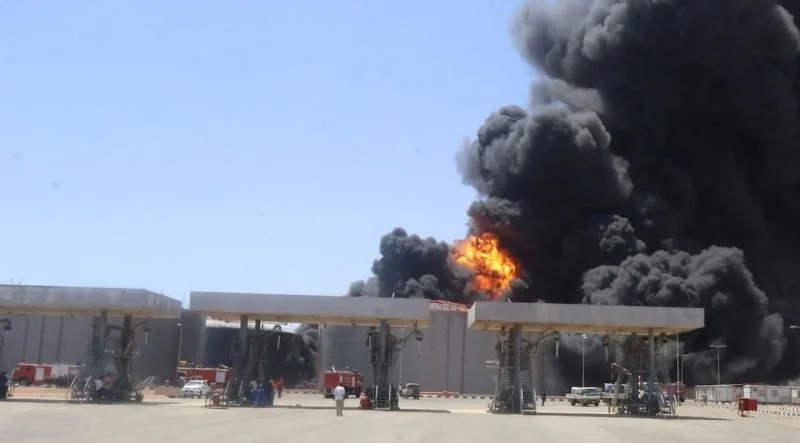
Eyewitnesses reported that RSF drones struck critical sites, including a power station, an oil refinery, a military air base, and a weapons factory.
The attacks caused widespread blackouts across Khartoum, particularly in Omdurman, where videos showed burning electrical transformers.
Sudan’s Ongoing Conflict
The conflict between the Sudanese army and the RSF, which began in April 2023, has devastated Khartoum, once the epicenter of fierce fighting.
The war has claimed an estimated 40,000 lives and displaced over 12 million people, many facing famine-like conditions.
In May 2025, the army regained control of the capital, but returning residents have found destroyed homes and scarce resources, with limited access to electricity, food, and water.
Reconstruction Efforts Under Threat
Last month, Sudan’s army-backed provisional government launched a $300 million reconstruction program to restore basic services in Khartoum, according to United Nations estimates. However, the recent drone strikes threaten these efforts.
Authorities plan to deploy anti-aircraft defenses to protect key infrastructure from further attacks.
Broader Conflict Dynamics
Fighting persists in El Fasher, the Sudanese army’s last stronghold in North Darfur, as the RSF seeks to expand its control.
In August 2025, the United Nations Security Council rejected the RSF’s attempt to establish a rival administration in areas it controls, warning that it endangers Sudan’s territorial integrity and could worsen the conflict.
Looking Ahead
The RSF’s drone attacks highlight the fragility of Sudan’s recovery and the challenges of stabilizing the country amid a humanitarian crisis.
With millions displaced and infrastructure under constant threat, international support and diplomatic efforts are critical to addressing Sudan’s deepening conflict.