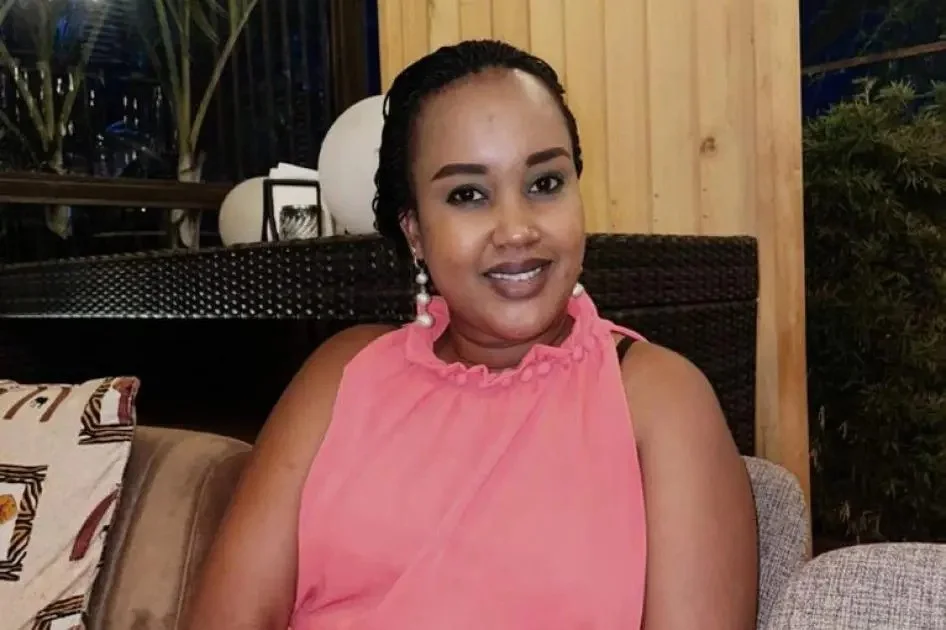
On January 2, 2023, Burundian journalist Floriane Irangabiye was sentenced to 10 years in prison by the Mukaza High Court in Bujumbura, convicted of undermining the integrity of the national territory, as reported in news updates and reviewed by the Committee to Protect Journalists (CPJ). This case, significant as of 05:03 PM WAT on August 29, 2025, highlights ongoing press freedom concerns in Burundi.
Conviction and Circumstances
The charges against Irangabiye stem from her role as a commentator and host on Radio Igicaniro, a diaspora-based online outlet critical of Burundian politics and culture. Prosecutors pointed to an August 2022 program where she and guests criticized government leaders, accusing them of corruption and rights abuses. An audio recording found on her phone after her August 30, 2022, arrest was cited as evidence of inciting rebellion and overthrowing the government. Additional evidence included her frequent travel between Rwanda, her residence, and Burundi, her birthplace, plus photos with Rwandan President Paul Kagame and former Burundian President Pierre Buyoya, the latter convicted in absentia in 2020 for a presidential murder. Prosecutors also alleged her involvement in civil society meetings to mobilize exiled youth against the government, claims she and her defense denied, arguing her journalistic freedom.
Irangabiye, held at Muyinga Prison since her arrest, was fined 1 million Burundian francs (US$482). Her defense plans to appeal, a move supported by CPJ’s Muthoki Mumo, who condemned the sentencing as evidence of the state’s “cruelty and deep intolerance” for critical voices. Mumo urged prosecutors not to oppose the appeal and called for legal reforms to prevent targeting journalists with vague laws.
Official Response and Context
Burundi’s Prosecutor General Sylvestre Nyandwi defended the conviction, asserting compliance with national procedures and denying political motivation, though CPJ received no immediate response from the Ministry of Justice or Justice Minister Domine Banyankimbona. The case reflects Burundi’s broader crackdown on press freedom since 2015, amid a jihadist-linked insurgency that has killed thousands and displaced millions, complicating the media landscape.
Ongoing Relevance
As of August 29, 2025, Irangabiye’s case remains a focal point for human rights advocates, with her appeal’s outcome and Burundi’s press policies under scrutiny. The tension between state security narratives and journalistic expression continues to shape the region’s discourse.