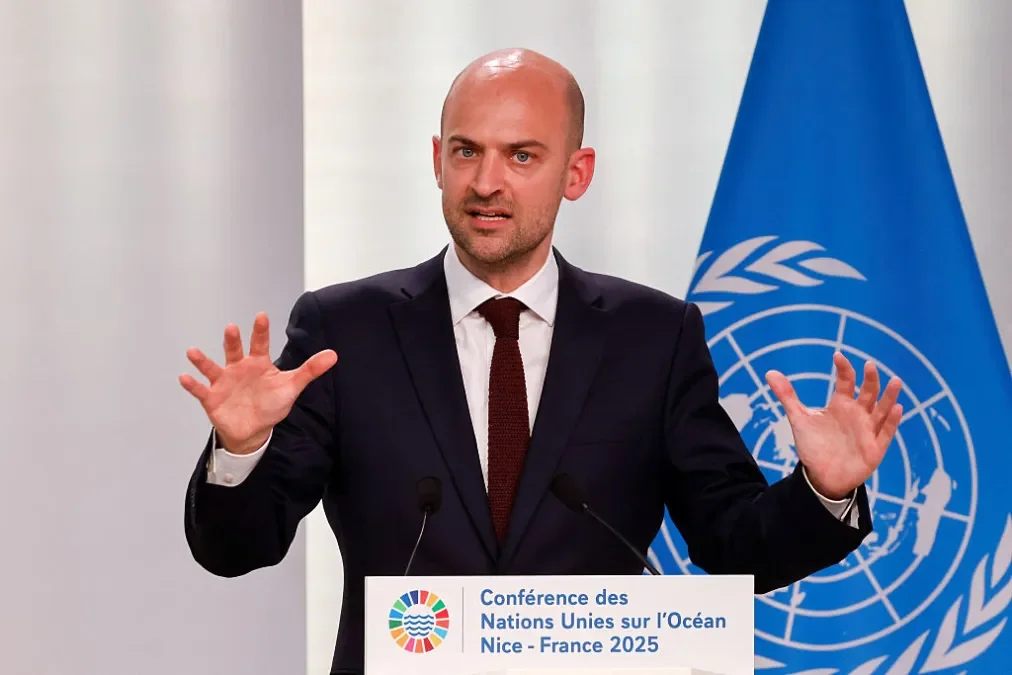
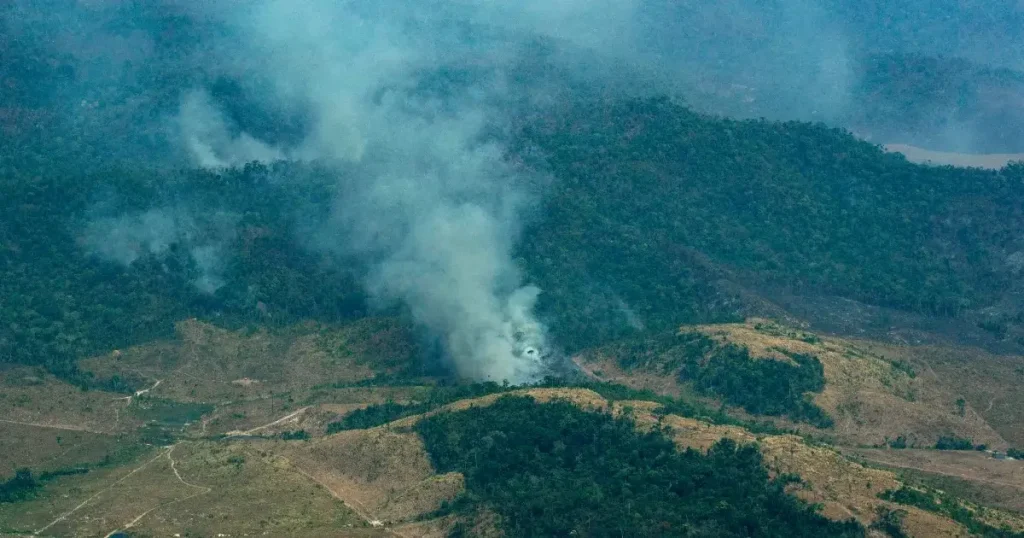
On March 29, 2022, nations proposed an additional biodiversity meeting in Nairobi, Kenya, from June 21 to 26, to advance negotiations on a global framework to “live in harmony with nature” by 2050, with key 2030 milestones, per AFP. The proposal, documented on the Convention on Biological Diversity (CBD) website, came as Geneva talks ended without a draft text for the UN Biodiversity Conference (COP15), originally set for Kunming, China, but delayed by the COVID-19 pandemic. The Nairobi meeting required formal approval from the Geneva session, per.
Context of COP15 Delays
The Geneva negotiations, tackling both scientific and policy aspects, struggled to finalize the post-2020 Global Biodiversity Framework (GBF) after two years of pandemic-related delays, per. “Delegates have concluded they need more time to agree on a draft text,” for COP15, which was later rescheduled for December 7–19 in Montreal, Canada, under China’s presidency, per. The framework aimed to address biodiversity loss, with only 2 of 20 Aichi Biodiversity Targets met by 2020, per a 2020 UN Global Biodiversity Outlook.
Nairobi’s Role and Urgency
The proposed Nairobi talks aimed to refine the GBF’s 22 draft targets, including protecting 30% of land and oceans by 2030, amid concerns over unresolved issues like finance and biopiracy, per. “Countries suggest holding a new meeting in the Kenyan capital… to continue negotiations,” per the CBD document. Conservation groups, like WWF, emphasized COP15’s role in reversing nature’s decline, with 1 million species at risk, per a 2019 IPBES report. Kenya, hosting prior CBD talks, offered a neutral venue to bridge divides, per.
Challenges and Global Stakes
The Geneva talks highlighted tensions, with only 2 of 22 GBF targets finalized, per. Developing nations pushed for $20 billion annually in biodiversity funding by 2025, later agreed in Montreal, per. “Conservation groups hope the COP15 can reinvigorate efforts,” after past failures, per AFP. The Nairobi meeting was critical to align positions before COP15, where the Kunming-Montreal GBF was adopted, setting a “30×30” target to protect 30% of ecosystems by 2030, per.
Outcome and Implications
The Nairobi talks occurred from June 21–26, 2022, but made limited progress, with “more divergence than convergence,” per. Despite this, they set the stage for COP15’s success in Montreal, where 188 nations adopted the GBF, per. The extra meeting underscored global urgency, with biodiversity loss costing $2.7 trillion in GDP by 2030 if unchecked, per a 2022 UNDP report. Nairobi’s role reinforced Africa’s growing influence in environmental diplomacy, per @UNBiodiversity on X.