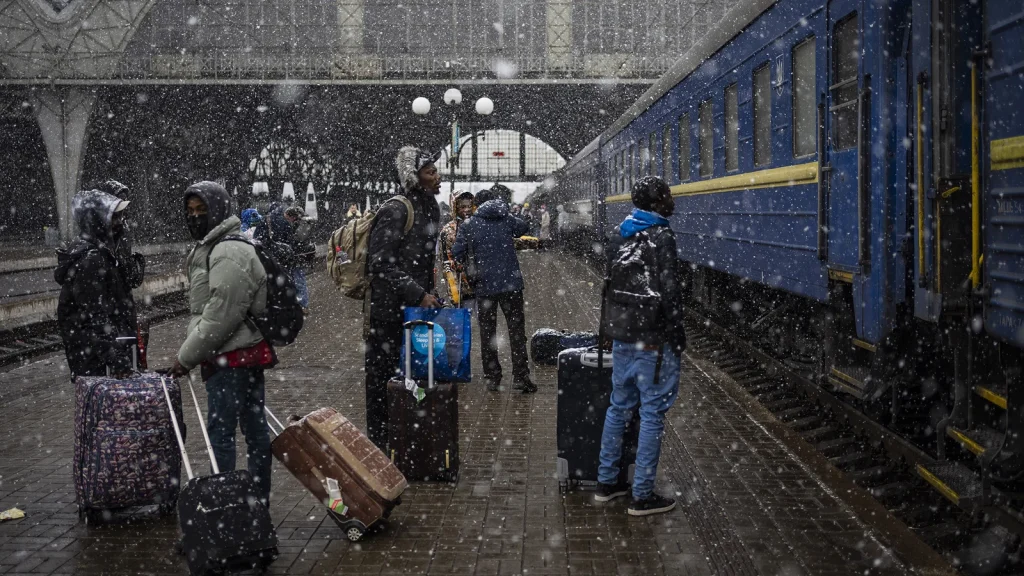
As the conflict in Ukraine intensifies, African countries like Ghana and Nigeria are taking urgent steps to bring their citizens home from the war-torn region.
The Russian invasion has displaced millions, with the United Nations reporting over 660,000 people fleeing Ukraine and around one million internally displaced as of early March 2022.
Among those affected are thousands of African students and residents, prompting swift action from their governments.
Ghana’s Evacuation Efforts
Ghana successfully evacuated its first group of 17 students, who arrived in Accra on commercial flights funded by the government. These students, part of an estimated 500 awaiting repatriation, expressed relief at returning home after harrowing escapes.
Priscilla Adjai, one of the evacuees, shared her fears of living near bombed areas, prompting her to flee after consulting her family.
“The journey was tough, but I’m grateful to be back in Ghana,” she said.
Another student, Esther Edze, credited the Church of Pentecost for assisting her group in crossing the border to meet Ghanaian diplomats.
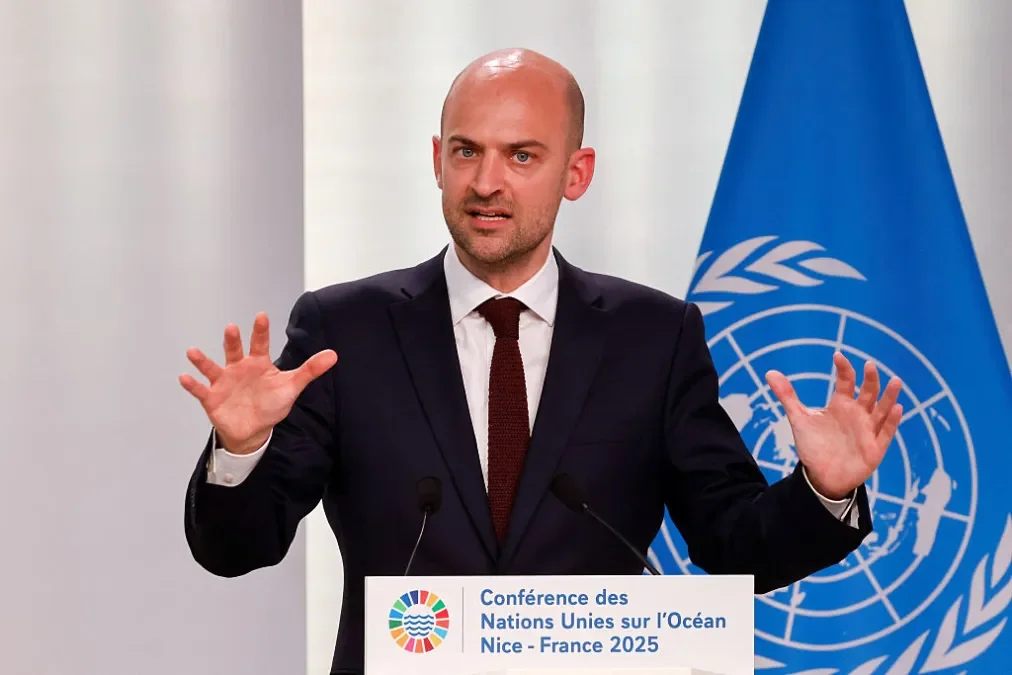
Foreign Minister Shirley Ayorkor Botchwey confirmed that 527 Ghanaians have crossed into neighboring European countries, with plans to evacuate those who wish to return.
The process is complicated by the fact that many African nations, including Ghana, lack embassies in Kyiv, often relying on diplomatic missions in Moscow or other cities.
Nigeria’s Response to the Crisis
Nigeria is preparing to evacuate over 1,500 citizens starting Wednesday, using chartered flights from Poland, Romania, and Hungary, where many have sought refuge.
Foreign Affairs Minister Geoffrey Onyeama estimated that around 5,600 Nigerian students and up to 8,000 Nigerian citizens reside in Ukraine.
He has engaged with Ukrainian and Polish authorities to ensure safe passage across borders, addressing concerns about discriminatory treatment.
Reports of mistreatment have sparked outrage, with the African Union condemning actions that appear “shockingly racist.”
Some African students at the Ukraine-Poland border described being overlooked in favor of Ukrainian nationals.
Richard Adjei Kusi, a Ghanaian student, recounted waiting for days without progress: “The queue isn’t moving for us. Some have been stuck for over four days.”
Despite assurances from Poland’s ambassador to Nigeria that all refugees receive equal treatment, these accounts highlight ongoing challenges.
Broader African Efforts
Other African nations, including South Africa, Senegal, and the Democratic Republic of Congo, are also mobilizing to assist their citizens.
Senegal’s Secretary of State for Citizens Abroad, Moise Sarr, noted that over 20 Senegalese have crossed into Poland and are receiving support from the embassy in Warsaw.
A collaborative effort among a dozen African embassies has pooled resources to better assist nationals still in Ukraine or neighboring countries.
Ukraine hosts approximately 16,000 African students, drawn by affordable education and opportunities.
The absence of embassies in Kyiv complicates evacuations, as noted by Ukraine’s ambassador to South Africa, Liubov Abravitova.
This has pushed African governments to work through diplomatic channels in nearby countries to secure their citizens’ safety.
Moving Forward
The crisis underscores the need for coordinated international support to ensure safe passage for all refugees, regardless of nationality.
African governments are stepping up, but the challenges of logistics, border access, and reported discrimination highlight the complexity of the situation.
As evacuations continue, the focus remains on bringing citizens home safely and addressing inequities in treatment at borders.