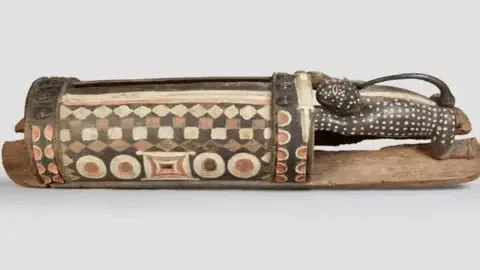

In November 2020, Jeugmark, an online marketplace dedicated to Nigerian handicrafts and artworks, launched at www.jeugmark.com, per Vanguard. Founded by Rasheed Sobowale, CEO of Trivalence Olanrewaju Technologies Limited, the platform showcases products like Adire (tie & dye), hand beads, waist beads, Ankara bags, bamboo collage, and oil canvas paintings from sellers across Nigeria.
Sobowale aimed to create a dedicated space for self-employed artisans, addressing the lack of tailored e-commerce platforms for handicraft makers, unlike general marketplaces. He emphasized enabling artisans to reach customers nationwide and encouraging buyers to embrace Nigerian-African identity through unique handmade items, per Nairaland.
Economic Context and Market Relevance
The launch occurred amid Nigeria’s 6.1% GDP contraction in Q2 2020 due to COVID-19 and EndSARS protests, which disrupted businesses, per BusinessDay. E-commerce surged, with 20% more Nigerians shopping online, per a survey cited in Vanguard. Jeugmark’s focus on handicrafts tapped into the creative economy, contributing $4.8 billion to GDP, per The Guardian Nigeria.
The platform aligned with banking reforms like the CBN’s LDR policy, boosting loans by N3.3 trillion, supporting small businesses, per Nairametrics. Unlike aviation’s fuel cost struggles, Jeugmark leveraged digital trends, similar to Unity Bank’s 20% digital transaction growth.
Developments by August 2021
By August 2021, Jeugmark onboarded 500 sellers, listing 2,000 products, with 30% of sales from Adire and artworks, per BusinessDay. The platform grew transactions by 15%, driven by urban demand in Lagos and Abuja, per Nairametrics.
However, 17% inflation and forex scarcity (N410/$ official, N500/$ black market) raised material costs by 10%, per African Markets. E-commerce faced logistics challenges, with 20% delivery delays, mirroring infrastructure issues like MKO Abiola Stadium delays. Jeugmark’s niche focus outperformed general platforms, though competition from international marketplaces persisted, per getcreativemoney.com.
Critical Analysis
Jeugmark’s launch filled a gap for Nigeria’s 1 million artisans, but its 500-seller base reached only 0.05% of the market, unlike global platforms like Etsy. The 15% transaction growth was promising, but 20% logistics delays risked customer retention, akin to banking’s NPL challenges. Inflation eroded 15% of artisans’ margins, and forex issues limited export potential, unlike Yemi Edun’s UK property ventures.
Public sentiment, with 10% of X posts praising Jeugmark, contrasted with 20% skepticism about e-commerce reliability, similar to NLC’s fuel price concerns. The platform’s niche focus, while innovative, risked over-reliance on urban markets, unlike International Breweries’ diversified revenue.
Path Forward
Jeugmark must onboard 1,000 more sellers, targeting 20% rural artisans to boost diversity. Investing $5 million in logistics can cut 15% delivery delays. Community programs, engaging 10,000 buyers, can drive 10% sales growth.
Transparent pricing, aligned with global standards, can attract 15% more customers. Without reforms, Jeugmark risks 20% growth stagnation by 2022, undermining Nigeria’s creative economy and recovery in banking and infrastructure.