Residents of southern Chad are preparing to confront representatives of British mining giant Glencore in a mediation process after a series of oil-related incidents allegedly poisoned their water supply, destroyed farmland, and harmed their health.
The mediation comes after the UK government formally accepted a human rights complaint filed on their behalf.
Years of Environmental Damage
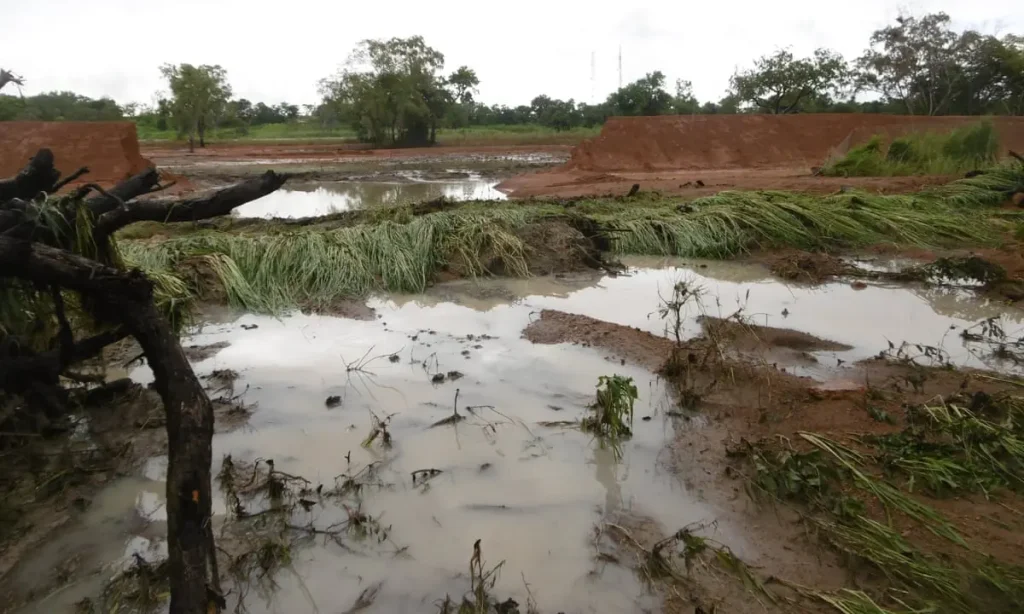
The conflict between villagers and Glencore traces back to September 2018, when an earth bank supporting a wastewater basin at one of the company’s facilities collapsed. According to witnesses, contaminated water rushed across farmlands and into the Nya Pende River — the main source of drinking water for thousands of local residents.
At least 15 people suffered burns from direct contact with the polluted water. Villagers reported noticeable changes in the water’s taste, smell, and appearance. Later, a traditional leader and other residents discovered a leaking oil feeder pipe near the riverbank, raising further concerns about contamination.
The Nya Pende River, vital for fishing and irrigation, became unsafe. Fish were found floating dead, and those who consumed them experienced illness. Reports of skin lesions, stomach pain, vomiting, and other symptoms spread among the affected communities.
A Legal Challenge Gains Ground
Public Interest Law Center (PILC) lawyer Delphine Kemneloum Djiraïbé, working alongside RAID (Rights and Accountability in Development) and AJTZP, filed a detailed 49-page complaint. The document accused Glencore of failing to uphold the Organisation for Economic Co-operation and Development (OECD) guidelines on environmental protection and human rights due diligence.
The complaint detailed multiple incidents, including a third major spill in July 2020 that inundated Malom village. This incident contaminated the local well, forcing residents to find alternative sources of water. While Glencore UK claimed that only 3–4 cubic metres of oil-contaminated water were spilled, locals insisted the volume was closer to 60 cubic metres.
Livelihoods at Risk
Beyond the health impacts, the oil spills damaged farmland, killed livestock, and disrupted livelihoods in an area where agriculture and fishing are central to survival. While a few farmers received small compensation payments, many others were left with nothing. Villagers say their repeated attempts to get Glencore to take responsibility were met with silence or denial.
Djiraïbé stressed that the damage went beyond property loss. “This is about dignity,” she said, emphasizing that the people of the Nya Pende region deserve to be heard, respected, and protected.
UK Government Steps In
The UK National Contact Point (UKNCP), which oversees adherence to OECD guidelines, reviewed the case and decided to accept it for mediation. This move does not automatically mean Glencore has been found guilty of wrongdoing, but it does open the door for structured discussions between the company and the affected communities.
Glencore has stated that it was transparent in handling the 2018 wastewater incident and reiterated that the UKNCP’s decision was not a judgment against them. However, for many villagers, the mediation represents the first real chance to present their case directly to the company.
A Long Road Ahead
The mediation process, if conducted fairly, could set an important precedent for corporate accountability in Chad and beyond. Environmental and human rights groups hope that Glencore will use the opportunity to address the villagers’ concerns comprehensively, provide adequate compensation, and commit to stronger environmental safeguards to prevent future disasters.
For the communities along the Nya Pende River, the stakes are high. Clean water, fertile farmland, and public health are all on the line. Whether mediation will bring lasting solutions remains to be seen, but for now, it offers a glimmer of hope to those who have been fighting for justice for more than five years.