
Prime Minister Mark Carney has signed a historic agreement with Alberta that paves the way for a new oil pipeline to the Pacific coast, ending years of federal-provincial deadlock but igniting instant political backlash.
What the Deal Includes
- Alberta gets federal exemptions from key climate rules and the northern BC tanker ban
- In exchange, the province will adopt tougher carbon pricing and build the world’s largest carbon-capture network
- The pipeline must be privately financed — no public money
Immediate Fallout
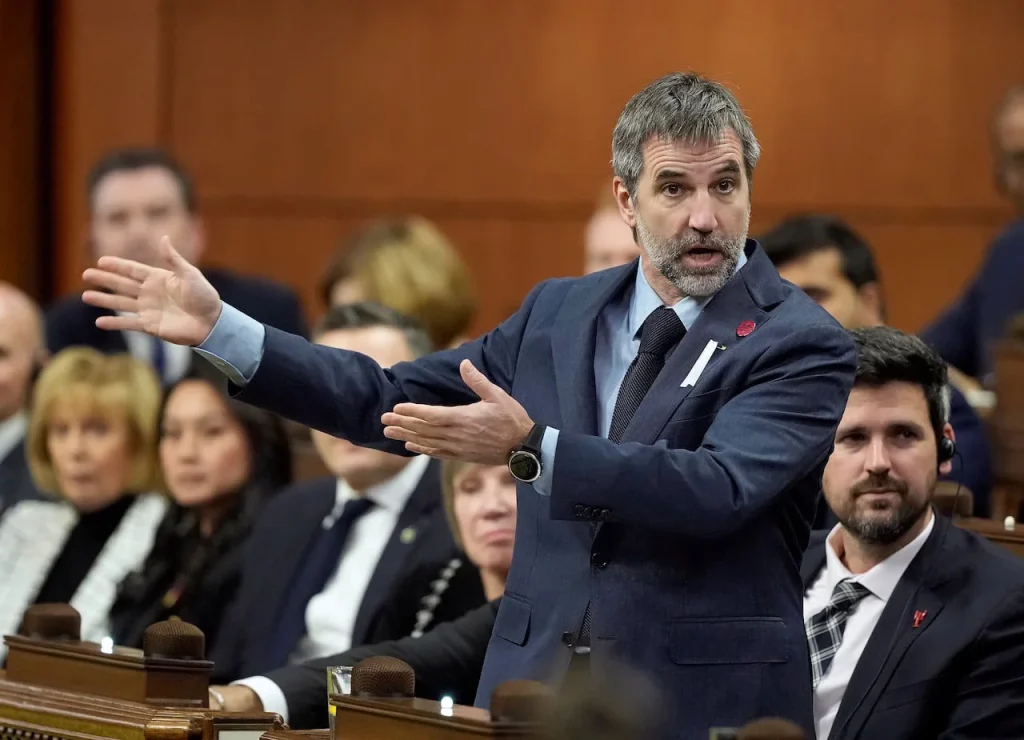
Heritage Minister Steven Guilbeault, a longtime environmental campaigner, quit cabinet Thursday night, saying the agreement “guts Canada’s climate commitments” and risks irreversible damage.
Carney insisted the deal balances energy security with emissions reduction, calling it “climate-competitive growth.”
Alberta Cheers, BC Fumes
Alberta Premier Danielle Smith hailed it as a “new dawn” for the oil sector. British Columbia Premier David Eby slammed the talks for excluding his province, warning the project lacks First Nations consent and private investors.
Why Carney Says It’s Essential
Canada currently sends over 90% of its oil exports to the United States. With looming U.S. tariffs threatening that market, Carney wants to double sales to Asia within ten years and reduce reliance on a single buyer.
Long Road Ahead
No route has been chosen. Alberta has set aside C$14 million to develop a detailed plan and attract private funding. Coastal First Nations remain firmly opposed, vowing the pipeline “will never cross our lands.”
Opposition Leader Pierre Poilievre called it “all talk, no delivery.”