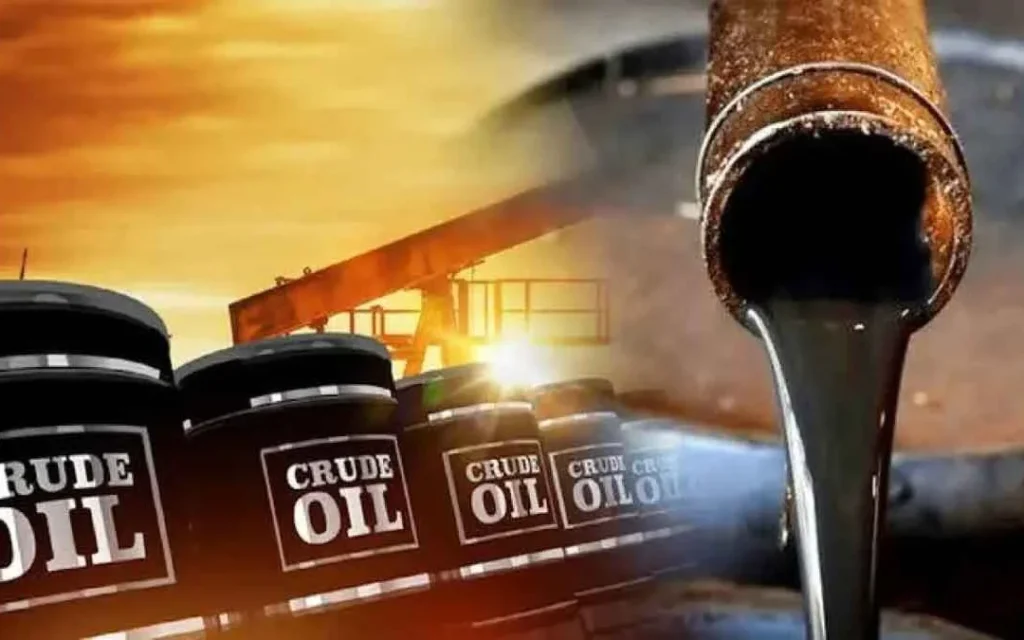
Jet fuel costs the same barrel everywhere, but airlines feel wildly different pain because of one simple reason: currency strength against the US dollar.
The Hidden Fuel Tax
Oil is priced and paid for in dollars. When a local currency weakens, the same barrel suddenly costs way more in real money. When it strengthens, carriers get an instant discount.
Who’s Hurting Most
Since 2022, the dollar has crushed many currencies, turning fuel into a nightmare expense for:
- Russian airlines (sanctions crushed the ruble)
- Brazilian carriers (ongoing fiscal chaos)
- European, Chinese and Indian operators (euro, yuan and rupee all slid)
Meanwhile, airlines in countries whose currencies recently gained against the dollar are quietly saving millions.
The 60/50 Trap
Here’s the structural problem:
- Roughly 60% of an airline’s costs are dollar-based (fuel, aircraft leases, maintenance)
- Only about 50% of revenue comes in dollars
That 10-point gap means every dollar spike eats straight into profits.
Experts calculate a 1% rise in the US dollar wipes roughly 0.1 percentage points off industry operating margins. A 1% fall does the opposite a hidden windfall.
Bottom Line
Two airlines can buy the exact same fuel on the same day and one still ends up paying 20-30% more — not because of oil prices, but because of where their passport is printed.
In today’s volatile forex world, currency movement has become the silent profit killer (or saviour) for airlines worldwide.