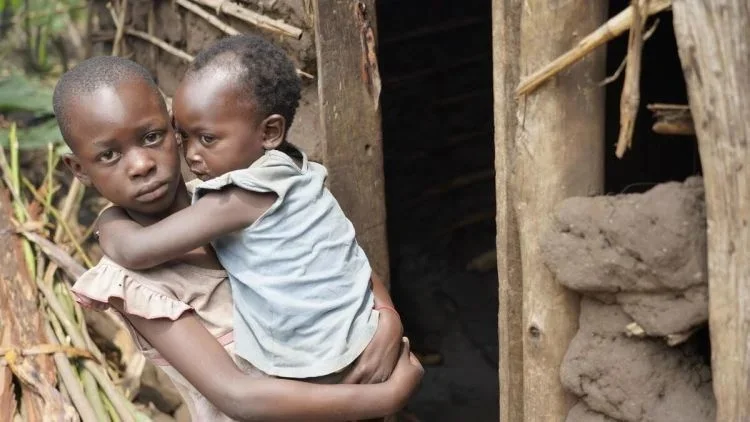
A startling new analysis has exposed a severe humanitarian emergency. Global child poverty now impacts over 400 million children worldwide. These young citizens are deprived of at least two daily essentials required for survival, such as adequate nutrition or sanitation.
This data serves as a critical warning. As climate instability rises and funding evaporates, the fight to protect children is faltering. Consequently, millions more risk falling through the cracks.
The Scale of Global Child Poverty
The situation is most critical in low- and middle-income nations. Approximately 417 million children—effectively 1 in 5—are severely deprived in at least two key areas.
The report measures this crisis through “multidimensional” factors rather than just income. It assesses six specific categories:
-
Education
-
Health
-
Housing
-
Nutrition
-
Sanitation
-
Water
Currently, 118 million children suffer from three or more of these deficits simultaneously. Furthermore, 17 million endure four or more.
Regional Struggles and Sanitation Failures
Sub-Saharan Africa and South Asia contain the highest concentrations of deprivation. For example, data from Chad indicates that 64 percent of children face two or more severe hardships.
Among the specific categories, sanitation remains the biggest failure.
-
Low-income countries: 65% of children lack toilet access.
-
Lower-middle-income countries: 26% face similar issues.
-
Upper-middle-income countries: 11% are affected.
This lack of hygiene drives disease, undermining physical health and long-term growth.
Economic Strain and Wealthy Nations
Previous progress is unfortunately reversing. Between 2013 and 2023, severe deprivation rates dropped. However, a “perfect storm” of conflict, debt, and funding cuts is now erasing those gains.
Surprisingly, high-income nations are not immune. Analysis of 37 wealthy countries reveals that 50 million children live in relative poverty. While Slovenia successfully reduced these numbers, nations like the UK, France, and Switzerland saw rates increase by over 20 percent.
A Roadmap for Solutions
Despite the grim statistics, ending global child poverty is possible. Tanzania achieved a massive reduction in poverty through government cash grants. Similarly, Bangladesh eradicated open defecation by investing in infrastructure.
To turn the tide, governments must take urgent action:
-
Prioritize Children: Make poverty reduction a national goal.
-
Protect Budgets: Integrate children’s needs into economic planning.
-
Direct Support: Provide cash transfers to vulnerable families.
-
Ensure Security: Guarantee decent work for parents.
________________________________________________