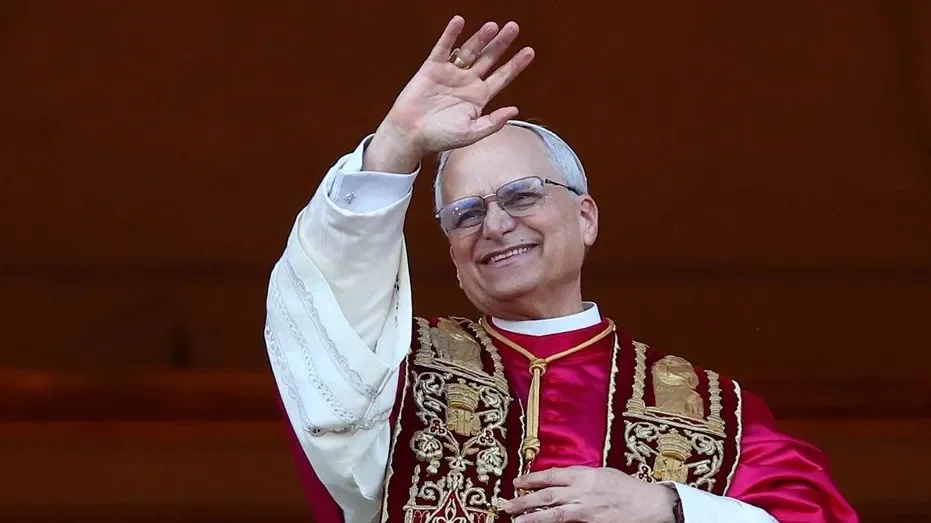
The leader of the Catholic Church has issued a solemn warning regarding the safety of believers worldwide. On Sunday, Pope Leo XIV publicly addressed the recurring attacks on Christians targeting communities and worship centers across the globe.
Using his official social media channels, the Pontiff called for immediate prayers and unity. He specifically identified Nigeria as a major flashpoint where believers face frequent and severe threats.
Vatican Identifies Danger Zones
In his reflection, Pope Leo XIV highlighted that discrimination and persecution are rising in several specific regions.
“In various parts of the world, Christians suffer discrimination and persecution,” the Pope stated. He listed the following nations as areas where attacks on Christians are frequently reported:
-
Nigeria
-
Bangladesh
-
Mozambique
-
Sudan
Furthermore, the religious leader concluded his message with a reminder of divine compassion. He affirmed that God desires peace among all His children.
The Pope also requested urgent prayers for families in the Kivu region of the Democratic Republic of the Congo (DRC). He noted that recent massacres in the area have claimed numerous civilian lives, urging believers to work together for the common good.
International Scrutiny on Nigeria
The Pontiff’s recent comments add weight to the intensifying international focus on Nigeria’s security crisis. The statement aligns with growing concerns regarding alleged religious targeting in the West African nation.
Recently, U.S. President Donald Trump designated Nigeria as a “Country of Particular Concern” (CPC). He cited allegations of a “Christian genocide” as the primary reason. Additionally, Trump warned that the U.S. might consider deploying troops if the killings of believers do not cease.
However, the Nigerian Federal Government has consistently denied these claims. Officials argue that the narrative of systematic religious persecution is false and misleading. They maintain that insecurity in the region affects all citizens, regardless of their faith.
Despite these denials, external pressure continues to mount. U.S. Congressman Riley Moore recently criticized President Bola Tinubu’s stance. Moore asserted that the reality on the ground sharply contradicts the Nigerian government’s public assurances.
________________________________________________