In a move that underscores pragmatic U.S. foreign policy, Syria’s current president, Ahmed al-Sharaa previously known as Abu Mohammed al-Jolani and designated a terrorist with a $10 million U.S. bounty visited the White House on Monday.
This marks the first time a Syrian head of state has entered the Oval Office since the country’s independence in 1946. The closed-door meeting highlights al-Sharaa’s dramatic transformation from militant figure to recognized leader, a shift observers link to evolving regional dynamics nearly a quarter-century after 9/11.
Hamas Reasserts Control in Post-Ceased Gaza
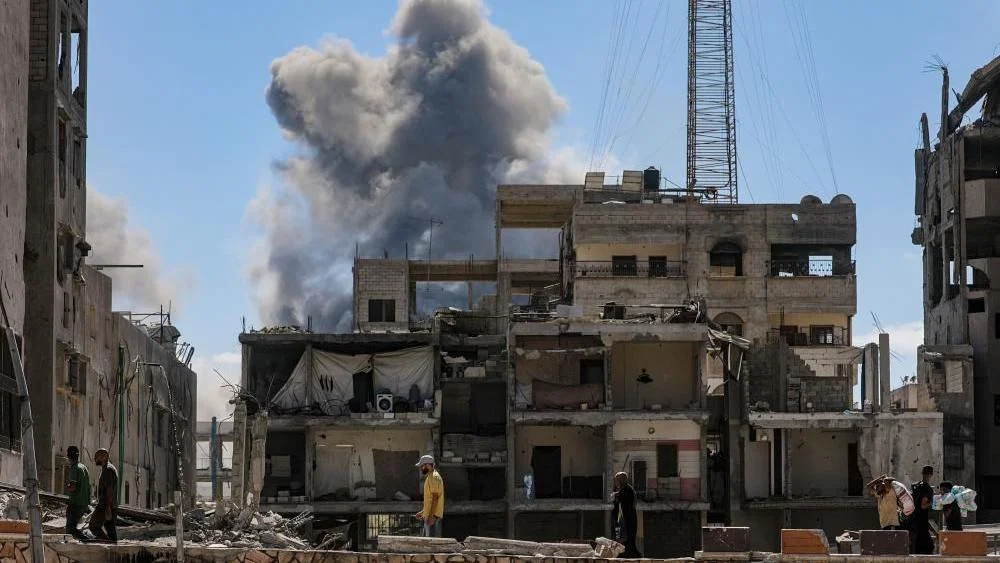
After last month’s ceasefire, Hamas has moved quickly to restore order in zones vacated by Israeli troops. Reports from Gaza residents describe public executions of individuals accused of collaboration, looting, or major crimes.
The group faces international pressure to relinquish weapons and administrative power, yet no consensus exists on a replacement authority.
Local sources say Hamas maintains tight oversight at entry points, imposing charges on certain commercial imports like fuel and tobacco. Merchants also face penalties for excessive pricing on essential items. A Hamas government spokesperson rejected these accusations, insisting no new taxes have been introduced and that officials are working to stabilize costs for residents.
Business owners note that limited supply keeps prices elevated, while shoppers describe chaotic markets where values fluctuate wildly. One resident compared the situation to a volatile trading floor, emphasizing widespread hardship as winter approaches with little income available to most families.
Stalled Peace Plan Raises Fears of Permanent Division
The U.S.-brokered agreement that ended active fighting on October 10 included hostage releases and outlined steps for Gaza’s future: creating an interim administration, bringing in international security teams, demilitarizing the area, and launching rebuilding projects.
Progress has slowed, however, and a practical split of the territory now seems likely. Israeli forces continue to hold substantial sections, while almost the entire population remains under Hamas administration the same arrangement in place since the group took full control from rival Palestinian factions in 2007.
Analysts warn that delays only strengthen Hamas’ position, sending a message that the organization remains indispensable. U.S. officials have stated clearly that Hamas has no place in future governance and that advances continue toward assembling the required international force.
Rival Palestinian factions push for influence in any new setup, but deep divisions persist. Israel opposes a return to pre-2007 arrangements, and mutual distrust between major groups complicates agreements on leadership structure.
In Israeli-controlled pockets, alternative local committees have emerged, challenging Hamas dominance. Meanwhile, the group has maintained public sector payrolls throughout the crisis using reserve funds, kept essential staff operational despite heavy losses, and filled key vacant positions.
As humanitarian conditions gradually improve with more aid deliveries, residents and experts agree the window for smooth political transition is narrowing. Without swift action on an alternative framework, Hamas appears poised to retain effective control indefinitely.