Malaria parasites are constantly adapting, but so are the medical professionals fighting them. A formidable research team in Gabon, led by Dr. Ghyslain Mombo-Ngoma at the Lambaréné Medical Research Centre, has unveiled a game-changing treatment.
They developed a single-dose formulation that successfully eliminates the parasites in 93% of patients. This streamlined approach provides the same powerful punch as the multi-day standard treatment, eliminating the need for a three-day regimen.
The New Resistance-Busting Combination
The researchers combined four existing and trusted anti-malarial compounds into one potent treatment:
- Sulfadoxine
- Pyrimethamine
- Artesunate
- Pyronaridine
This resulting mixture is designed to combat drug resistance, clearing infections quickly and proving as effective as existing, lengthier regimens. Dr. Mombo-Ngoma passionately urged immediate action, stating, “Malaria deaths are climbing, we can’t wait. Let’s max out what we already have.”
The Reality of Gabon’s Fight
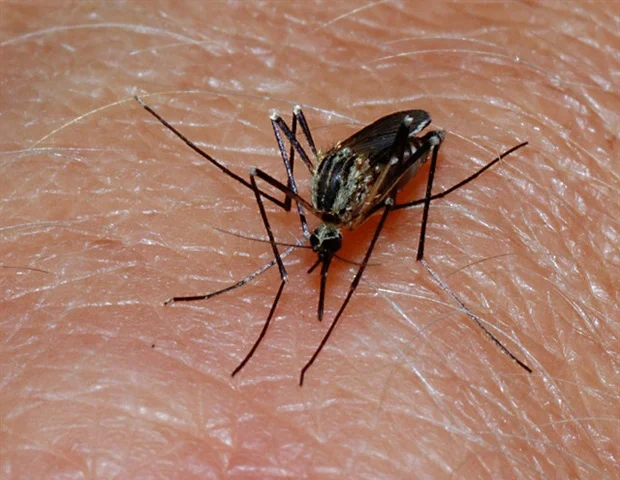
For citizens like Julicia Nfono in Libreville, malaria remains a constant menace. “Nets, clean water, we do it all. But mosquitoes? They always win,” she lamented.
Statistics from 2024 revealed the severity of the challenge, with over 154,000 cases recorded. Children under five years old suffer the highest infection rates. The program chief, Hugues Ronel Essanga Ngomo, officially characterized the situation as a “public health crisis.”
Why Simplicity Is a Game-Changer
Switching to a single-dose treatment offers several crucial advantages for effective disease management:
- Improved Adherence: Patients cannot forget Day 2 or Day 3 doses, ensuring complete treatment.
- Slowing Resistance: Smarter utilization of existing drugs helps extend their effectiveness against evolving resistance.
- Logistical Ease: The simple regimen is far easier for remote clinics, under-equipped facilities, and overworked parents across Africa.
This innovation does not introduce a new drug. Instead, it represents a smarter, more strategic deployment of already available medical tools.
What Happens Next?
The focus now shifts to wider application. The new formulation must be scaled up, subjected to further testing across broader populations, and then deployed to save lives.
Gabon is spearheading this therapeutic advance. The question is: Could this simple one-pill solution be the tipping point in the fight to control malaria’s deadly grip?
What’s your view? Is one pill the key to ruling out malaria? Comment