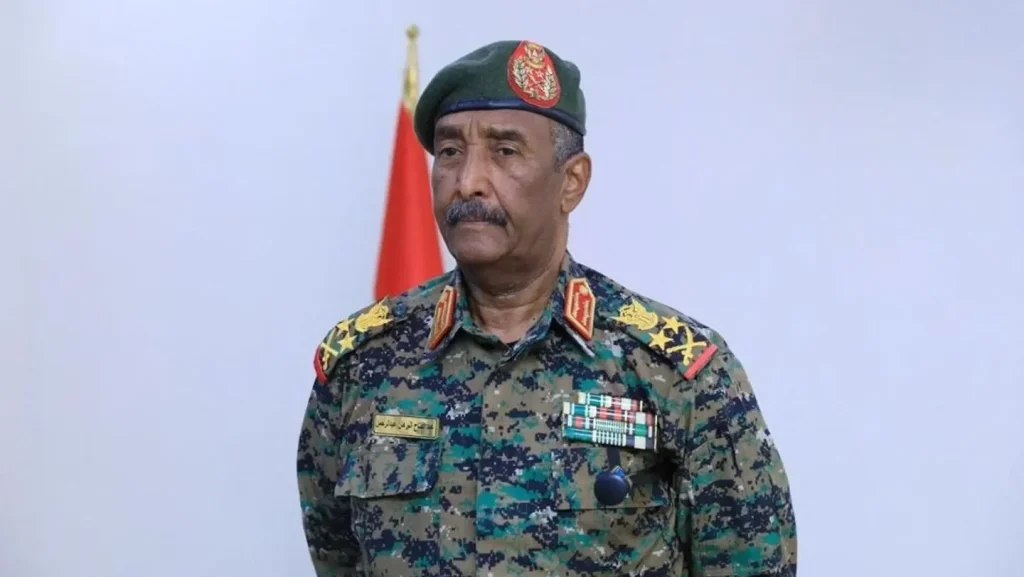
The world is watching as a desperate effort unfolds in Port Sudan. On Tuesday, the United Nations’ chief humanitarian coordinator, Tom Fletcher, sat down for a critical, high-level meeting. His counterpart was General Abdelfattah Al-Burhan, the leader of the Sudanese Armed Forces.
The purpose of this diplomatic engagement was singular: to unlock safe pathways for delivering vital, life-saving aid across the war-torn nation.
Following the discussions in Port Sudan, Fletcher offered a measured assessment. He characterized the talks as “constructive conversations.” The fundamental objective, he stressed, was to guarantee humanitarian organizations could operate seamlessly across the entire country.
He insisted aid delivery must be conducted “in a neutral, independent and impartial way.”
The Shadow of Catastrophe
This visit is part of Fletcher’s week-long mission dedicated to confronting a colossal humanitarian disaster. The persistent fighting between the national army and the paramilitary Rapid Support Forces (RSF) has dramatically worsened the crisis.
Fletcher affirmed the global community’s capacity and willingness to act. He stated clearly that the international humanitarian effort “stands ready to scale up and deliver life-saving support at the levels necessary.” He emphasized the massive need for assistance, which includes food, medicine, and critical medical support for “tens of millions of Sudanese people.”
His statements underscored a painful reality. There is an urgent gulf between the commitments made at diplomatic tables and the grim situation facing ordinary citizens. Millions currently endure mass displacement and the threat of famine on the ground