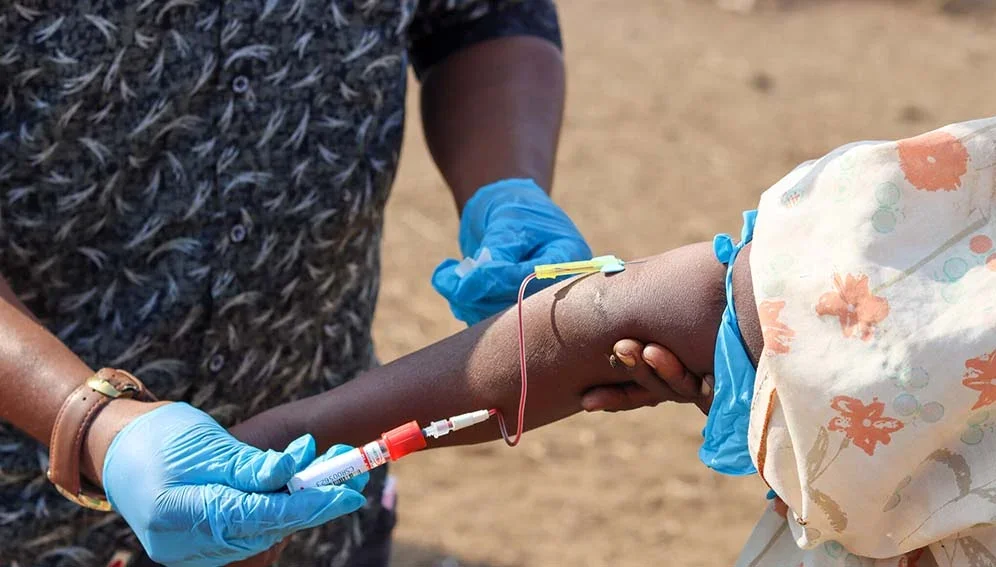
In the arid lands of West Africa, a silent but deadly epidemic has taken root. Between September 20 and October 30, a severe outbreak of Rift Valley Fever (RVF) swept across Mauritania and Senegal.
The World Health Organization confirmed tragic consequences on Wednesday: the virus killed 42 people and sickened over 400 more.
This devastating viral illness has not spared the region’s vital agricultural sector. Authorities verified a heavy toll on the livestock population, confirming that 200 animals in Mauritania and 176 in Senegal tested positive for the disease.
This dual crisis in both human and animal health poses an immediate threat to the region’s stability.
The Silent Spread: How RVF Threatens Communities
RVF is primarily classified as a disease of animals. It is typically carried by mosquitoes, and it chiefly affects domestic species, including sheep, goats, and cattle. However, the virus possesses the capacity to leap to humans.
This transfer often happens through direct contact with the bodily fluids or organs of an infected animal, particularly during handling or slaughter. Crucially, direct human-to-human transmission has never been confirmed.
For most individuals, the effects of RVF are mild. The infection commonly presents as a brief, flu-like illness that resolves within a week. Nevertheless, in a small fraction of severe cases, the disease can escalate dramatically into life-threatening conditions:
- Brain Inflammation: This complication, known as encephalitis, causes severe neurological symptoms.
- Hemorrhagic Syndrome: A grave form marked by significant bleeding and liver failure, which carries a very high risk of death.
Economic Ruin Follows the Infection
The financial costs of the virus extend far beyond public health expenditures. RVF delivers a crippling blow to agricultural communities. This is due to its devastating effect on livestock.
High rates of abortion in pregnant animals and increased mortality among infected herds are frequently recorded. This results in devastating economic losses for local farmers.
While scientists have successfully developed effective vaccines to protect animal populations, a significant gap remains: no vaccine has yet been formally licensed for use in humans. This reality severely hampers the public health defense during outbreaks.
A Coordinated Defense Against the Scourge
The current RVF outbreak in Mauritania and Senegal is considered unusual because of its intensity and widespread impact.
Although the disease is endemic to both countries, it tends to flare up dramatically during environmental conditions that favor mosquito breeding, such as periods of heavy rain and flooding.
Consequently, the severity of the crisis is driving an urgent necessity for enhanced cooperation. This effort, known as the “One Health” strategy, seeks collaboration across veterinary, health, and environmental sectors.
Officials emphasize the need for enhanced disease surveillance, strict controls on livestock movement, and targeted awareness campaigns to curb the deadly spread of the virus.
READ MORE: US Lawmaker Rejects Beijing: Don’t Lecture America on Foreign Policy