On October 2, 2025, the U.S. State Department rebuffed a warning from China’s top Hong Kong diplomat, who cautioned U.S. Consul General Julie Eadeh against meddling in the city’s affairs.
A U.S. official stated, “Our diplomats advance U.S. interests globally, including in Hong Kong, as is standard practice.”
China’s Statement
Cui Jianchun, China’s senior diplomat in Hong Kong, met Eadeh on September 30 and criticized her actions since taking office in August.
His statement urged her to avoid anti-China groups, refrain from destabilizing activities, and respect Hong Kong’s security cases.
Diplomatic Tensions
Cui outlined strict guidelines, including avoiding certain meetings and funding actions that could undermine Hong Kong’s stability. The statement reflects China’s sensitivity to foreign involvement in the city.
Past Controversy
In 2019, Eadeh, then a consulate political officer, faced criticism from Chinese media for meeting Hong Kong protest leaders.
A local outlet published her photo, prompting the U.S. to condemn China for leaking personal details, calling it a dangerous move.
Broader Context
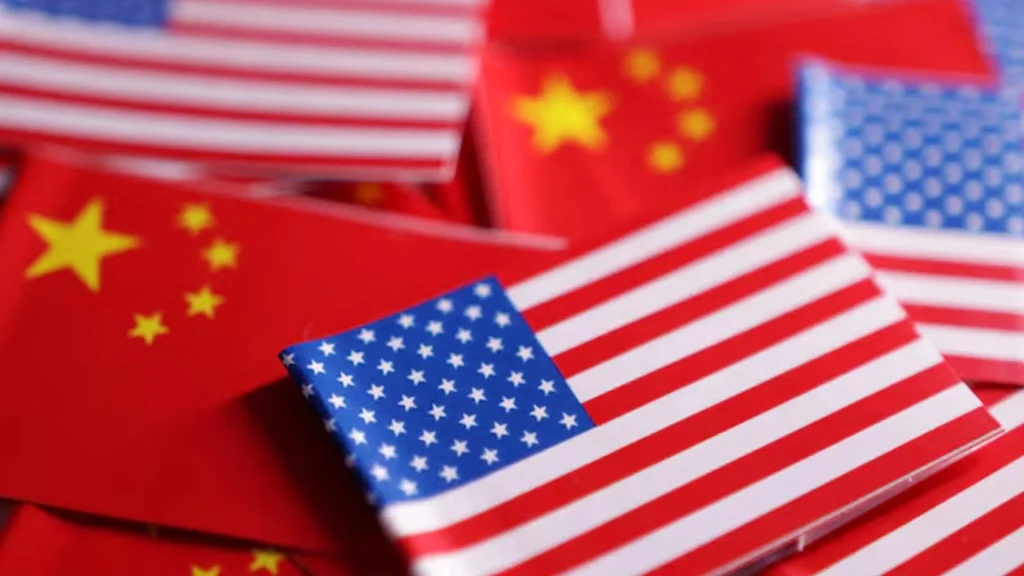
This dispute coincides with delicate U.S.-China relations, as both nations navigate trade talks. A planned meeting between Presidents Trump and Xi Jinping later in October adds to the stakes.
Why It Matters
The exchange highlights ongoing friction over Hong Kong’s autonomy and U.S. diplomatic roles, impacting bilateral ties.
What’s Next
In October 2025, the U.S. and China will likely continue addressing diplomatic boundaries as trade negotiations progress.