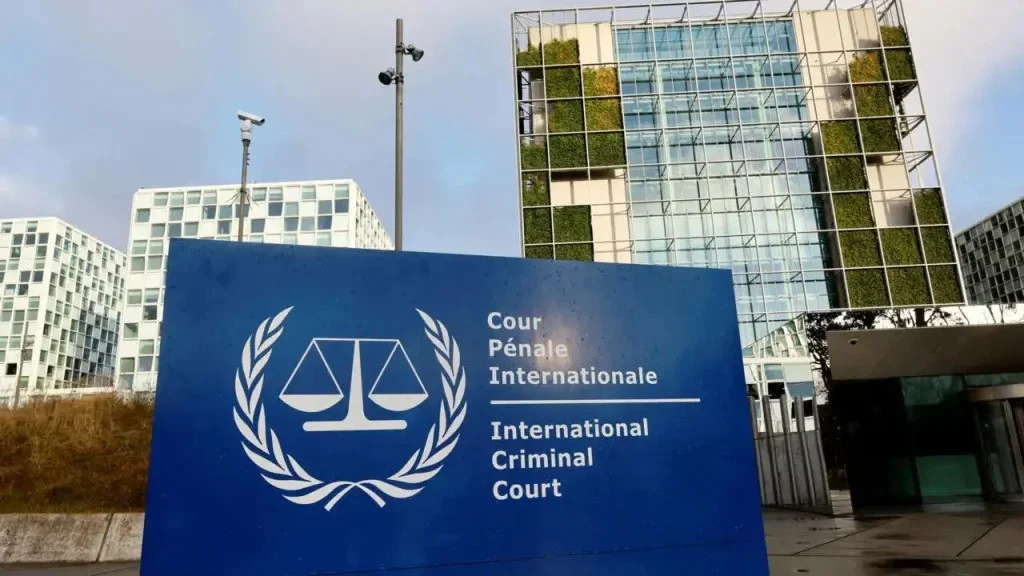
The Alliance of Sahel States (AES) — Burkina Faso, Niger, and Mali — has officially withdrawn from the International Criminal Court (ICC). The announcement, made on September 22, 2025, drew strong support from local populations who view the move as a stand for independence.
Local Reactions in Burkina Faso
In Ouagadougou, residents welcomed the decision with enthusiasm. Emmanuel Kafando described the ICC as biased, claiming it unfairly targets African leaders while sparing others. He called the withdrawal “long overdue.”
Another resident, Lionel Dolomweogo, echoed the sentiment, saying the move strengthens national sovereignty. “This is about taking back control of our justice, social, and economic systems,” he declared.
Regional and Political Context
The Alliance, formed in 2023, has steadily distanced itself from Western partners and deepened ties with countries like Russia. However, the three military-led states remain accused of human rights abuses during ongoing battles against jihadist groups linked to al-Qaeda and the Islamic State.
International Reactions and Concerns
Globally, the withdrawal has raised concerns about accountability. Observers warn that leaving the ICC may reduce avenues for prosecuting war crimes and abuses. Established in 2002, the ICC was designed to prosecute genocide, crimes against humanity, war crimes, and crimes of aggression.
Sovereignty Versus Justice
While citizens in Bamako, Niamey, and Ouagadougou celebrate the withdrawal as a reclaiming of autonomy, critics argue it could weaken protections for victims in the conflict-ridden Sahel. The debate highlights the tension between national sovereignty and international justice in one of Africa’s most unstable regions.