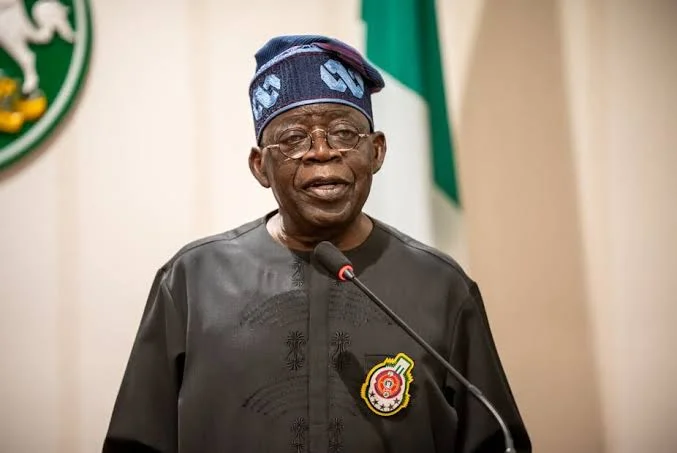
At the 18th Annual Banking and Finance Conference in Abuja on September 9, 2025, President Bola Tinubu, represented by Finance Minister Wale Edun, called for increased oversight of stablecoins and digital currencies in Nigeria.
He warned that their growing use outside traditional banking poses risks that need urgent attention.
Tracking Digital Currencies
Tinubu highlighted the global shift toward digital finance.
“Many people are not using banks for payments.
They use stablecoins and digital currencies,” he said.
He instructed banking and capital market regulators to closely monitor these trends.
This follows the Investment and Securities Act 2025, which classifies digital assets as securities, empowering the Securities and Exchange Commission (SEC) to regulate exchanges and providers under strict anti-money laundering rules.
Economic Reinvention
Tinubu stressed that Nigeria’s economy must move beyond resilience to reinvention. He pointed to digital tools, artificial intelligence, and open banking as key to boosting industry and creating jobs.
“Our GDP is growing, but manufacturing’s role is too small to create enough jobs,” he noted, urging innovation to improve efficiency.
Tax and Financial Reforms
The President highlighted new tax laws signed in June 2025, consolidating over 100 tax agencies into the Nigeria Revenue Service, effective January 2026.
Linking government accounts to the Central Bank since August 1 has improved financial transparency, boosting revenue.
“This gives us clear visibility of funds and will increase government income,” Tinubu said.
Focus on Financial Inclusion
Tinubu emphasized that financial inclusion should lead to jobs for young Nigerians. “Households need affordable financial services and good loans. Inclusion means quality jobs for our youth,” he said.
His administration aims to stabilize the economy, reduce poverty, and attract private investment.
Diaspora Remittances Goal
Central Bank Governor Yemi Cardoso announced plans to reach $1 billion in monthly diaspora remittances by 2026.
From $250 million monthly, inflows have risen to $600 million through bank outreach efforts.
“We’ve worked with banks to build trust with the diaspora,” Cardoso said.
Banking Sector Progress
CIBN President Pius Deji Olanrewaju praised the sector’s achievements. Since 2024, 16 banks raised over N2.5 trillion to strengthen their finances.
Domestic credit to businesses hit N82 trillion in 2025, supporting growth.
Non-oil exports grew to 236 products, earning $3.23 billion in the first half of 2025, up 19.6% from last year.
Looking Ahead
Tinubu’s push for digital currency oversight and economic reforms signals Nigeria’s drive to adapt to global trends.
With stronger regulations and financial inclusion, the country aims to create jobs and build a thriving economy.
BRICS Summit Tackles Global Trade Tensions Over Trump’s Tariffs