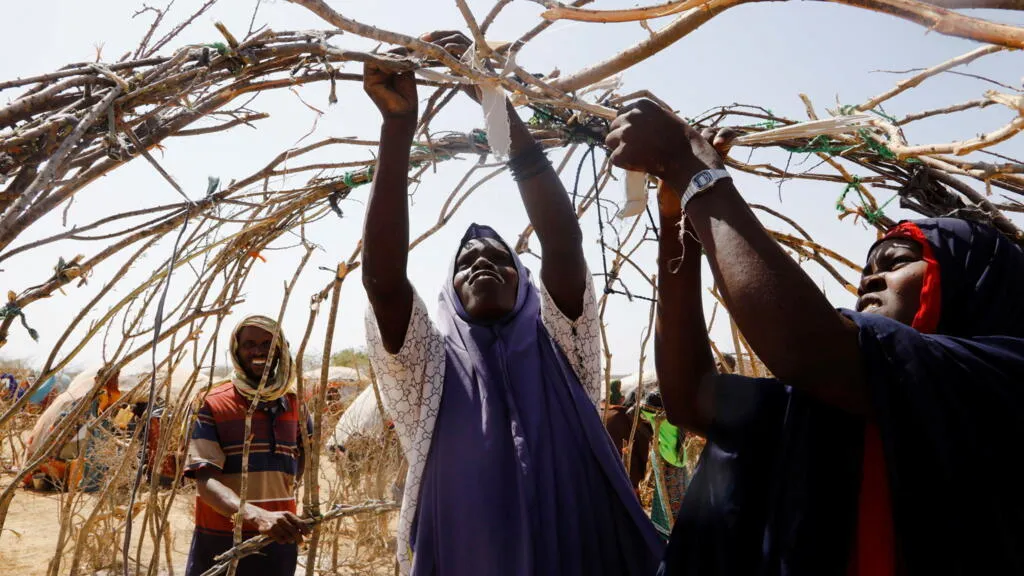
The United Nations has warned that six million Somalis—around 40% of the population—are on the brink of famine, as the country faces a deadly combination of drought, failed rains, and surging global food prices.
The warning came in a joint statement by the World Food Programme (WFP), the UN Food and Agriculture Organisation (FAO), UNICEF, and the Office for the Coordination of Humanitarian Affairs (OCHA).
A “Perfect Storm” of Crises
Somalia, one of the countries most vulnerable to climate change, is suffering the worst drought in the Horn of Africa since 1981, following the failure of the April–June 2022 rainy season.
The UN agencies described the situation as a “perfect storm” that could quickly escalate into famine. They also highlighted a critical funding gap, with Somalia competing for donor attention alongside other global emergencies such as the war in Ukraine.
Aid Shortfalls and Funding Gaps
So far, humanitarian agencies have reached nearly two million people in Somalia. However, only 4.4% of the €1.2 billion Humanitarian Response Plan for 2022 has been funded.
FAO representative in Somalia, Etienne Peterschmitt, said the situation is urgent but not irreversible:
“Funding received today can still prevent the worst, but it has to come at scale and it has to come very soon.”
The agencies are appealing for an “immediate injection of funds” to avoid a repeat of Somalia’s 2011 famine, in which 260,000 people—half of them children under six—died of hunger and related causes.
Children at Highest Risk
The crisis is particularly severe for children. The UN estimates that 1.4 million Somali children will suffer from acute malnutrition by the end of 2022, with one in four at risk of severe acute malnutrition.
Access to food and milk has been severely disrupted due to rising commodity prices and the widespread loss of livestock—an essential livelihood in rural communities.
A Race Against Time
The UN agencies are calling on the international community to respond swiftly, stressing that while the crisis is escalating, timely funding can still save lives.
Without urgent intervention, Somalia risks sliding into another catastrophic famine within months.