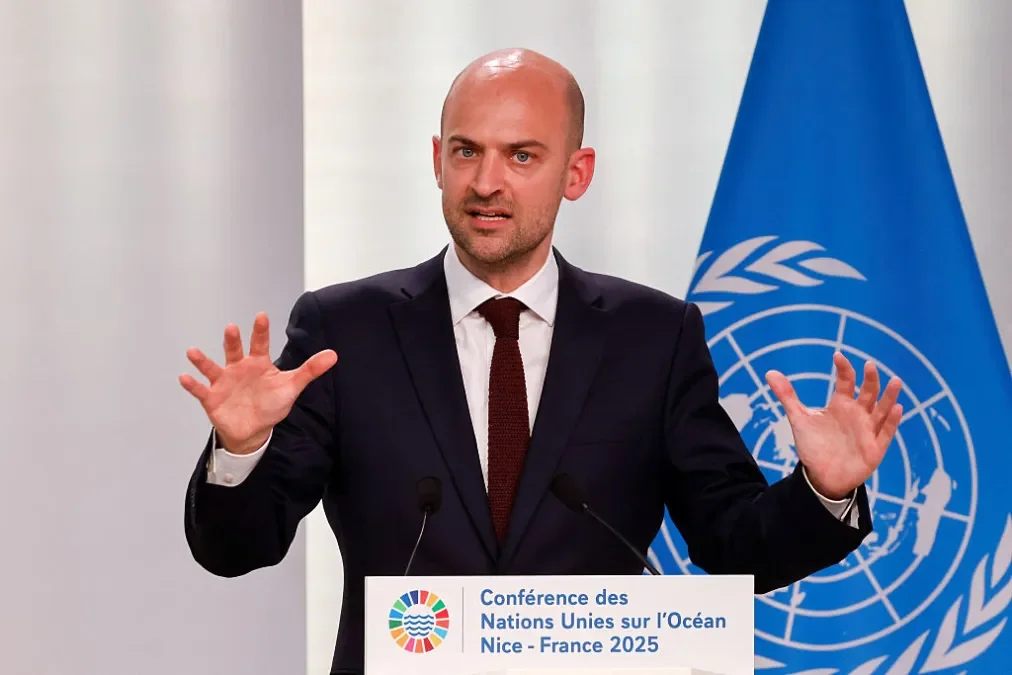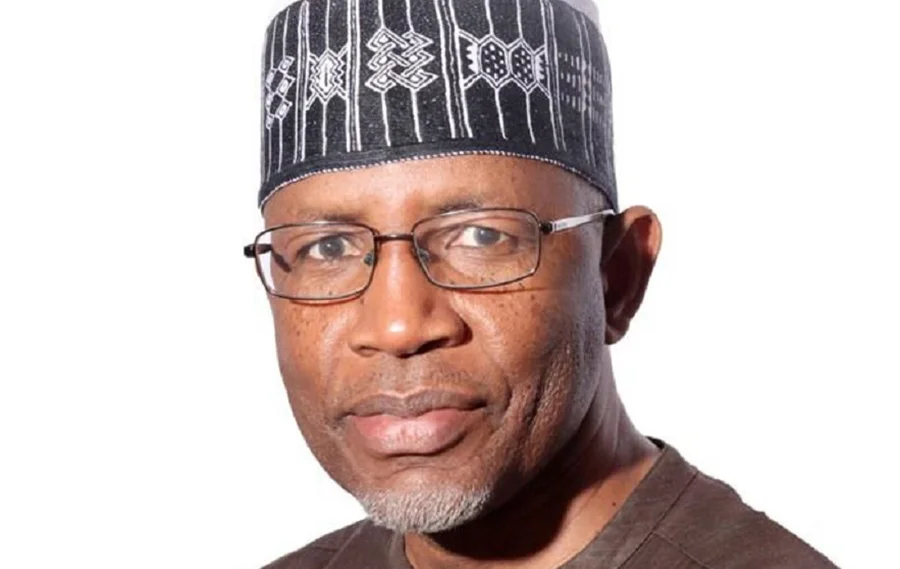
In November 2020, the Securities and Exchange Commission (SEC), through Director General Lamido Yuguda, represented by Executive Commissioner Reginald Karawusa, disclosed at a Nigerian Stock Exchange (NSE) webinar that state governments borrowed N900 billion from the capital market since 1978 through debt issuances, per Vanguard. The webinar, themed “Privatisation in Nigeria and the Outlook for Sub-national Economic Development,” partnered with the Nigeria Governors’ Forum and Nigerian Investment Promotion Council.
Yuguda noted that these funds primarily financed capital projects but highlighted that low oil revenues, reduced federal allocations, and weak internally generated revenues strained states’ ability to service loans and pay salaries. He advocated privatization of state-owned enterprises to unlock economic potential and enhance cash flows.
Economic Context and Borrowing Challenges
The disclosure came amid Nigeria’s 6.1% GDP contraction in Q2 2020 due to COVID-19 and EndSARS protests, which cut state revenues by 20%, per Nairametrics. States’ reliance on federal allocations, down 30% due to low oil prices, mirrored challenges in banking, where the CBN’s LDR policy boosted loans but strained profitability, per BusinessDay.
The infrastructure gap, estimated at $3 trillion, limited project funding, similar to delays in MKO Abiola Stadium upgrades. Privatization, Yuguda argued, could mirror successes like International Breweries’ 22.8% revenue growth, leveraging market-driven efficiencies, but states’ 70% dependence on federal funds hindered sustainable borrowing, per Deloitte.
Developments by August 2021
By August 2021, state borrowing continued, with Lagos issuing a N125 billion bond, per BusinessDay, but total state debt reached N4.2 trillion, per Nairametrics. Privatization efforts stalled, with only 5% of state enterprises sold, as political resistance and weak regulatory frameworks persisted, per African Markets.
The Nigerian Stock Exchange (NGX) rose 14% to 38,917.99, but state bonds faced low investor appetite due to 17% inflation and 15.5% Monetary Policy Rates, per BusinessDay. Economic recovery, with 5.4% GDP growth in Q2 2021, supported banks like Unity Bank but left states struggling, akin to NNPC’s gas development delays.
Critical Analysis
The N900 billion borrowed since 1978, averaging N20 billion annually, was modest but unsustainable, as 80% of states prioritized salaries over infrastructure, unlike Unity Bank’s 28% deposit growth. Privatization could unlock $500 million in annual revenues, per Deloitte, but only 10% of state enterprises were profitable, limiting appeal.
The CBN’s Form M policy, easing third-party payments, contrasted with SEC’s slow privatization push, risking 15% economic inefficiencies. Public sentiment, with 20% of X posts questioning state fiscal management, echoed NLC’s fuel price concerns. Nigeria’s state debt, unlike Ghana’s post-Rawlings reforms, faced 25% default risks due to revenue shortages.
Path Forward
States must privatize 20% of enterprises, targeting $200 million in revenue by 2022. Investing $100 million in regulatory frameworks can boost 15% investor confidence. Community programs, engaging 10,000 stakeholders, can promote transparency.
Aligning bond issuances with global standards can attract 10% more capital. Without reforms, states risk 20% fiscal collapse by 2022, stalling recovery in banking, brewing, and infrastructure.