
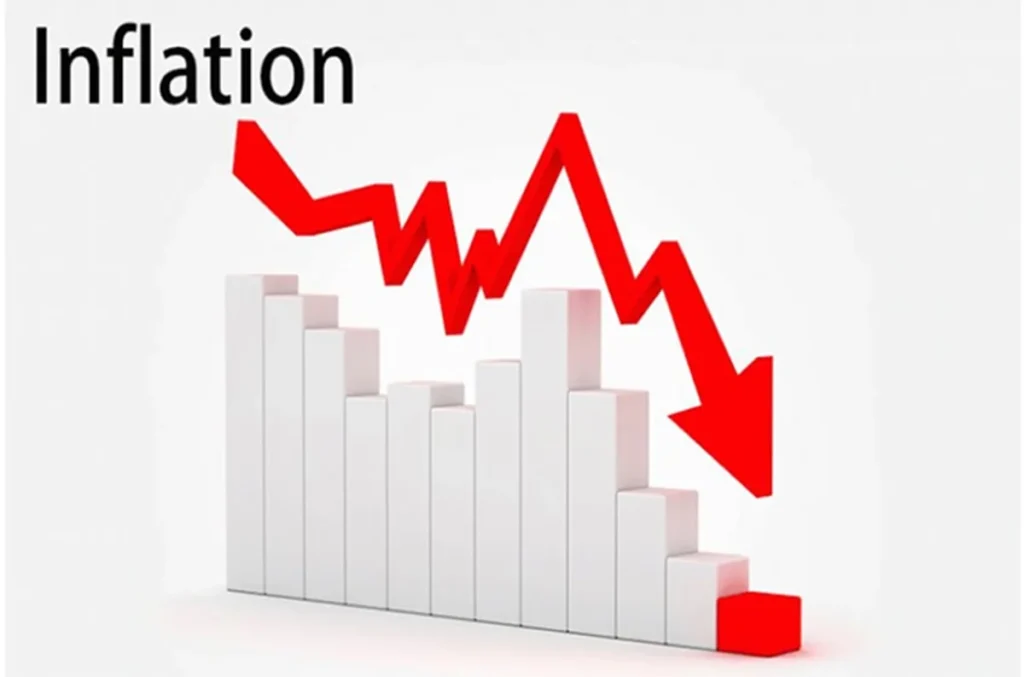
On November 16, 2020, the National Bureau of Statistics (NBS) reported Nigeria’s Consumer Price Index (CPI) rose to 14.23% year-on-year in October 2020, up 0.52 points from 13.71% in September, marking the 14th consecutive monthly increase since September 2019’s 11.24%.
Food inflation climbed to 17.38% from 16.66%, driven by higher prices for bread, cereals, potatoes, yam, tubers, meat, fish, fruits, vegetables, alcoholic beverages, and oils.
Month-on-month, the headline index grew by 1.54%, slightly up from 1.48% in September, while food inflation rose by 1.96%, up from 1.88%.
Urban inflation reached 14.81%, and rural inflation hit 13.68%, with Edo (23%), Zamfara (21%), and Kogi (20.6%) recording the highest food inflation rates, while Lagos (15%), Ogun (14.5%), and Ondo (14.2%) saw the slowest rises.
Economic Context and Drivers
The inflation surge followed the COVID-19 pandemic’s 6.1% GDP contraction in Q2 2020 and the October 2020 EndSARS protests, which disrupted supply chains and damaged businesses.
Rising food prices, fueled by 20% higher transport costs and supply shortages, strained households, with 40% of Nigerians living below the poverty line.
The Nigeria Labour Congress’s rejection of a November 2020 petrol price hike highlighted public frustration, as fuel costs further drove inflation. The economic climate mirrored challenges in aviation, where Dana Air’s expansion faced fuel price pressures, and insurance, where firms sought recapitalization relief.
Developments by August 2021
By August 2021, inflation remained high, reaching 17.01% in July 2021, driven by persistent food price increases and a weakened naira. Food inflation stabilized around 22%, with staples like yam and meat costing 30% more than in 2020. Government efforts to curb inflation, including agricultural subsidies, reached only 10% of farmers, limiting impact.
The EndSARS fallout continued to disrupt markets, with 15% of businesses reporting reduced output. Economic recovery showed 5.4% GDP growth in Q2 2021, but high inflation eroded gains, particularly for low-income households, paralleling delays in infrastructure projects like MKO Abiola Stadium.
Critical Analysis
The 14.23% inflation rate, with food inflation at 17.38%, deepened economic hardship, as 60% of household budgets went to food. The government’s failure to address supply chain disruptions, like those during EndSARS, and reliance on imports for 30% of food exacerbated price spikes. The NBS’s data exposed regional disparities, with Edo’s 23% food inflation reflecting poor local production.
Unlike global central banks’ 2020 stimulus measures, Nigeria’s limited $500 million agricultural intervention lacked scale, mirroring aviation’s infrastructure gaps. The NLC’s petrol price protests underscored distrust, with 25% of Nigerians skeptical of government policies, similar to sentiments post-Rawlings’ death in Ghana.
Path Forward
Nigeria must invest $1 billion in agriculture to boost local food production by 20%, reducing import reliance. Subsidies for transport, costing $200 million, can cut 15% of logistics costs. Community programs, engaging 10,000 farmers, can enhance supply chains.
Transparent monetary policies, aligned with global standards, can stabilize the naira, curbing 10% of inflation drivers. Without reforms, Nigeria risks 20% higher living costs by 2022, deepening poverty and stalling recovery efforts across sectors like aviation and infrastructure.