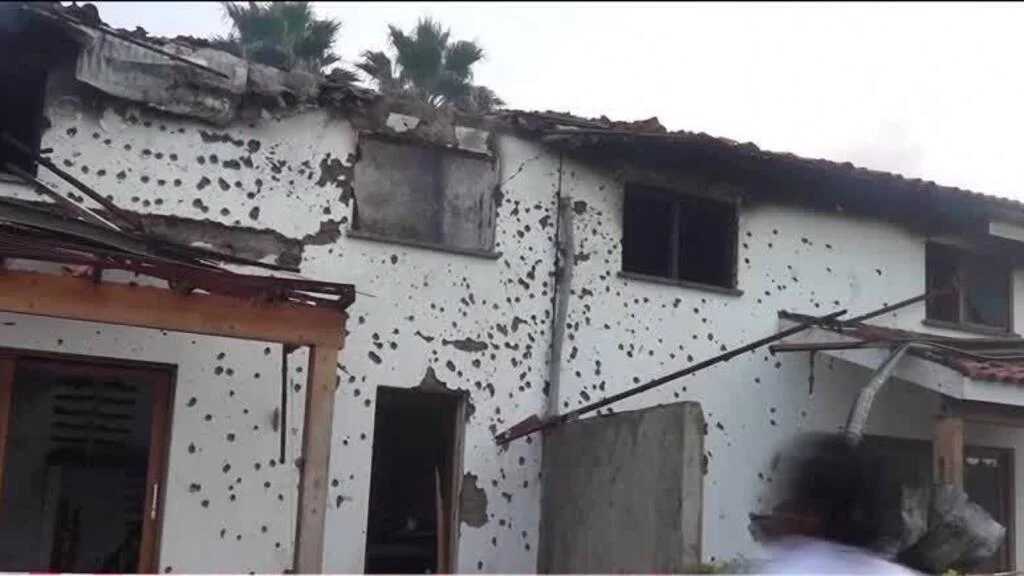
International outrage is mounting following a devastating drone attack that targeted residential neighborhoods in Goma, the provincial capital of North Kivu. The strike, which occurred overnight on Wednesday, resulted in the death of Karine Buisset, a dedicated French humanitarian worker with UNICEF. According to reports from the UN peacekeeping force, MONUSCO, at least two other civilians also lost their lives in the bombardment.
The Congolese government confirmed on Thursday, March 12, 2026, that it has launched a formal investigation into the origin and circumstances of the explosions. The strikes targeted areas currently under occupation, complicating the task of identifying the source of the drones.
A City Under Fire: The Reality in Goma
Witnesses in Goma reported a terrifying night characterized by the persistent buzzing of drones and the thunderous sound of bomb blasts. The strikes hit several buildings, including a residence housing staff from the European Union (EU) Civil Protection and Humanitarian Aid and various UN agencies.
The security situation in Goma has remained precarious since the M23 rebel group seized the city during a lightning offensive in early 2025. While the Congolese national army maintains positions several hundred kilometers away, they frequently deploy long-range drones to strike rebel targets. Conversely, security sources indicate that the M23 has also integrated explosive drones into their frontline operations, creating a lethal and confusing aerial battlefield.
Global Condemnation and Calls for Accountability
The killing of a humanitarian worker has triggered a wave of condemnation from world leaders and high-ranking international officials. The consensus remains clear: aid workers must never be targets of war.
Key Reactions from the International Community:
- French President Emmanuel Macron: Expressed the nation’s “support and sympathy” for Buisset’s family. He urged all parties to respect international humanitarian law and protect those committed to saving lives.
- UN Secretary-General Antonio Guterres: Voiced his “outrage” at the strike. His spokesperson, Stephane Dujarric, described Buisset as a “dedicated humanitarian who worked tirelessly for children and families impacted by conflict.”UNICEF Executive Director Catherine Russell: Stated she was “devastated and outraged” by the killing, emphasizing that civilians and aid workers must be protected at all costs.EU Commissioner Hadja Lahbib: Confirmed that the strike hit a residential building housing EU humanitarian staff, highlighting the extreme risk faced by international personnel on the ground.
The Investigation: Seeking Clarity Amid Conflict
The Congolese Ministry of Communication and Media issued a statement acknowledging the gravity of the incident. However, officials noted that because the strikes occurred in “occupied areas,” determining the exact launch point of the drones is a complex technical challenge.
The investigation will likely focus on:
- Forensic Analysis: Examining debris to determine the make and model of the drones used.
- Flight Path Data: Using satellite and local monitoring to trace the trajectory of the aerial vehicles.
- Conflict Dynamics: Assessing which party stood to gain from a strike in that specific residential corridor.
Conclusion: A Breach of International Law
The death of Karine Buisset serves as a grim reminder of the deteriorating security landscape in the eastern Democratic Republic of Congo. As drone warfare becomes a primary tool for both state and non-state actors, the distinction between military and civilian targets is becoming dangerously blurred.
For the people of Goma and the international aid community, this tragedy underscores an urgent need for a ceasefire and a renewed commitment to the protocols of international law. Without accountability, the “humanitarian space” required to save lives in North Kivu may disappear entirely.