
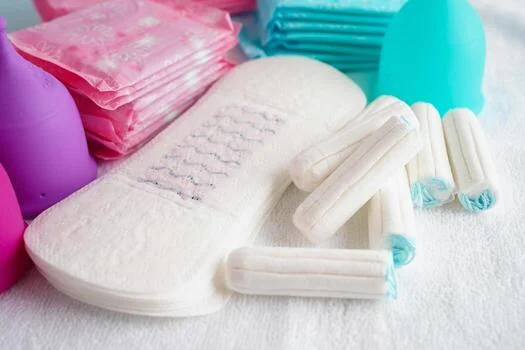
Senegal’s government has officially intervened to stop a massive consumer panic. Authorities have declared a controversial line of feminine hygiene products completely safe. This announcement attempts to permanently extinguish the fiery Senegal sanitary pad scandal.
However, public trust remains deeply fractured across the West African nation. A major Chinese manufacturing firm sits squarely at the center of this controversy. Softcare faced serious allegations regarding the hoarding of expired factory materials.
Now, the Ministry of Health is working overtime to calm a nervous public. Health Minister Ibrahima Sy addressed the nation on Thursday following a lengthy investigation. His statements effectively end the commercial embargo against the brand.
Yet, lingering questions about regulatory integrity refuse to fade. This is significant because menstrual hygiene is a fundamental cornerstone of women’s health. Reliable sanitary products are absolutely essential for safe daily life.
When a manufacturer allegedly compromises on raw materials, the stakes are incredibly high. Using substandard pads can lead to severe bacterial infections or contact dermatitis. Therefore, any hint of factory contamination triggers immediate, justified alarm among consumers.
Unpacking the Core of the Senegal Sanitary Pad Scandal
The controversy began late last year with a shocking factory raid. Senegal’s pharmaceutical regulator made a startling discovery at a Softcare production facility. Inspectors uncovered an enormous stockpile of degraded manufacturing components.
Specifically, officials found 1,300 kilograms of expired polyethylene film on the premises. This equates to roughly 2,865 pounds of completely unsuitable plastic material. Initially, rumors suggested this material was destined for both infant diapers and menstrual pads.
Polyethylene film is a highly critical component in modern sanitary pads. It acts as the vital waterproof backing that directly prevents leaks. When this specific synthetic material expires, it degrades rapidly and loses structural integrity.
The plastic can easily become brittle, porous, or fundamentally weak. Consequently, compromised film severely reduces the product’s effectiveness and overall hygiene standards. The sheer volume of expired material suggested a massive breakdown in quality control.
A Timeline of Bizarre Regulatory Chaos
The initial regulatory response to this discovery was swift and severe. Authorities immediately ordered Softcare to pull all its goods from the retail market. This aggressive withdrawal signaled a severe and imminent public health threat.
Consumers naturally panicked across the country. Store owners scrambled to clear their shelves of all Softcare inventory. However, the official narrative shifted drastically just eight days later.
The exact same regulatory body abruptly reversed its strict withdrawal order. Officials issued a brand new statement effectively clearing the foreign manufacturer.
The agency asserted that Softcare showed “expired raw materials were not incorporated into the production process”. This sudden flip-flop ignited massive public skepticism overnight.
It is highly unusual for health regulators to backtrack so quickly on severe directives. Citizens naturally questioned what truly happened behind closed doors during those eight days.
Bribery Allegations Fuel the Senegal Sanitary Pad Scandal
The government’s rapid policy reversal did not silence the original investigators. The field inspection team adamantly stood by their initial, damning findings. They bravely refused to bow to administrative pressure from their superiors.
Furthermore, the situation quickly escalated from a safety violation into alleged criminal corruption. The leader of the inspection team dropped a bombshell public accusation.
He explicitly claimed that Softcare agents attempted to bribe him during the factory investigation. This explosive allegation added a dark, sinister layer to the Senegal sanitary pad scandal.
Corporate corruption suddenly became the primary focal point of the public outcry. Softcare, meanwhile, aggressively fought back against the damning narrative.
Throughout the entire affair, Softcare has heavily denied any wrongdoing. The company maintains strict adherence to international manufacturing standards. Yet, without a transparent legal inquiry, a heavy cloud of suspicion remains.
The Health Ministry Delivers Its Official Verdict
On Thursday, the national government attempted to finalize the matter entirely. Health Minister Ibrahima Sy hosted a highly anticipated press conference in Dakar. He officially presented the final conclusions of “a thorough investigation”.
His primary objective was widespread public damage control. “the Ministry of Health wishes to reassure users and all consumers regarding the absence of health risks linked to the use of expired raw materials in the manufacture of Softcare products,” Sy stated.
The minister finally clarified the exact fate of the expired plastics. He confirmed the expired film was only “used in the manufacture of feminine hygiene products”. Crucially, he insisted these specific compromised pads never actually made it onto store shelves.
The ministry leaned heavily on technical data to justify its sweeping clearance. Sy reported that “based on the available scientific and technical data, no proven health risks for users have been identified concerning the current products”.
Broader Implications for West African Consumer Protection
Despite the medical clearance, the factory did not escape complete administrative censure. Minister Sy walked a very delicate political tightrope during his address. He admitted a severe operational failure occurred on the factory floor.
He added, however, that the “presence of expired materials in the Softcare factory’s production area constitutes a breach of regulations”.
This specific regulatory breach highlights a significant regional vulnerability across West Africa. Developing nations are currently experiencing a massive boom in foreign industrial investment.
Companies like Softcare provide essential manufacturing jobs and affordable consumer goods. It reduces reliance on expensive, fully finished imports.
However, local regulatory agencies often lack the massive resources needed for continuous oversight. Massive industrial factories can easily exploit these hidden regulatory blind spots.
The discovery of 2,865 pounds of expired material is not a minor clerical error. It represents a massive, systemic failure in internal quality control protocols.
Moving forward, Senegal must aggressively tighten its consumer protection laws. The health of Senegalese women cannot be left entirely to corporate self-regulation. Transparency and strict enforcement are the only ways to rebuild shattered consumer confidence.
______________________________________________
Egypt Economic Crisis: Sisi Declares Near-Emergency as Regional War Hammers Currency