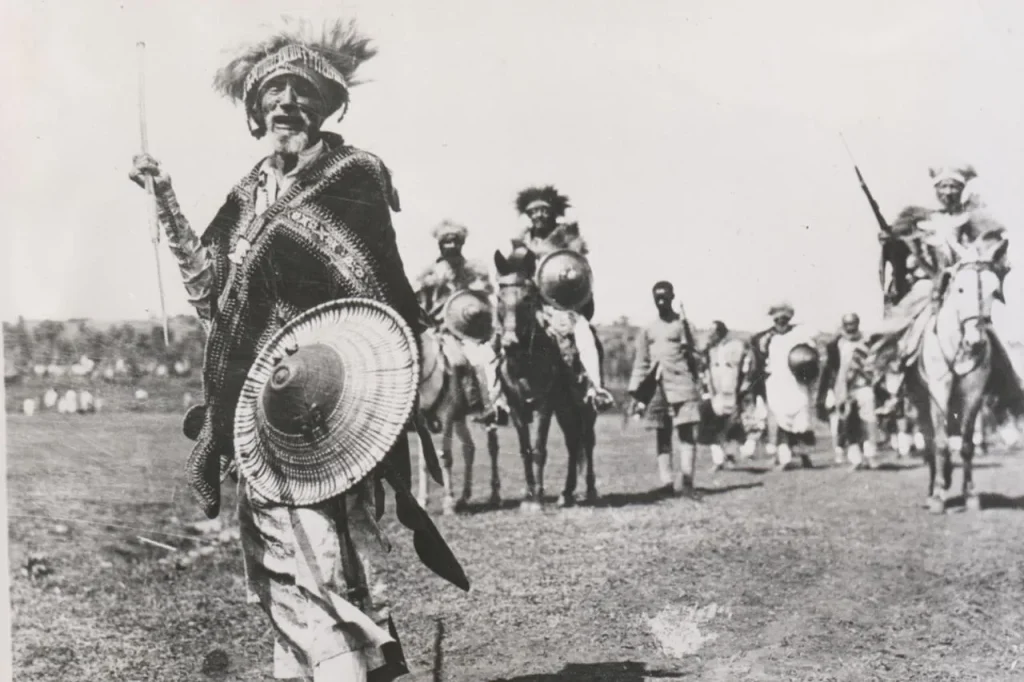
With grand military displays and national fervor, Ethiopia celebrated the 130th anniversary of the Battle of Adwa today. The historic 1896 victory over invading Italian forces remains a cornerstone of Ethiopian identity. It is widely celebrated as the triumph that prevented the nation from being colonized, making it a enduring symbol of African resistance and pride.
However, the 2026 celebrations carry a heavier political weight. As the government invokes the spirit of Adwa, it is doing so against a backdrop of increasing diplomatic and military friction with neighboring Eritrea. The central point of contention remains Ethiopia’s quest for sovereign access to the Red Sea.
The Legacy of Adwa: From History to Modern Policy
The Battle of Adwa was more than a military victory; it was a defining moment for the “Land of a Thousand Hills.” By defeating a major European power in the 19th century, Ethiopia secured its sovereignty. Today, the administration of Prime Minister Abiy Ahmed is drawing parallels between that historic struggle and the current push for maritime access.
For the government, securing a port is framed as a “modern-day Adwa.” This narrative suggests that just as the ancestors fought for territorial integrity, the current generation must strive for the economic independence that only a sea outlet can provide.
A Landlocked Nation’s Strategic Priority
Ethiopia became landlocked in 1993 after Eritrea gained independence following a decades-long war. This transition resulted in Ethiopia losing the vital Port of Assab, leaving the nation of nearly 130 million people dependent on neighboring Djibouti for international trade.
The Current Geopolitical Landscape:
- Economic Strain: Relying on foreign ports costs Ethiopia billions in annual fees.
- Strategic Vulnerability: Without its own naval presence, Ethiopia feels excluded from Red Sea security dialogues.
- The Eritrea Stance: Asmara views Ethiopia’s demands for sea access as a threat to its own territorial sovereignty.
Public Sentiment: Calls for Peace vs. National Necessity
The anniversary celebrations in Addis Ababa revealed a spectrum of public opinion. While patriotism was high, many citizens expressed deep concern over the possibility of a new conflict with Eritrea.
Zebenay Tadesse, a participant at the event, issued a stark warning against military escalation. “War results in the shedding of blood, the loss of lives, and the devastation of nations,” Tadesse noted. He urged both governments to pursue dialogue and explore agreements for the shared use of port resources rather than resorting to force.
Conversely, others see the issue as an essential step for the nation’s future. Mulatwa Wolde described the effort to restore maritime access as a “contemporary Adwa,” calling on Ethiopians to unite peacefully to ensure national prosperity. Similarly, veteran Beta Duguma emphasized that Ethiopia’s historical regional influence makes securing a Red Sea outlet a logical and necessary goal.
The Growing Rift Between Addis Ababa and Asmara
Prime Minister Abiy Ahmed has made the acquisition of a sea port a central pillar of his foreign policy. While he insists that Ethiopia seeks this access through peaceful negotiation, the rhetoric has alarmed regional neighbors and the international community.
Escalating Accusations:
- Destabilization Claims: Addis Ababa has recently accused the Eritrean government of supporting rebel groups within Ethiopia to create internal unrest.
- Military Buildup: Reports of increased military activity along the border have led to fears of a return to the “no war, no peace” stalemate that characterized the decades following the 1998-2000 border war.
Critics of the government’s approach warn that focusing so heavily on the Red Sea risks inflaming old wounds with Asmara. They argue that the focus should remain on internal stability and regional economic integration rather than territorial or maritime claims that could spark a conventional war.
Conclusion: A Symbol of Unity or a Catalyst for Conflict?
The 130th anniversary of the Battle of Adwa serves as a reminder of Ethiopia’s resilience. Yet, the same pride that fueled the 1896 victory is now being channeled into a complex geopolitical struggle. As the nation remembers its past, its eyes are firmly fixed on the horizon of the Red Sea.
Whether the spirit of Adwa will lead to a new era of Ethiopian prosperity or a tragic return to regional conflict remains the defining question for the Horn of Africa in 2026. For now, the parades have ended, but the strategic maneuvers continue.
READ ALSO: The Geopolitical Clash Fueling US-Nigeria Religious Freedom Tensions