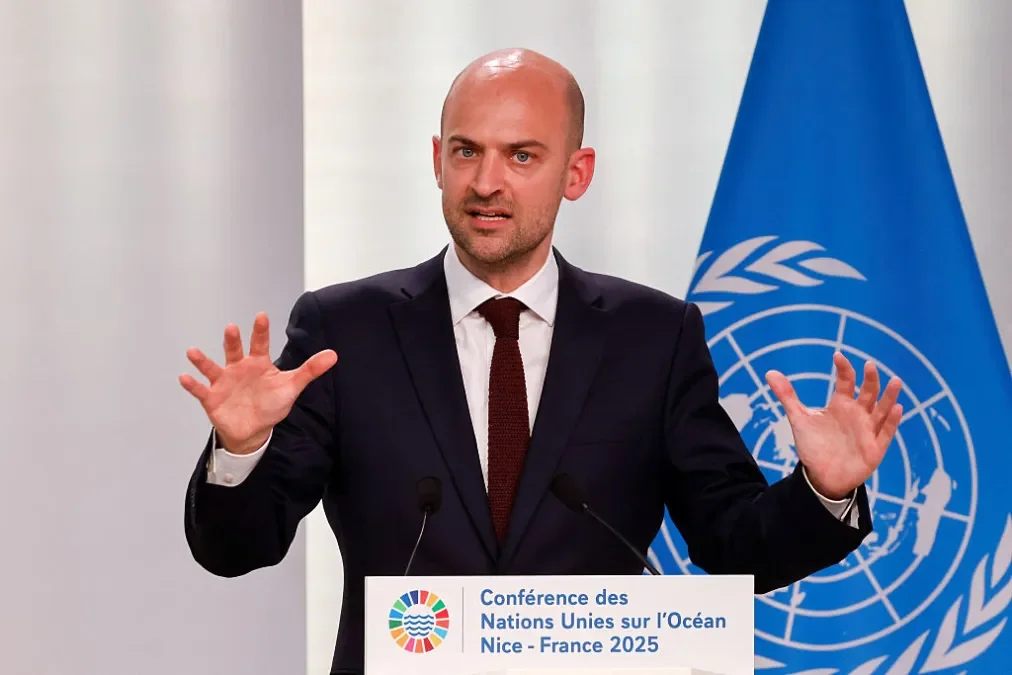
The era of unconditional medical philanthropy appears to be fracturing. A sweeping geopolitical realignment is currently unfolding across the African continent. Major nations are taking an unprecedented stand against Western superpowers by actively rejecting billions of dollars in medical funding. Ultimately, the reason involves controversial new strings attached to these life-saving funds.
Delivery of US health aid in Africa is facing severe, organized backlash. Western financial support is increasingly tied to aggressive resource extraction and invasive data harvesting. Consequently, countries like Zambia, Zimbabwe, and Kenya are drawing a hard line. These governments are prioritizing national sovereignty over crucial medical subsidies.
The Hidden Price of US Health Aid in Africa
Historically, American medical investments abroad were viewed through a strictly humanitarian lens. Programs targeting infectious diseases have saved countless lives over the decades. However, the modern geopolitical landscape is rapidly shifting. Global superpowers are locked in a fierce competition for critical resources.
This modern scramble is fundamentally altering international assistance. Supplying US health aid in Africa is no longer a simple act of charity. Instead, it has evolved into a complex, transactional tool for diplomatic leverage. Washington is increasingly linking public health funding to strategic economic interests.
Such a shift forces developing nations into impossible choices. Leaders must weigh the immediate survival of their citizens against long-term national autonomy. Furthermore, this dynamic threatens to unravel decades of progress in combating disease.
Zambia’s Billion-Dollar Dilemma: Copper Over Clinics?
The most glaring example of this new diplomatic strategy is occurring in Zambia. Recently, the southern African nation halted a massive $1 billion funding agreement. This proposed deal was explicitly designed to combat rampant HIV/AIDS and malaria. Yet, negotiations abruptly stalled.
American negotiators attempted to link the critical medical funding to a “bilateral compact.” This specific clause demanded preferential access to Zambia’s vast mineral reserves. Specifically, diplomats targeted the country’s rich deposits of copper and cobalt.
These critical minerals are the absolute bedrock of the global green energy transition. They are essential for manufacturing electric vehicle batteries and advanced electronics. By tying malaria treatments to mineral rights, Washington sparked fierce outrage. Health advocates argue this fundamentally corrupts the purpose of the aid.
“This deal would slash US funding to life-saving programs while prioritizing mining corporations over Zambians with HIV,” said Health GAP’s Asia Russell.
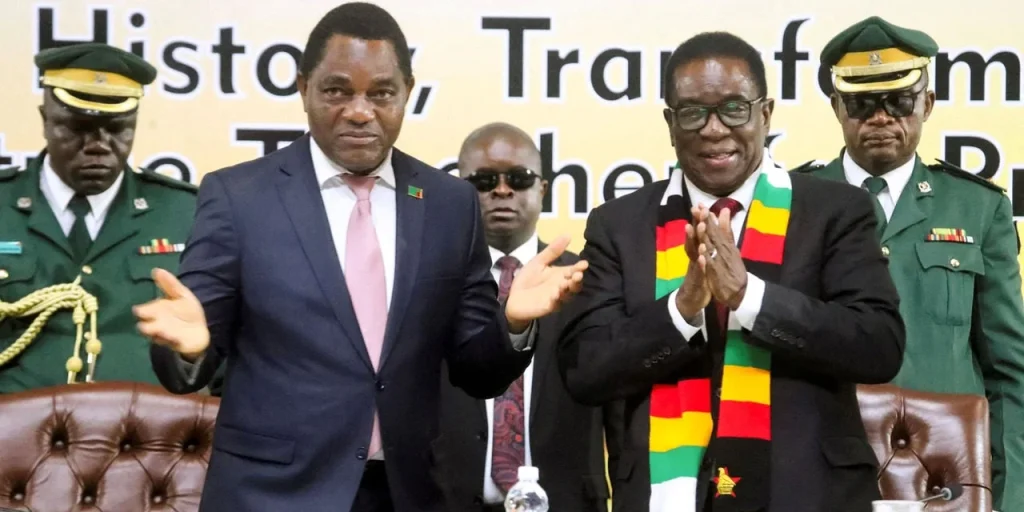
The Zambian government refused to capitulate to these terms. Officials confirmed the administration is actively requesting revisions to the controversial memorandum. Furthermore, the nation’s leadership is framing this crisis as a catalyst for independence. President Hakainde Hichilema views these potential aid cuts through a lens of self-reliance. He stated this is an opportunity to “take care of our own affairs.”
Data Sovereignty and Zimbabwe’s Pushback Against US Health Aid in Africa
Meanwhile, a different but equally alarming battle is unfolding in neighboring Zimbabwe. Harare formally rejected a substantial $367 million health agreement. The conflict here centers on biological information rather than subterranean minerals.
Foreign negotiators inserted clauses requiring instant access to local pathogen data. Crucially, these terms completely lacked any benefit-sharing guarantees for the host nation. A leaked letter from Zimbabwe’s Foreign Affairs ministry exposed the government’s intense frustration.
Ministry officials described the proposed terms as “clearly lopsided.” They argued the conditions severely compromised national sovereignty. This standoff carries devastating potential consequences for public health. The Zimbabwe College of Public Health Physicians immediately urged diplomatic re-engagement.
Medical professionals issued a dire warning regarding the vulnerable population. Essential HIV treatment for roughly 1.2 million people could be at imminent risk. Historically, Western pharmaceutical companies have extracted African biological data without providing affordable medicine in return. Consequently, Zimbabwe’s refusal reflects a deep, historically rooted mistrust.
A Continental Shift Supported by the Africa CDC
Pushback against these conditional treaties is not isolated to Southern Africa. East Africa is also raising significant legal and ethical objections. Kenya’s High Court recently intervened in a similar international agreement. The judiciary officially froze the implementation of the deal.
This dramatic legal action stems from profound national privacy concerns. Together, these coordinated rejections signal a monumental shift in African diplomacy. The core conflicts fundamentally alter how international partnerships will operate:
-
Resource Leveraging: Attempting to trade HIV medication funding for exclusive cobalt and copper mining rights.
-
Data Exploitation: Demanding unregulated, instant access to sovereign pathogen data without commercial kickbacks.
-
Privacy Violations: Triggering constitutional concerns over the handling of citizen medical information.
Leaders are no longer willing to trade sovereign assets for medical survival. This movement has the full, vocal backing of the continent’s top health authorities. The Africa CDC is throwing its considerable institutional weight behind these renegotiations.
Dr. Jean Kaseya, the Director-General of the Africa CDC, delivered a powerful endorsement of this resistance.
“We want to own our data in Africa,” he declared.
Emphasizing the continent’s right to self-determination, he added, “We want to own our future.”
He then concluded with a firm boundary: “We cannot accept not owning our data.”
The Geopolitical Fallout and Future Risks
The implications of these stalled agreements extend far beyond local clinics. Restructuring US health aid in Africa directly impacts a broader global power struggle. Washington is desperately attempting to counter foreign economic footprints across the continent. Competitors have secured vast mining monopolies through extensive infrastructure investments.
In response, American strategists appear to be weaponizing health funding to claw back market share. However, this heavy-handed approach is clearly backfiring. By attaching extortionate conditions to humanitarian aid, Western powers risk alienating key strategic partners. African nations possess unmatched leverage in the twenty-first century.
Geographically, they hold the world’s largest reserves of untapped critical minerals. Additionally, the continent represents the fastest-growing demographic market globally. If foreign powers continue to prioritize resource extraction over genuine partnership, they will lose diplomatic ground.
More importantly, millions of vulnerable patients will become collateral damage in a boardroom war. The path forward requires a return to equitable, transparent diplomacy. Global health must remain a shared human imperative, not a bargaining chip for raw materials.
____________________________________________________
The Geopolitical Clash Fueling US-Nigeria Religious Freedom Tensions