For Ahmed El Habachi, a 37-year-old plasterer from northwestern Morocco, the holy month of Ramadan has always been a symphony of shared laughter, deep spiritual connection, and the comforting aroma of harira soup during family feasts. In years past, the sunset call to prayer signaled a time of warmth and reunion. This year, however, the melody is gone.
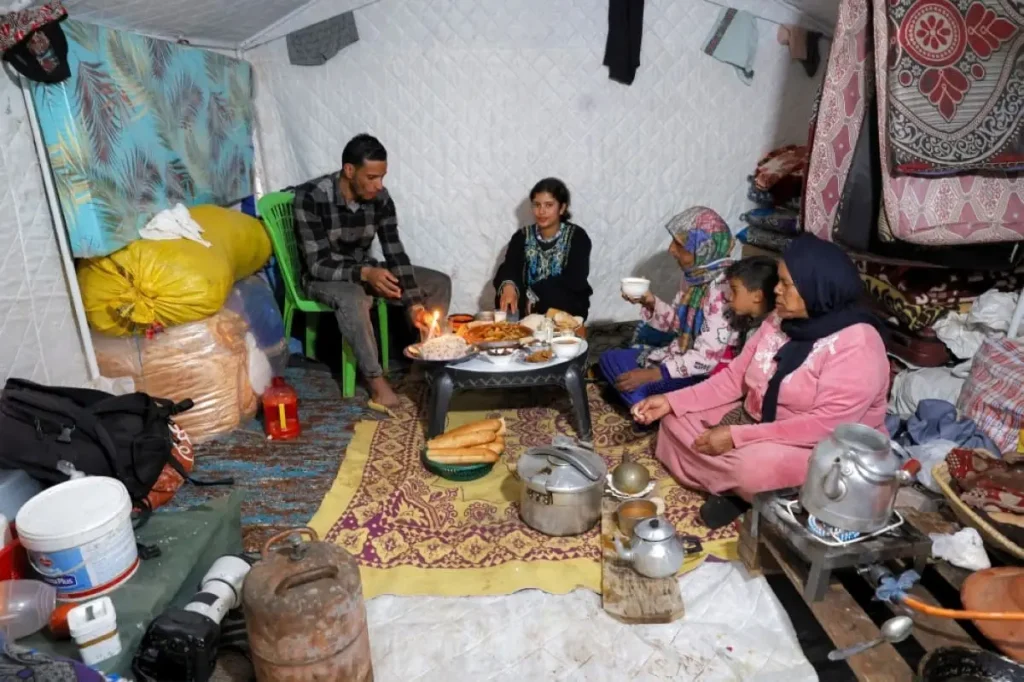
Instead of a dining table surrounded by loved ones, Ahmed breaks his fast on a weathered mat inside a temporary tent. The festive decor of his home has been replaced by the grim sight of flood debris and the damp smell of stagnant water. “I’m making do until this crisis passes and we can go back home,” he says, his voice reflecting a mix of fatigue and quiet determination.
Ahmed’s story is not an isolated one. He is among the thousands of Moroccans currently displaced after a relentless series of climate emergencies struck the northwestern regions between December 2025 and February 2026. This period of extreme weather has not only damaged infrastructure but has fundamentally altered the observance of the most sacred month in the Islamic calendar.
A Season of Unprecedented Climate Stress
The scale of the disaster exposed the acute vulnerability of Morocco’s urban centers to flash flooding. Between late 2025 and early 2026, two catastrophic weather fronts battered the coast and inland valleys. Major river basins, overextended by record-breaking rainfall, reached their breaking points, sending torrents of water into residential neighborhoods.
For many families, the timing could not have been more difficult. Ramadan is traditionally a month of stability, reflection, and community. However, for those pushed into displacement camps, the physical struggle for survival has overshadowed the spiritual rhythm of the fast.
“Living Moment by Moment”: The Loss of Ritual
In Islamic tradition, the period after the Iftar (the meal to break the fast) is just as significant as the fast itself. Usually, streets are filled with life as neighbors visit one another or head to the local mosque for Taraweeh prayers.
Abdelmajid Lekihel, a 49-year-old street vendor, describes a profound sense of loss. For him, the floods have stripped the holy month of its soul. “We have a tradition during Ramadan after breaking the fast,” he explains. “We go to the mosque or to cafés after the prayer to meet up with our loved ones.”
Today, that communal joy feels like a distant memory. The infrastructure in his neighborhood remains crippled. “With these difficult days, we’re living from day to day, moment by moment,” Lekihel says. “For example, even just going to get some hot water is difficult for us.” The simplest tasks boiling water for tea or finding a clean space for prayer—have become monumental hurdles.
The Shadow of Fear: “We Do Not Sleep”
Beyond the immediate loss of property and tradition lies a deeper, psychological wound. For those whose houses are still standing but located near swollen waterways, every rainfall brings a surge of panic.
Mansour Amrani, a 59-year-old security guard, lives in a state of constant vigilance. His family remains traumatized by the rising waters that nearly claimed their home earlier this year. “We do not sleep,” Amrani says bluntly. “We are afraid the house will collapse on our heads and on our children.”
Amrani’s anxiety is shared by hundreds of families living in the shadow of damaged hillsides or saturated riverbanks. While some have found safety in high-ground government shelters, many feel trapped between the danger of their homes and the uncertainty of the camps. “We do not sleep peacefully like others who have nice houses, far from the river,” he adds.
Government Response and the Road to Recovery
In the wake of the floods, the Moroccan government has mobilized a significant administrative response. Following High Royal Instructions issued by King Mohammed VI, local authorities have moved quickly to document the extent of the devastation.
Officials have spent the last several weeks visiting affected areas, recording names, photographing structural damage, and conducting preliminary safety assessments. The goal is to implement a comprehensive emergency support and reconstruction program.
The Reconstruction Plan Key Objectives:
- Direct Financial Aid: Providing immediate subsidies to families for food and temporary lodging.
- Structural Rehabilitation: Repairing damaged homes and reinforced river defenses to prevent future breaches.
- Infrastructure Overhaul: Modernizing urban drainage systems to handle “unusual weather events” linked to climate change.
An Uncertain Future for Flood Survivors
Despite the announcement of these programs, the reality on the ground remains slow-moving for people like Ahmed El Habachi. When the floods first forced him from his village in January, he believed the displacement would last a week at most.
Months later, the holiday of Ramadan is passing while he is still under canvas. The transition from “emergency” to “recovery” is a long one, and for those living in tents, every day feels like a year. The communal spirit that defines Ramadan evenings has, for now, been replaced by a quiet, individual endurance.
The psychological toll of the 2025-2026 floods will likely linger long after the water recedes. For the survivors in northwestern Morocco, this Ramadan is not just a test of faith, but a testament to their resilience in the face of a changing and unpredictable climate
READ ALSO; Tragedy at Kimberly Diamond Mine: Five Workers Feared Dead After Mudslide