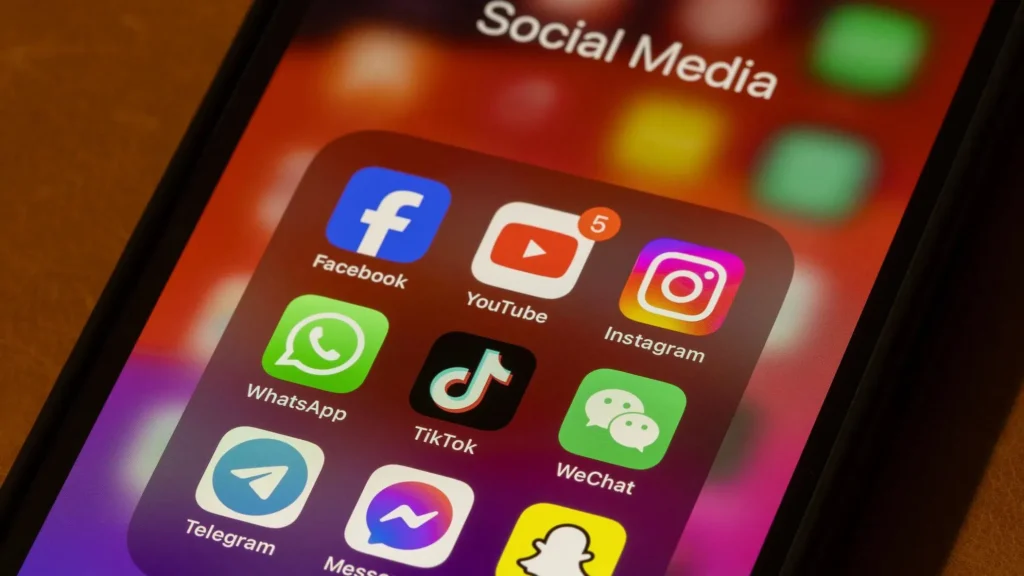
The Gabonese government officially suspended access to social media platforms this Wednesday. This move has impacted tens of thousands of citizens and effectively severed the primary online connection for the nation’s youth and professional sectors. Authorities have defended the decision as a necessary measure to protect social cohesion, ensure political stability, and maintain national security.
However, the ban has sparked an intense debate regarding the role of digital media in modern governance. Speaking in an exclusive interview on Friday, Marie-Noelle Ada Meyo suggested that this period of restriction could serve as a turning point for the nation.
“This measure may be an opportunity for the Gabonese authorities to rethink how to manage digital media,” Meyo noted. She raised a critical question: “How do we want social media to be involved in our daily lives in Gabon today?”
A Climate of Growing Industrial Tension
The decision to restrict digital access did not happen in a vacuum. Since late 2025, Gabon has grappled with significant internal friction. Multiple branches of the civil service have engaged in prolonged strikes, demanding better working conditions and budgetary reforms.
The mobilization has been particularly potent among educators. Recently, these movements have begun to affect other essential sectors, including healthcare and higher education. Critics of the blackout argue that the suspension is a strategic attempt to silence dissent. They believe it prevents strike organizers from coordinating their efforts.
Government Response and the 2026 Budget
Despite the digital crackdown, the government maintains that it is working to address the root causes of the unrest. Marie-Noelle Ada Meyo pointed out that the administration is mobilizing resources to fulfill the requests of striking teachers.
According to Meyo, the 2026 Finance Bill includes provisions to create 4,000 new budgetary positions. This initiative aims to resolve the long-standing grievances of the education sector.
“There is talk of these positions being added to other actions taken to respond favorably to teachers,” Meyo explained. She admitted that while the demands are “entirely legitimate,” they result from systemic issues that did not originate under the current administration.
The Surge in Digital Defiance: VPN Demand Soars
The Gabonese public is seeking alternative routes to stay connected. Since the lockdown began, the demand for Virtual Private Networks (VPNs) has skyrocketed across the country.
Recent industry data shows a massive spike in user activity. Demand for VPN services in Gabon increased by a staggering 387% within just 48 hours of the block. This surge suggests a tech-savvy population is resisting the digital communications lockdown.
Key Reasons for the VPN Surge:
- Bypassing Censorship: Accessing blocked platforms like WhatsApp, X (Twitter), and Facebook.
- Economic Necessity: Supporting small businesses that rely on social media for marketing.
- Information Access: Staying informed about ongoing strikes and government updates.
Conclusion: The Future of Gabon’s Digital Landscape
The current blackout serves as a high-stakes test for the Gabonese government. While authorities aim to preserve order, the restriction of digital rights has drawn international scrutiny.
The outcome of the 2026 Finance Bill and ongoing negotiations will likely determine when the digital gates reopen. As strikes spread to health and education centers, the government faces a delicate balance. It must respond to economic demands while managing a restless digital public.
READ ALSO: France Clarifies Military Presence in DRC Amid Troop Deployment Rumors