The arrival of the holy month of Ramadan in 2026 has been marked by a profound sense of contrast between traditional spiritual observance and the harsh realities of a post-conflict landscape. I
n the shadow of a ceasefire that began in October 2025, tens of thousands of worshippers gathered in Jerusalem’s Old City, while families in Gaza City observed the month amid the ruins of their former lives.
Jerusalem: Tight Security and Restricted Access
In Jerusalem, the first Friday of Ramadan saw an estimated 80,000 worshippers gather at the Al-Aqsa Mosque compound. While the atmosphere was largely peaceful, it was defined by an unprecedented security presence. The Israeli police deployed more than 3,000 officers across the city, maintaining a high state of alert at the gates of the Old City and throughout major thoroughfares.
Access for Palestinians from the West Bank was strictly limited. This year, Israeli authorities issued only 10,000 entry permits for Friday prayers a significant reduction compared to the hundreds of thousands who traditionally attend. These permits were subject to stringent age requirements:
- Men: Aged 55 and older.
- Women: Aged 50 and older.
- Children: Aged 12 and under (accompanied by a relative).
Despite these restrictions and reported delays at checkpoints such as Qalandiya and Bethlehem, the call to prayer resonated through the ancient streets. For many, the ability to pray at Islam’s third-holiest site remained a symbol of endurance and spiritual sanctuary.
Gaza City: Observance Amid the Rubble
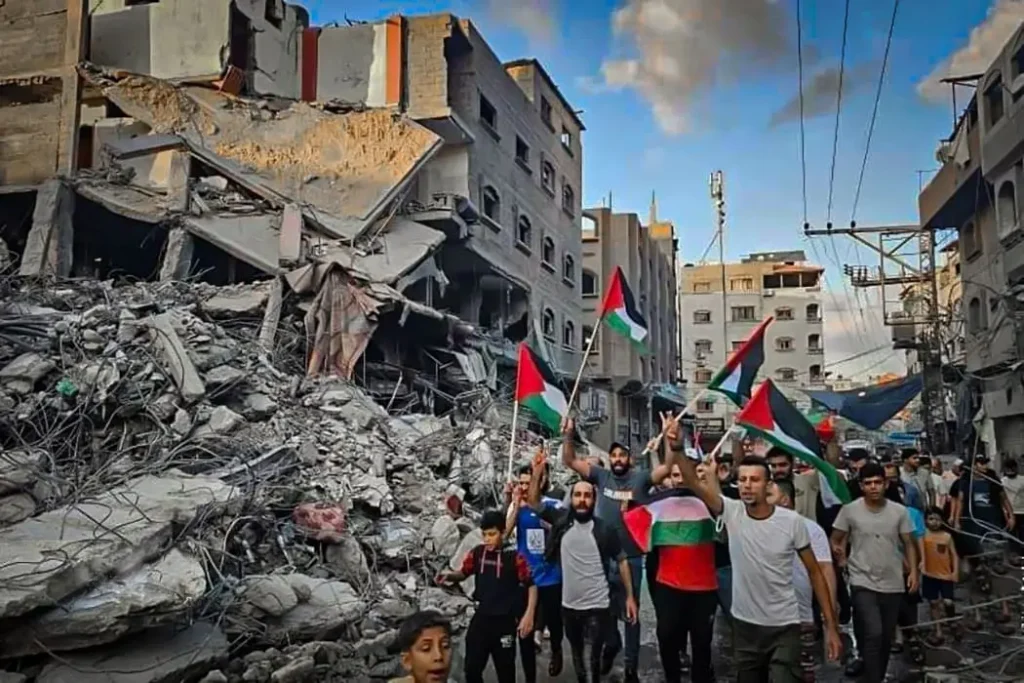
Hundreds of miles away, the landscape of Gaza City told a different story. For the first time since the October ceasefire, residents welcomed Ramadan not in their homes, but beside the “concrete skeletons” of destroyed neighborhoods.
The Resilience of Tradition
In neighborhoods like Al-Zarqa, families set up tents next to the ruins of their former residences. Despite the devastation, small signs of the holiday appeared:
- Lanterns (Fanous): Traditional colorful lanterns were hung over broken streets and tent entrances, though many lacked electricity to light them.
- Damaged Mosques: Worshippers performed Taraweeh prayers in partially destroyed mosques, such as the Great Omari Mosque, or under the open sky where minarets once stood.
The Hardship of the Iftar Table
The economic toll of the conflict has made the traditional iftar the meal to break the fast an extraordinary challenge. Food prices have soared, with some essential goods rising by 300%.
Families often organize their day around aid distribution schedules. Many rely on soup kitchens as the actual number of aid trucks entering the Strip remains far below the 600-per-day target established in the ceasefire agreement.
A Month of Solidarity and Survival
For the people of Jerusalem and Gaza, Ramadan 2026 is a test of sumud—a Palestinian concept meaning steadfast perseverance. It is a month stripped of its usual comforts but filled with intensified meaning.
In Gaza, the pain of absence is heavy, with over 58,000 children estimated to have lost at least one parent in the recent conflict. Yet, the community finds strength in shared survival. “Ramadan in Gaza is not simply a month of fasting,” one resident noted, “it is a month of fasting from despair.”
What You Can Do Next
The humanitarian situation in Gaza remains critical as aid flows struggle to meet local needs. Would you like me to help you find a list of verified organizations providing food aid and medical support to families in Gaza this Ramadan?