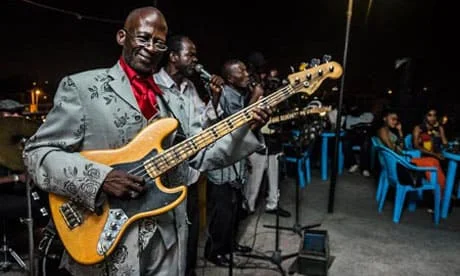
In the vibrant streets of Kinshasa, a timeless melody still defines the nation’s spirit. Congolese Rumba is more than a genre; it is the spiritual and cultural backbone of the Democratic Republic of the Congo (DRC). While global music tastes shift toward digital pop, a dedicated group in Kinshasa is fighting to ensure this ancient rhythm remains a living part of Congolese identity in 2026.
Congolese Rumba is far more than a soundtrack for a night out. Cultural experts believe the genre’s roots stretch back to the pre-colonial era, predating European influence. It serves as a sonic bridge to the past, carrying the stories and emotions of generations within its intricate guitar lines and complex percussion.
A Global Treasure Facing Modern Threats
The international significance of the genre was cemented five years ago when UNESCO added Congolese Rumba to its list of Intangible Cultural Heritage of Humanity. This designation was meant to protect the music and elevate its status globally. However, traditionalists in the DRC remain concerned.
Despite its UNESCO status, there is a growing fear for the genre’s future. Modernization and the influx of international styles have led to a perceived neglect of traditional Rumba among younger communities. As the youth pivot toward high-tempo, synthesized sounds, classic Rumba faces the risk of becoming a museum relic rather than a vibrant social force.
The National Rumba Museum: A “Bank” for History
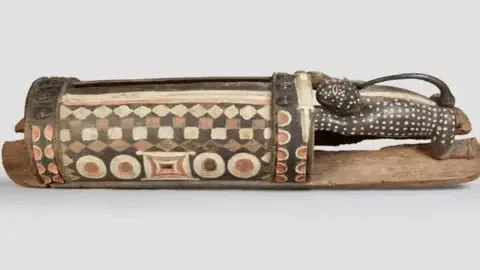
To counter this cultural shift, the National Rumba Museum in Kinshasa has become a primary fortress for the genre’s preservation. The institution acts as a living archive, housing the instruments, costumes, and personal artifacts of the legends who defined the Congolese sound.
Glodi Nkiadiasivi, the museum’s deputy director, views the facility as a vital “bank” of cultural capital.
“This bank, the National Rumba Museum, exists so that artists—even centuries from now—can have their work preserved,” Nkiadiasivi explains. “We keep these objects as a permanent record to tell future generations about the impact these artists had during their brilliant careers.”
The Evolution of Sound: From Franco to Fally Ipupa
Preservation is a complex task because Congolese Rumba is not a static art form. It has always absorbed external influences. Christian Kayembe, a music teacher at the National Institute of Arts (INA), points out how the genre has evolved across different eras.
“Congolese Rumba has been shaped by many styles,” Kayembe notes. “When we listen to legends like Grand Kallé and Franco, you hear pure dance music focused on Congolese expression.”
However, Kayembe observes a shift in modern stars. “Today, icons like Fally Ipupa and Ferre Gola show heavy outside influences. Their music fuses traditional Rumba with global pop, R&B, and hip-hop.” While this evolution helps the music stay commercially relevant, traditionalists worry it may dilute the genre’s foundational storytelling and unique guitar “sebene.”
A Strategy for Cultural Revival
The National Rumba Museum is doing more than just housing old records. They have launched an aggressive outreach strategy to keep the rhythm alive in the hearts of the public. The preservation effort is built on three main pillars:
- Guided Historical Tours: Educating visitors on the pre-colonial origins and the “Golden Age” of Rumba.
- Educational Conferences: Hosting debates led by musicologists like Christian Kayembe to discuss Rumba’s theory and social impact.
- Live Concerts: Allowing younger generations to experience the genre’s power in its natural environment—the stage.
Why Preservation Matters in 2026
In a digital world where algorithms often favor Western-leaning content, maintaining a distinct musical heritage is an act of cultural sovereignty.
For the people of the DRC, Rumba is a record of their resilience. It survived colonialism, civil unrest, and economic hardship, providing a voice for the nation on the world stage.
If the youth of Kinshasa lose their connection to Rumba, they lose a vital piece of their historical compass. The struggle to save the genre is ultimately a fight to keep the Congolese soul intact against the pressures of global homogenization.
Conclusion: Keeping the Heartbeat Alive
The mission of the National Rumba Museum is a high-stakes bet on the power of cultural memory. By treating the museum as a “cultural bank,” leaders like Glodi Nkiadiasivi are ensuring that the heart of the Congo continues to beat to the sound of Rumba.
The future of the genre depends on the next generation’s willingness to listen to the “long-distance runners” of the past. Through archival preservation and active live engagement, Kinshasa is proving that tradition and modernity can coexist. The song of the Congo is far from over.
READ ALSO: Guatemala Lifts State of Emergency After Gang Crackdown