The Kenyan government has launched a high-level diplomatic intervention. This follows harrowing reports of citizens lured into the Russia-Ukraine conflict under false pretenses.
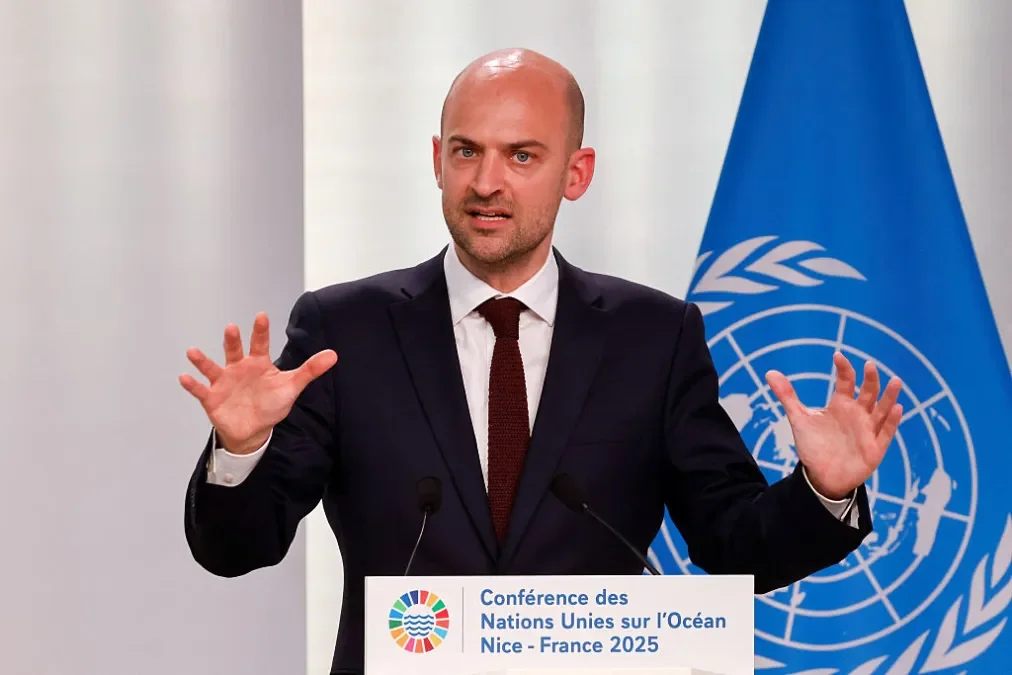
On Tuesday, February 10, 2026, Foreign Minister Musalia Mudavadi announced plans to travel to Moscow. He will demand an immediate end to the “clandestine and unacceptable” recruitment of Kenyans by Russian forces.
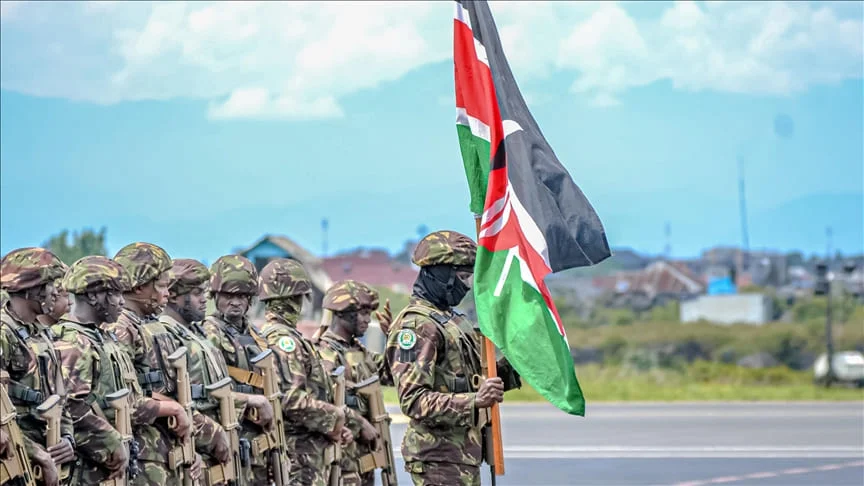
Nairobi is currently grappling with a growing humanitarian crisis. Many young men sought lucrative jobs in logistics and security abroad. Instead, they found themselves on the front lines of a brutal war.
The Kenyan government estimates that at least 200 citizens have been recruited. However, Ukrainian intelligence suggests that over 1,400 African nationals are currently fighting for Russia.
The Web of Deception: From Job Offers to Battlefields
The crisis stems from a sophisticated network of recruitment agencies in East Africa. Investigations reveal that many Kenyans were targeted via social media. Recruiters promised high-paying contracts for roles such as:
- Private Security Guards
- Warehouse Supervisors
- Professional Athletic Opportunities
The reality upon arrival in Russia was a stark betrayal. Recruits were reportedly coerced into signing military contracts written entirely in Russian. Most could not understand the language. Those who hesitated faced threats of imprisonment, deportation, or immediate death.
The “HR Wizards” and the Medical Trap
One notable agency identified is Global Face Human Resources. Their website once boasted: “Let our HR wizards connect you to exciting opportunities.” Survivors like “Victor” and “Erik” (names changed for safety) recount being processed through specific Nairobi clinics.
One clinic reportedly examined 157 recruits in a single month. While some were former soldiers, many others believed they were heading for civilian roles in “special economic zones.”
The Reality of “Meat Assaults”: Cannon Fodder in Ukraine
Once signed, recruits were swiftly moved to training grounds. They were then deployed to volatile regions like Donbas and Donetsk. Junior Foreign Minister Korir Sing’Oei described these men as “cannon fodder.” They are frequently sent into high-risk “meat assaults.” These are direct infantry charges against fortified positions with minimal training.
The Human Cost of the Scam
- Broken Promises: Recruits were promised salaries between $1,000 and $3,000. Many survivors report receiving nothing.
- The Financial Trap: Families are often told they can “buy out” a contract for roughly $4,000. This sum is unreachable for most.
- The Physical Toll: Over 27 Kenyans have already been repatriated. Many returned with missing limbs, shrapnel wounds, and deep psychological trauma.
The Moscow Agenda: Mudavadi’s Diplomatic Mission
Minister Mudavadi’s upcoming visit to the Kremlin represents a rare confrontation by an African state. He emphasized that the goal is to “arrest” the recruitment pattern.
“We have seen loss of lives. I am planning to visit Moscow to emphasize that this must be arrested,” Mudavadi stated.
The mission’s primary objectives include:
- Direct Repatriation: Securing the release of Kenyans held as prisoners of war.
- Health Verification: Gaining access to Russian hospitals to check on wounded nationals.
- A Formal Ban: Pressing Moscow to sign a Bilateral Labour Agreement. This would explicitly prohibit military enlistment for Kenyan citizens.
- Visa Reform: Discussing tighter controls to prevent human traffickers from exploiting travel channels.
READ ALSO: African Leaders Renew Call for Ceasefire in War-Torn Eastern DR Congo
Cracking Down on the Home Front
Nairobi has begun an aggressive internal cleanup. Authorities have shut down over 600 recruitment firms accused of misleading citizens. In a recent raid, police rescued 21 young men just hours before their flight to Russia.
An employee of Global Face Human Resources, Edward Gituku, is currently being prosecuted for human trafficking. Additionally, a Russian citizen, Mikhail Lyapin, was deported at Kenya’s request last year. Returning fighters are now receiving specialized psychological care and “de-radicalization” support.
The South African Connection: A Continental Crisis
Kenya’s struggle is mirrored across Africa. On Tuesday, South African President Cyril Ramaphosa held urgent talks with Vladimir Putin. They discussed 17 South African nationals trapped in the Donbas region.
In South Africa, the scandal involves Duduzile Zuma-Sambudla, daughter of former President Jacob Zuma. She is under investigation for allegedly luring men into the conflict. Relatives claim she promised “bodyguard training,” but the men were handed over to Russian forces. These cases highlight a deep network targeting vulnerable youth across the continent.
Conclusion: A Stand for African Sovereignty
The unified stance of Kenya and South Africa marks a significant shift. By labeling this recruitment as human trafficking, these governments are prioritizing citizens over diplomatic convenience.
As Mudavadi prepares for his March visit, the eyes of the continent remain on Moscow. For families with loved ones on the front lines, this mission is a final hope. Kenya’s message is clear: the lives of its people are not for sale.