
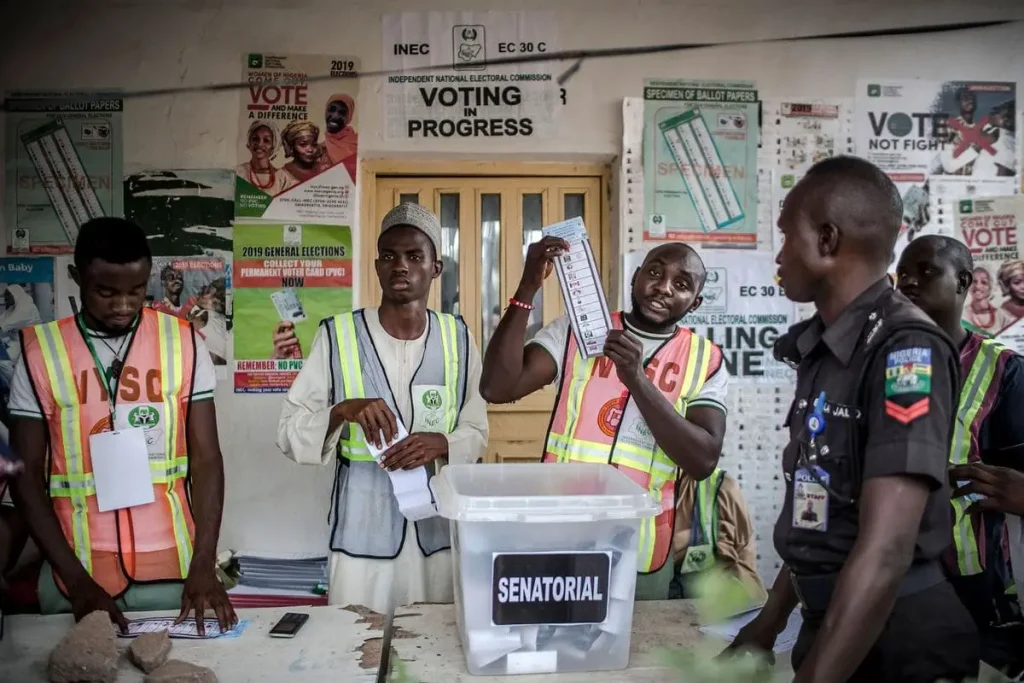
The Nigerian Senate has approved the mandatory live electronic publication and transmission of election results. This landmark decision occurred on Tuesday, February 10, 2026.
This move reverses the chamber’s previous stance. It is a major win for transparency before the 2027 General Elections. The mandate to upload results directly to the INEC Result Viewing Portal (IReV) follows a week of intense protests and public outcry.
The Historic Reversal: From Rejection to Approval
Last week, the Senate rejected compulsory electronic transmission. They cited poor rural internet and national security as reasons. However, this sparked a “perfect storm” of opposition:
- Public Protests: On Monday, February 9, activists like Peter Obi marched on the National Assembly.
- Labor Pressure: The Nigeria Labour Congress (NLC) threatened nationwide strikes and election boycotts.
- Legal Advocacy: The NBA and various CSOs warned that blocking the move would destroy public trust.
Bowing to pressure, the Senate held an emergency session on Tuesday. They realigned their position with the House of Representatives.
The Harmonization Process: What Happens Next?
Senate President Godswill Akpabio has formed a 12-member conference committee. Led by Senator Simon Lalong, the group will harmonize the Senate and House versions of the Electoral Act Amendment Bill 2026.
“This is urgent,” Akpabio said. “We believe the President should sign the bill into law this February.”
The committee has one week to finalize the text. They aim to define “real-time electronic transmission” clearly to prevent manual manipulation during collation.
Key Features of the 2026 Electoral Act Amendment
The update introduces several transformative reforms to Nigeria’s voting laws:
- BVAS Legal Authority: The Bimodal Voter Accreditation System now has full legal backing for result transmission.
- Shortened Timelines: The election notice period dropped from 360 to 180 days for a faster cycle.
- Inmate Voting: Eligible inmates in correctional facilities can now vote for the first time.
- NIN-Linked Registration: Voter registration now links to the National Identification Number (NIN) to stop fraud.
- Digital Party Registers: Political parties must use digital registers to prevent primary election tampering.
2027 Outlook: Restoring Public Confidence
With President Bola Tinubu expected to run again in 2027, integrity is vital. Proponents say real-time uploads will stop “result doctoring” at the manual collation stage.
By making the IReV portal the legal source of truth, the Assembly hopes to reduce election court cases. Voters, not judges, should decide the winners.
Conclusion: A New Era for Democracy
The Senate’s approval responds to the demand for accountability in the “Giant of Africa.” Focus now shifts to INEC. The agency must ensure its servers can handle 176,000 polling units in 2027.
The events of February 10, 2026, mark a rare moment of bipartisan unity for a fairer future.
Do you believe electronic transmission will finally end election rigging in Nigeria? Share your thoughts in the Comments below