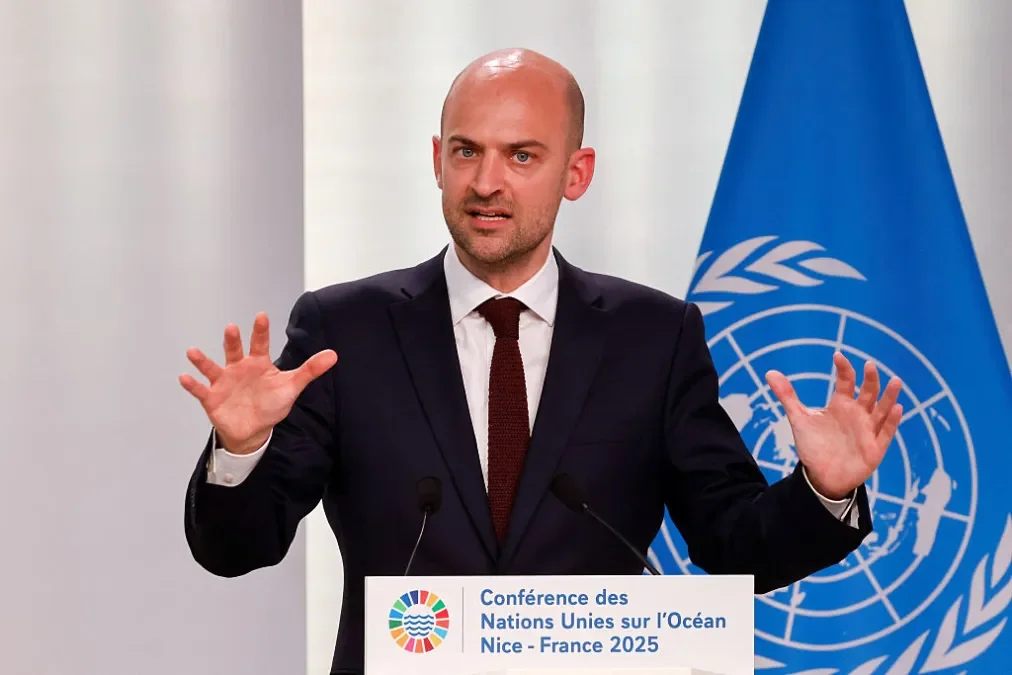
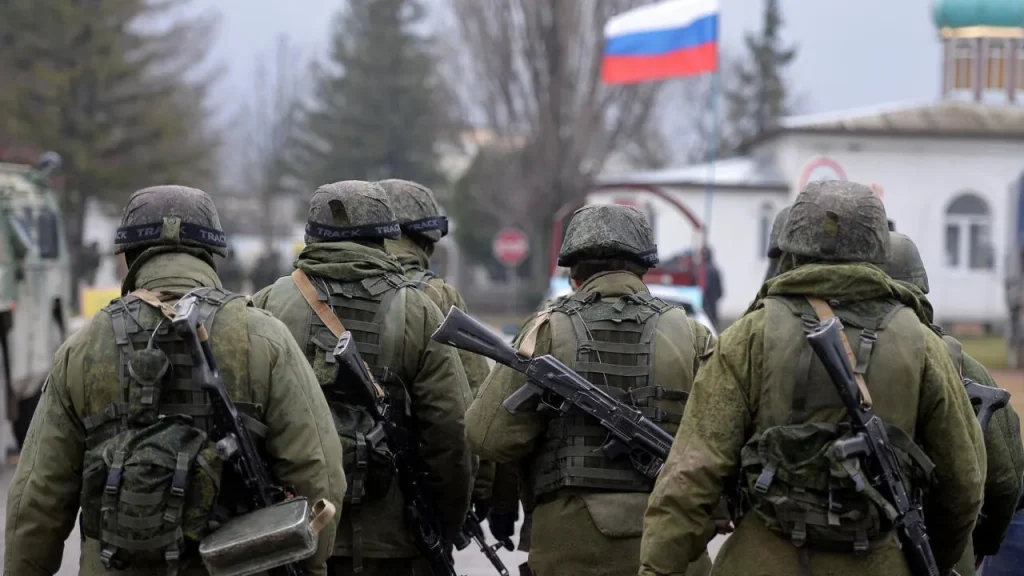
The Russian government has issued a formal rebuttal against allegations of a state-sponsored initiative to enlist Nigerian citizens for the conflict in Ukraine. During a high-level press briefing in Abuja on Tuesday, February 10, 2026, Russian Ambassador Andrey Podyolyshev clarified that any recruitment efforts are entirely independent of the Russian state.
The clarification follows a wave of viral videos and reports suggesting that Nigerians and other African nationals were lured to Russia with promises of private security work. According to these claims, those who arrived were given brief training before being sent to active combat zones.
Official Denial of State Involvement
Ambassador Podyolyshev was firm in his dismissal of these allegations. He categorized the claims as part of a narrative pushed by foreign interests and maintained that Russia has no official policy for recruiting Nigerians into military service.
“There is no government-supported programme to recruit Nigerians to fight in Ukraine,” Podyolyshev stated. “If there are illegal organisations or individuals trying to recruit Nigerians by unlawful means, this is not connected with the Russian state.”
The Ambassador also questioned the accuracy of reports from Western media, describing them as attempts to misrepresent Russian actions. He invited journalists to visit Russia to observe the actual situation firsthand rather than relying on external sources.
Call for Investigation and Evidence
While the Ambassador noted that some Nigerians might be present in conflict areas, he insisted they did not arrive through official channels. He urged the public and investigative bodies to provide concrete evidence of unauthorized recruitment agencies.
Commitment to Legal Action
- Inquiry Offer: Moscow is ready to pass credible information to Russian law enforcement for thorough investigation.
- Law Enforcement: Podyolyshev stated that if any agencies—Russian or otherwise—are violating the law, they will face legal repercussions.
- Public Cooperation: He encouraged individuals with specific details about illegal recruiters to step forward.
Deepening Military and Strategic Ties
Pivoting from the controversy, the Ambassador discussed the future of defense cooperation between Russia and Nigeria. He revealed that both nations are exploring ways to strengthen their military partnership.
The ongoing discussions focus on:
- Military Equipment: Exploring the supply of advanced Russian hardware to the Nigerian Armed Forces.
- Professional Training: Establishing programs for Nigerian military personnel both in Russia and within Nigeria.
- Security Goals: Enhancing Nigeria’s ability to combat regional issues like Gulf of Guinea piracy and domestic terrorism.
Nuclear Energy and Educational Development
A significant portion of the diplomatic exchange focused on Nigeria’s energy goals. Russia remains a primary partner in Nigeria’s pursuit of nuclear energy. Podyolyshev highlighted the existing agreement to build a Centre for Nuclear Science and Technology in Nigeria.
Key aspects of this project include:
- Research Infrastructure: A reactor designed for scientific advancement and medical research.
- Educational Opportunities: Continuation of scholarship quotas for Nigerian students to study medicine and engineering in Russia.
- Future Grid Stability: Long-term plans for a nuclear power plant to improve Nigeria’s national energy supply.
Nigeria’s Role in a Multipolar World
From a geopolitical standpoint, Russia views Nigeria as a cornerstone of West African stability and a global center of influence. The Ambassador emphasized that Nigeria’s political and economic weight makes it a strategic partner in a “multipolar” international order.
Pillars of Regional Stability
- ECOWAS Leadership: Nigeria is viewed as the heart of the regional bloc due to its military potential and population.
- Energy Influence: As a leading member of OPEC, Nigeria’s role in global energy security is a priority for Russian diplomacy.
- Peacekeeping History: Podyolyshev acknowledged Nigeria’s successful past interventions in West African nations like Liberia and Sierra Leone.
A New Era for Bilateral Relations
The partnership recently celebrated its 65th anniversary on November 25, 2025. Podyolyshev noted that this milestone marks a fresh phase of diversified ties.
However, he urged for stronger economic engagement, noting that the Russia–Nigeria Intergovernmental Commission on Economic Cooperation has not met in a decade. He stressed that government-level support is vital for large-scale economic projects to succeed.
Conclusion: A Vision for Independence and Growth
Ambassador Podyolyshev concluded by framing the Russia-Nigeria relationship within a broader vision of a world free from “neo-colonialism.”
He argued that a multipolar world where nations like Nigeria rise as independent centers of power—is the most stable path for global security. As Nigeria grows, Russia intends to move past conflict-centered narratives to focus on industrial and educational growth.
READ ALSO: Guinea-Bissau: Opposition Leader Pereira Summoned Over Alleged Coup Ties