
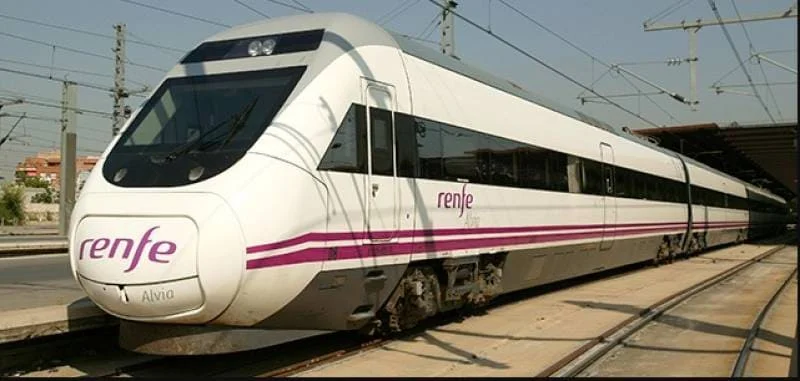
A massive transportation crisis was narrowly averted on Monday, February 9, 2026. Spain’s primary railway unions officially suspended a planned three-day nationwide walkout. This decision followed a marathon negotiation session where government authorities pledged significant new investments. They also promised a reinforcement of staffing levels to address a growing national safety crisis.
The strike threatened to paralyze the country’s high-speed and commuter networks. It was called in response to a tragic month for the Spanish rail industry. Recent weeks saw a series of high-profile accidents that ignited fierce public debate. Citizens are now questioning the state of the nation’s infrastructure and the safety of its passengers.
A Tragic Backdrop: The Incidents That Sparked the Crisis
The tension between rail workers and the state reached a breaking point following two devastating incidents in January. These accidents brought the vulnerability of the network into sharp focus:
- The Andalusia Disaster: On January 18, 2026, a high-speed train crash in southern Spain killed 46 people. This event remains one of the deadliest rail accidents in recent Spanish history.
- The Catalonia Derailment: Just two days later, on January 20, a derailment in northeastern Catalonia killed a veteran train driver. This event further heightened fears among railway staff.
These tragedies led to immediate scrutiny of Adif (the infrastructure manager) and Renfe (the state-owned operator). Union leaders argued that years of underinvestment and staffing shortages had created a “dangerous environment” for both employees and the public.
The Breakthrough Deal: Safety, Investment, and Staffing
The SEMAF train drivers’ union released a statement confirming the strike suspension. The government met all their primary demands. While authorities have not yet released specific financial figures, the framework of the agreement is comprehensive.
Key Pillars of the Agreement
The Transport Ministry has committed to a multi-point plan aimed at stabilizing the rail network:
- Infrastructure Reinforcement: Immediate funding for track repairs and signaling upgrades in high-risk zones.
- Safety Procedures: The creation of specialized working groups to overhaul current safety protocols and emergency responses.
- Bolstered Staffing: A commitment to hiring additional personnel to reduce driver fatigue and ensure more rigorous maintenance schedules.
- Clear Accountability: Establishing stricter limits on responsibilities to ensure transparent safety management.
Trade unions CCOO and UGT, Spain’s two largest unions, joined SEMAF in advising their members to return to work. However, CCOO leaders issued a stern warning. They stated they would “rigorously monitor” the rollout to ensure the government does not backtrack on its promises.
Persistent Disruptions: Smaller Unions Hold the Line
Despite the agreement with the major unions, the Spanish rail network did not return to 100% capacity immediately. Two smaller organizations, CGT and Sindicato Ferroviario, announced they would proceed with their strike actions through Wednesday.
These unions claimed they were excluded from the primary negotiations. They also stated they had not been informed of the deal’s specific terms. As a result, several cancellations and delays persisted throughout Monday morning. Disruptions were particularly heavy at major hubs like Barcelona Sants and Madrid Atocha.
Minimum Service Levels in Effect
To mitigate the impact on the economy, the Transport Ministry mandated high minimum service requirements:
- 73% for long-distance and high-speed (AVE) services.
- 75% for commuter trains during peak rush hours.
- 50% for off-peak commuter services.
The Passenger Perspective: Patience Amid Frustration
At stations across the country, travelers huddled around electronic departure boards. For many, like 52-year-old French commuter François Monti, the day was defined by a mix of inconvenience and empathy.
“This is my third cancellation today,” Monti said while waiting at Barcelona Sants. “I’m hoping my next train actually departs. However, I understand that the safety situation is complicated. I support the drivers because no one should fear for their life on a train.”
Conclusion: A Fragile Peace for Spain’s Railways
The suspension of the strike provides immediate relief for millions of commuters. However, the “peace” remains fragile. The recent loss of life in Andalusia and Catalonia has left a deep scar on the public consciousness.
The coming months will be a test for the Spanish government. They must prove that the promised investments are more than just a temporary diplomatic fix. For the workers, the focus now shifts from the picket line to the boardroom. They will watch closely to see if Spain’s railways can truly be made safe again.
In other News, SMBLF Demands Mandatory Electronic Results Transmission in 2026 Electoral Bill