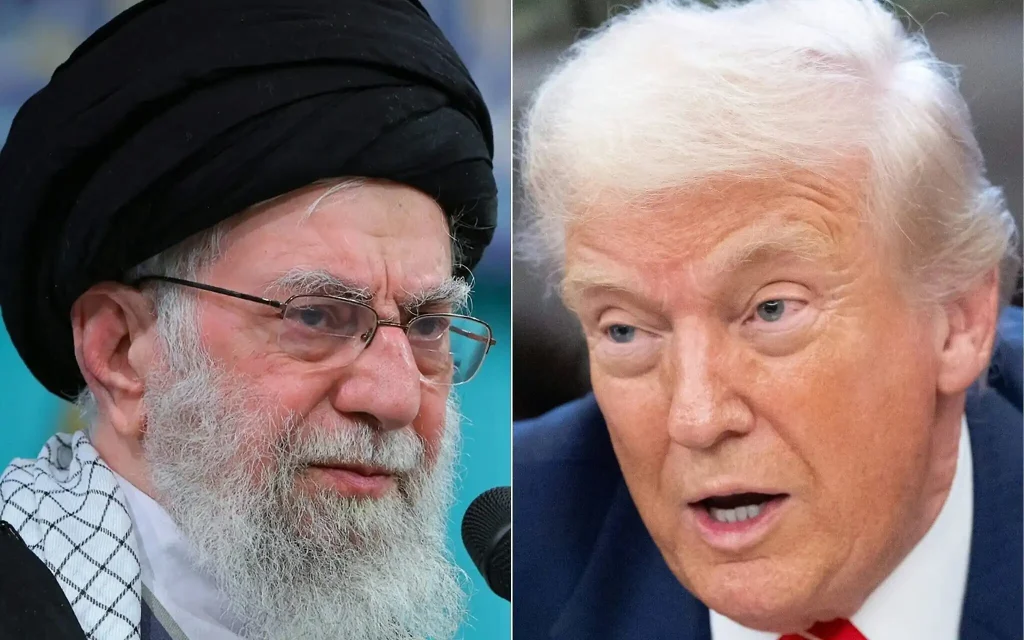
In a critical move to avert further regional instability, the United States and Iran are scheduled to resume formal negotiations regarding Tehran’s nuclear program this Friday, February 6, 2026. The White House recently corroborated the upcoming schedule, effectively ending weeks of speculation. This confirmation provides a glimmer of hope for a diplomatic breakthrough, easing the uncertainty that has surrounded the future of engagement between these two adversaries.
Regional Pressure: Why Middle Eastern Powers Want Peace
The push for a diplomatic solution is not coming solely from Washington or Tehran. Several Middle Eastern powers are heavily championing the return to dialogue. Nations including Egypt, Turkey, Saudi Arabia, Qatar, and Oman have been actively lobbying the U.S. administration to maintain an open channel.
These regional stakeholders have a vested interest in the success of these talks. They have issued stern warnings that a total collapse in diplomacy could ignite a widespread conflict across the Middle East. Following the intense volatility of 2025, these neighbors are desperate to avoid a full-scale war that would destabilize global oil markets and regional security. For countries like Qatar and Oman, who often act as mediators, this Friday represents a pivotal moment for their diplomatic efforts.
Major Hurdles: The “Deadlock” Over Missiles and Enrichment
Despite the return to the table, significant friction remains between the two delegations. The negotiations face a “deadlock” on several key security issues that have plagued previous rounds of talks. To understand the complexity of Friday’s meeting, we must look at the specific demands and red lines on both sides.
The Ballistic Missile Dispute
A major point of contention is Iran’s ballistic missile program. Iran has explicitly stated that its missile development and broader military capabilities are non-negotiable. They view these assets as essential deterrents against foreign intervention.
Specifically, Tehran has rejected a U.S. demand to limit its missile range to under 500 kilometers. From the U.S. perspective, this limit is necessary to protect regional allies. However, such a restriction would effectively remove Iran’s ability to reach targets in Israel. The Iranian delegation has made it clear that they will not grant this concession, as they believe it would leave them vulnerable.
The Uranium Enrichment Compromise
On the nuclear front, the disagreement shifts to the technicalities of uranium enrichment. The U.S. and its allies have long called for Iran to completely dismantle its enrichment infrastructure. Iran, however, remains unwilling to take such a drastic step.
In what some analysts call an “olive branch,” Tehran has suggested a willingness to cap enrichment levels below 20%. By doing so, they aim to demonstrate that their program is strictly for civilian and peaceful purposes, such as medical research and energy production. While 20% is significantly higher than the 3.67% limit set in the original 2015 deal, it is still far below the 90% threshold required for weapons-grade material.
A History of Failed Attempts: Lessons from 2025
This upcoming session does not exist in a vacuum. It follows a grueling and ultimately unsuccessful series of five negotiation rounds throughout 2025. Those talks were characterized by moments of progress followed by sudden collapses.
The 2025 negotiations were abruptly halted last year following a cycle of Israeli strikes that triggered a brief but intense military confrontation. This “shadow war” made formal diplomacy impossible at the time. However, the current lull in direct hostilities has provided a window for Abbas Araghchi, leading the Iranian team, and Steve Witkoff, the U.S. Special Envoy, to try once more.
The Lead Negotiators: Araghchi vs. Witkoff
The success of Friday’s talks rests heavily on the shoulders of the two lead negotiators. Both men bring distinct styles and mandates to the table:
- Abbas Araghchi (Iran): A seasoned diplomat with extensive experience in nuclear files. Araghchi is known for his firm adherence to Iran’s “strategic patience” policy while seeking sanctions relief to bolster Iran’s struggling economy.
- Steve Witkoff (United States): Representing the Trump administration, Witkoff carries a mandate of “peace through strength.” His goal is to secure a deal that is broader and more restrictive than previous agreements, covering both nuclear and regional security concerns.
The Ultimatum: Diplomacy or Force?
The stakes for Friday’s meeting could not be higher. While the U.S. is participating in the talks, President Donald Trump has maintained a dual-track strategy. The administration has been transparent about its stance: diplomacy is the preferred path, but the “military option” remains firmly on the table.
This ultimatum serves a dual purpose. It reassures regional allies like Israel that the U.S. will not allow Iran to cross the nuclear threshold. Simultaneously, it exerts “maximum pressure” on Tehran to make meaningful concessions on Friday. If the talks fail to produce a verifiable breakthrough or a clear roadmap for progress, the risk of a return to military posturing increases exponentially.
What to Expect Following Friday’s Session
While a final deal is unlikely to be signed in a single day, the international community will be looking for “confidence-building measures.” This could include a temporary freeze on high-level enrichment by Iran in exchange for limited sanctions relief from the United States.
Success on Friday would not mean the end of the conflict, but it would provide the “diplomatic oxygen” needed to continue talks into the spring. For now, the world watches the clock, hoping that the return to the table signals a genuine desire for peace rather than a mere pause before a new storm.
READ ALSO: Leadership Shakeup: John Steenhuisen to Step Down as DA Leader