In a dramatic shift for Middle Eastern politics, Iranian President Masoud Pezeshkian has formally ordered new nuclear negotiations with the United States. This diplomatic opening comes at a time of extreme volatility. Currently, the U.S. administration is balancing the desire for a “grand bargain” with a massive show of military force.
U.S. President Donald Trump has expressed optimism about a potential deal. However, he has paired this rhetoric with stern warnings. Furthermore, the recent deployment of an aircraft carrier strike group to the region highlights a “maximum pressure” strategy that has the whole world watching.
Ultimatums vs. Diplomacy
President Trump recently signaled that “time is running out” for a resolution. Despite this, Tehran remains firm against coercive diplomacy. The Iranian government continues to assert that it “never accepts ultimatums.” Instead, they maintain that lifting economic sanctions is the only way to reach a formal agreement.
Foreign Minister Abbas Araghchi noted that a deal is “possible.” He suggests there is a rare alignment of interests because both nations officially oppose nuclear weapons. However, Araghchi emphasizes that they can only reach this goal through mutual respect. He insists that formal diplomacy must replace military threats.
Regional Powers Fight for Calm
The prospect of a U.S. military strike has sent shockwaves through neighboring capitals. Consequently, states like Turkey, Saudi Arabia, and Egypt have stepped up as urgent mediators. They fear a direct confrontation could ignite a “regional war.”
The regional diplomatic push includes:
- Mediation: Leaders are using active back-channel communications to prevent any dangerous miscalculations.
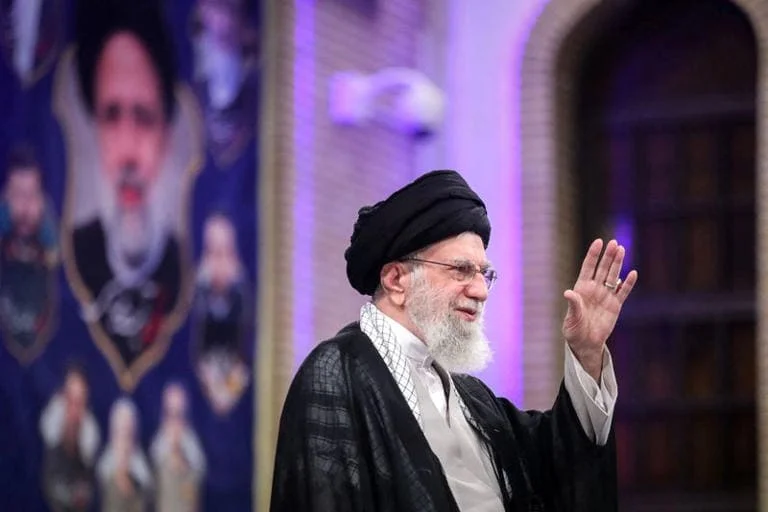
- Deterrence: Iran’s Supreme Leader warned that any American aggression would trigger a conflict spanning the entire region.
- Stabilization: Regional leaders are trying to separate nuclear talks from other disputes to lower the political temperature.
Domestic Unrest and Global Fallout
The decision to return to talks follows a period of intense internal turmoil in Iran. The government recently conducted a deadly crackdown on anti-government protests. While official figures admit to 3,000 deaths, rights organizations estimate the toll is twice as high. Additionally, at least 40,000 individuals have been detained.
This internal crackdown has led to several international consequences:
- EU Sanctions: The European Union recently designated Iran’s Revolutionary Guard as a terrorist organization.
- Retaliatory Labeling: Tehran responded quickly. They applied the same terrorist label to all European military forces.
- A Narrow Path: These rising tensions between Tehran and Europe make a sustainable nuclear deal even harder to achieve.