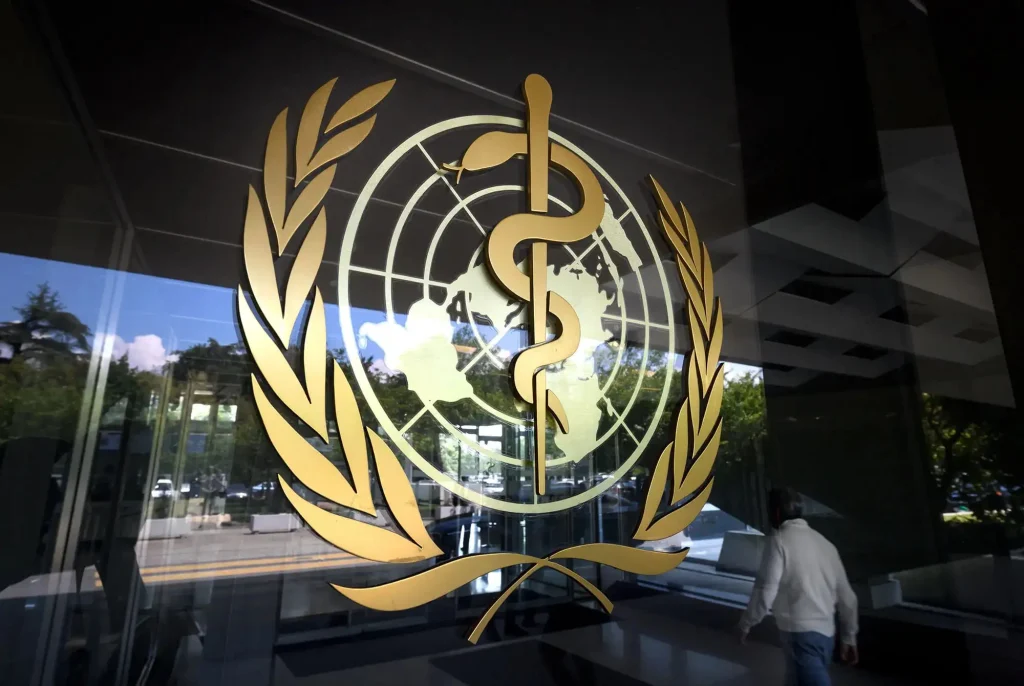
The United States has officially completed its withdrawal from the World Health Organization (WHO) this Thursday, January 22, 2026. This move comes exactly one year after President Donald Trump signed the executive order to terminate the nation’s membership.
While the departure is now legally in effect, it leaves behind a significant financial vacuum. Reports indicate that the U.S. has yet to settle approximately $260 million in membership fees owed for the 2024 and 2025 fiscal years. Although full payment is technically a condition for withdrawal, the WHO lacks the legal authority to enforce the debt or block the exit.
A Crisis of Cooperation and Funding
For decades, the United States served as the WHO’s largest financial backer. Beyond fixed dues, Washington consistently provided voluntary contributions that often accounted for over 15% of the organization’s total budget.
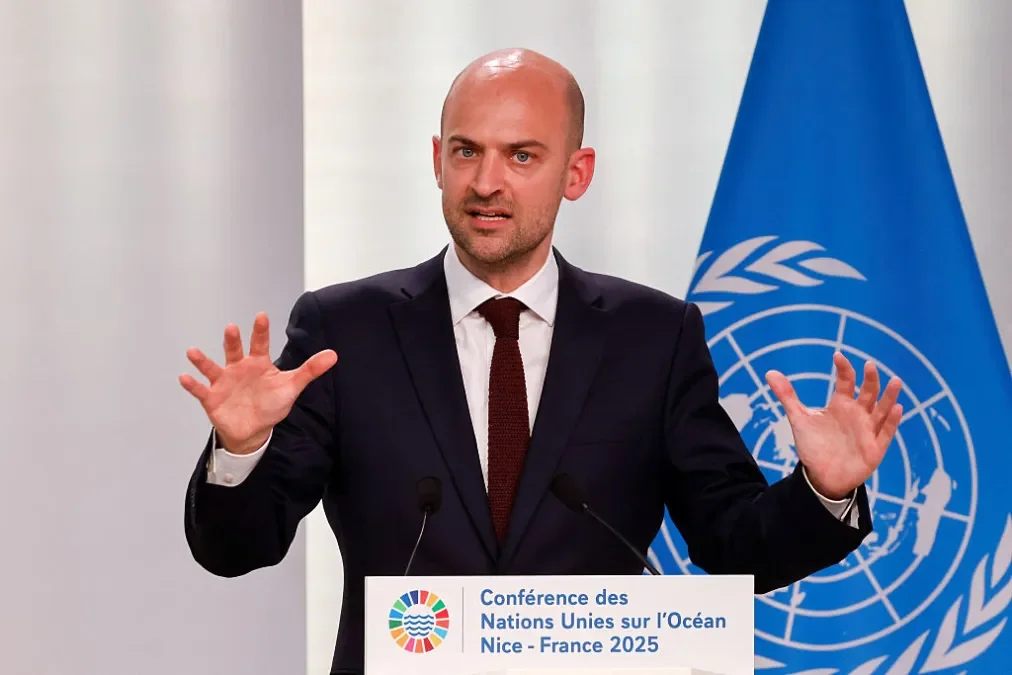
Director-General Dr. Tedros Adhanom Ghebreyesus expressed deep regret over the move during a press conference in Geneva. He emphasized that the loss is not merely financial but a blow to global solidarity. “Withdrawal is a loss for the U.S. and also a loss for the rest of the world,” he stated, urging the administration to eventually reconsider.
Immediate Impact on Global Health Operations
The U.S. exit has immediate practical consequences for international safety:
- Disease Monitoring: The U.S. will no longer participate in the WHO’s early warning systems for dangerous outbreaks.
- Vaccine Coordination: The Rest of the world must now manage the composition of seasonal flu vaccines without direct U.S. pathogen analysis and expertise.
- Staffing Cuts: To manage the loss of funds, the WHO has implemented a strict austerity program.
By mid-2026, the WHO expects its total workforce to shrink by 20%, dropping to roughly 7,300 employees. This is a significant decrease from the staffing levels seen at the beginning of 2025.
Political Background
President Trump’s decision to exit the global body stems from long-standing grievances regarding the handling of the coronavirus pandemic. During his first term, he attempted a similar withdrawal, which was later reversed by his successor, Joe Biden.
Upon his return to the White House, Trump reignited the process, accusing the organization of mismanaging funds and failing to provide transparency during global health crises.
What’s Next?
The WHO Executive Board is scheduled to meet in February to discuss the long-term management of the U.S. departure. Member states will need to find ways to fill the $280 million funding gap and restructure global health monitoring to compensate for the loss of American laboratory and medical data.
Can the world stay safe from new pandemics without U.S. involvement in the WHO? ???? With a 20% cut in staffing and a massive budget hole, the organization faces its toughest year yet. Do you think the U.S. should lead from within or stay independent? Share your perspective in the comments below!