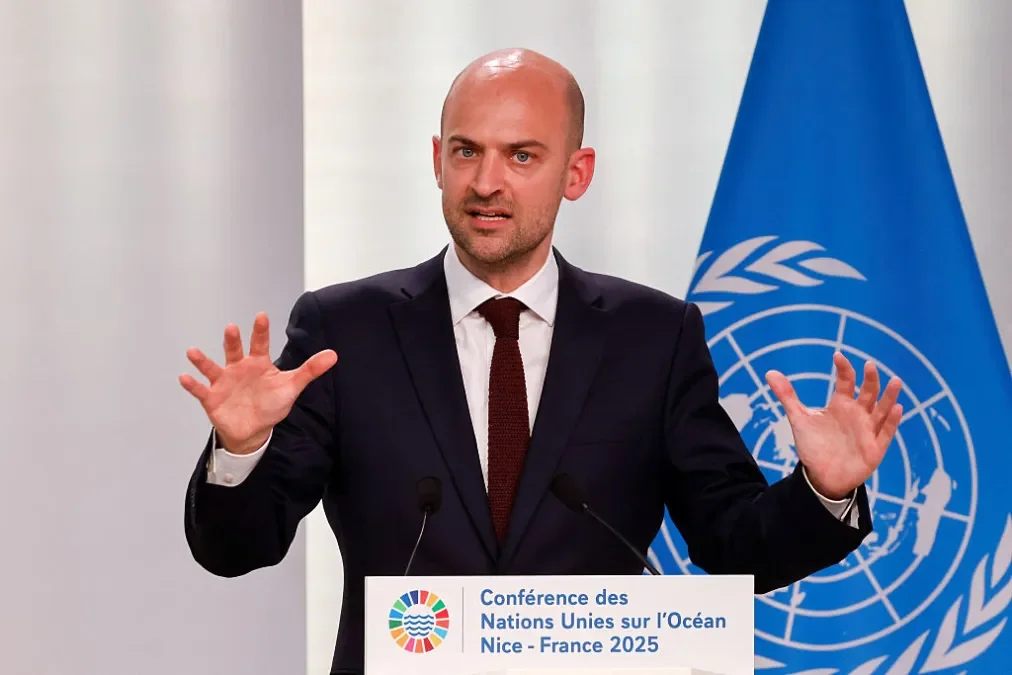
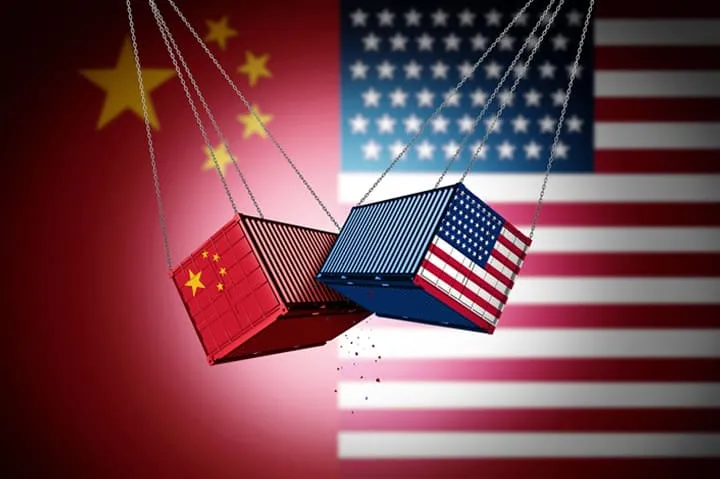
President Daniel Noboa has ignited a tense economic conflict. On Wednesday, he declared a strict Ecuador Colombia tariff of 30%. This policy targets all goods entering from the northern neighbor.
The levy takes effect on February 1. Consequently, it threatens to disrupt commerce across the region immediately.
Noboa cites two main triggers for this aggressive move. One is a ballooning trade deficit. The other is Bogotá’s alleged failure to curb cross-border crime.
He demanded a “real commitment” to joint security operations. Until Colombia complies, the financial penalties will remain.
Security Fears Drive Ecuador Colombia Tariff
Violence is surging along the border. Noboa has prioritized national security above diplomatic niceties. He recently deployed 10,000 troops to violent provinces and militarized San Lorenzo.
The President framed the stakes clearly at the World Economic Forum in Davos.
“Ecuador is fighting a complete war against evil and narco-terrorism,” Noboa stated.
This crackdown occurs amidst broader regional chaos. The U.S. recently intervened in Caracas against Nicolas Maduro. As a result, Washington is pressuring leaders to crush organized crime syndicates.
Economic Blowback and Rising Deficits
The financial data behind the decision is grim. Ecuador recorded a trade gap exceeding $838 million in just ten months. Noboa expects this deficit to surpass $1 billion annually.
However, the new Ecuador Colombia tariff carries risks for local consumers. Ecuador relies heavily on specific Colombian imports to function. Critical dependencies include:
- Electrical Power: Essential for grid stability during droughts.
- Medicines: A major part of the pharmaceutical supply.
- Agricultural Supplies: Vital pesticides for farming.
This is not Noboa’s first protectionist move. He previously imposed a 27% duty on Mexican goods.
Diplomatic Row Deepens Strains
Personal disputes are also fueling the fire. Tensions flared recently over jailed former Vice President Jorge Glas. Colombian President Gustavo Petro sparked outrage by sharing an image of the prisoner.
Petro claimed Glas showed signs of “psychological torture” and demanded his release.
Ecuadorian officials firmly rejected these claims. They maintain Glas is serving a lawful corruption sentence. Nevertheless, the incident has poisoned diplomatic channels.
Meanwhile, Bogotá is reviewing the new measures. Defense officials pointed to a recent marijuana seizure as proof of cooperation. Yet, Noboa remains unconvinced that his neighbor is doing enough.