
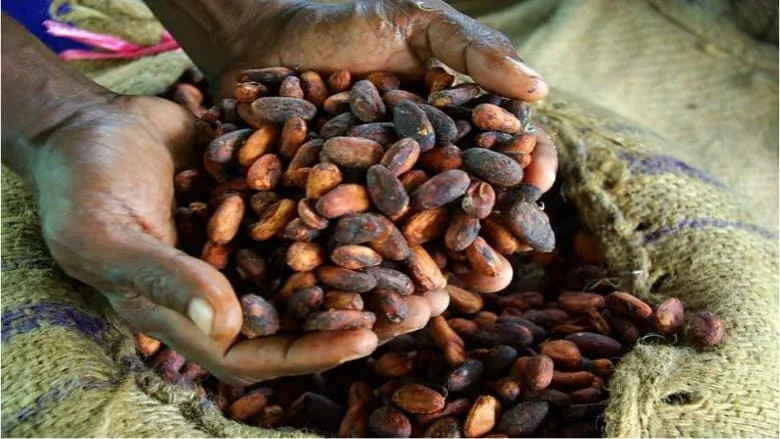
A tragic economic paradox is gripping the world’s leading cocoa producer. While barns in the Ivory Coast cocoa belt are bursting with valuable beans, the farmers who harvested them are facing financial ruin.
The sector has been paralyzed since last October by a plummeting global market. Exports have stagnated, leaving producers asset-rich but cash-poor.
Poverty Amidst Plenty
The situation has deteriorated to the point where wealth on paper no longer translates to survival. Marty Somda, director of the Cabend cooperative, shared a harrowing example of this liquidity trap.
Somda recounted the story of a farmer holding stock valued at nearly 9 million CFA francs. Yet, unable to sell a single bag, the man lacked the immediate funds to pay for his wife’s funeral.
“Producers are suffering from poverty even though they have products,” Somda stated.
The Economics of Desperation
Nearly 20% of the Ivorian population relies on this industry. Consequently, the crash has triggered a humanitarian emergency.
The core issue lies in the widening gap between government mandates and market realities. Authorities set farm-gate prices twice annually, but these fixed rates have disjointed from the sliding international value.
Ivory Coast Cocoa pricing structures are currently fractured:
- Global Market Price: Approximately $5,000 per tonne ($5 per kilo).
- Official Government Rate: Fixed at 2,800 CFA francs per kilo.
- Black Market Rate: Desperate sales reported as low as 2,000 CFA francs per kilo.
In regions like Duekoue, the need for quick cash to cover medical emergencies or food has forced hands. Local farmer Laurent Kone observed that growers are accepting these “unaffordable” depressed rates simply to save lives.
Government Promises Purchase Guarantees
Despite the mounting panic, regulators insist the system will hold. Yves Brahima Kone, director of the Coffee and Cocoa Council, sought to quell fears regarding the massive accumulation of unsold inventory.
“We have made forecasts,” Kone explained. “All of the Ivory Coast’s production from our plantations will be purchased.”
However, for families currently unable to buy medicine or bury their dead, these assurances offer little immediate relief. The delay in converting crops to cash threatens to destabilize the backbone of the nation’s economy.
__________________________________________________