
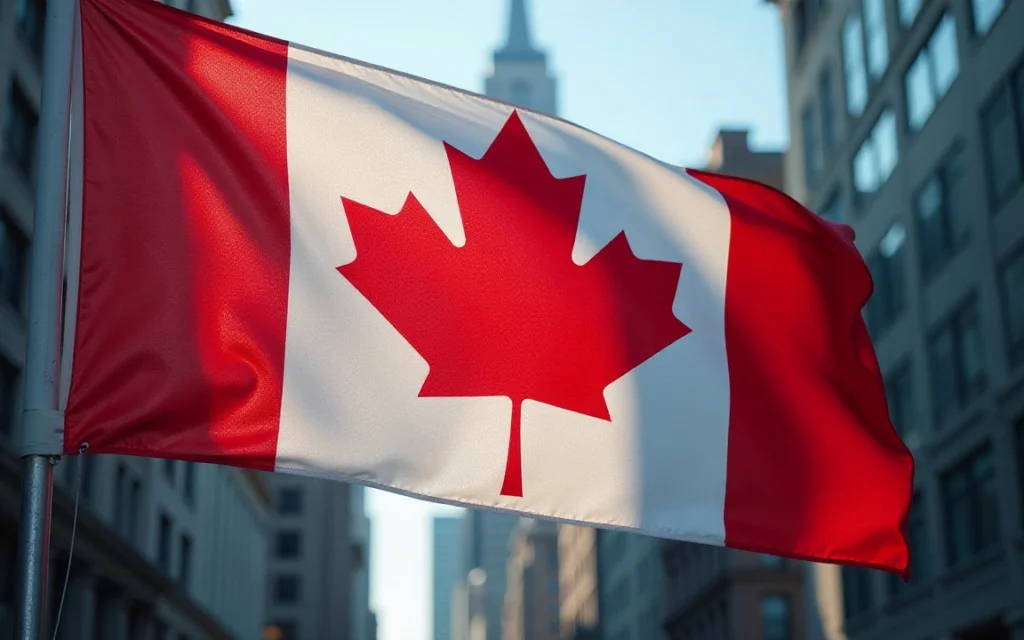
The Canadian stock market defied global jitters on Monday, closing at an all-time high. The S&P/TSX Composite Index advanced 50.41 points to finish at 33,090.96, shattering the previous record set just last Friday.
While trading volume was thin due to the Martin Luther King Jr. holiday in the United States, domestic momentum was undeniable. A surge in gold prices, driven by escalating international friction, provided the necessary lift for Canadian equities.
Materials Sector leads the TSX Charge
Investors flocked to “safe-haven” assets, triggering a rally in the resource-heavy Canadian market. The Materials sector was the day’s undisputed winner, leaping 2.2%.
This spike was directly tied to gold mining companies capitalizing on the global flight to safety. The Energy sector also contributed to the gains, posting a moderate 0.5% rise. Consumer Staples followed with a 0.2% increase.
However, not every sector participated in the celebration. Technology stocks faced significant headwinds, dropping 1.3%, while the heavyweight Financials sector slipped 0.5%.
The Greenland Factor triggers Volatility
The catalyst for the gold rally originated far beyond Canadian borders. Renewed trade threats from U.S. President Donald Trump unsettled global markets. The administration has threatened tariffs on European nations opposing its bid to purchase Greenland.
This geopolitical uncertainty had immediate ripple effects:
- Global indices largely retreated.
- The U.S. dollar weakened against safety currencies like the Swiss franc and Japanese yen.
- Reports indicate Canada may deploy troops to Greenland for upcoming NATO exercises.
Josh Sheluk, a portfolio manager at Verecan Capital Management, commented on the market’s reaction to these developing risks.
“With markets at near all-time highs, it’s not surprising to see volatility from time to time when risks emerge,” Sheluk noted.
Inflation Data Signals Rate Hold
Domestically, the economic outlook remains stable. New data shows Canadian consumer prices rose 2.4% year-over-year in December. While this slightly exceeded forecasts, analysts blame temporary “base effects” from previous tax changes rather than structural inflation.
Crucially, core inflation has cooled for three consecutive months. Consequently, markets widely expect the Bank of Canada to hold its benchmark interest rate at 2.25% during next week’s policy announcement.
__________________________________________________
Bulgarian President Rumen Radev Resigns to Launch Political Party