
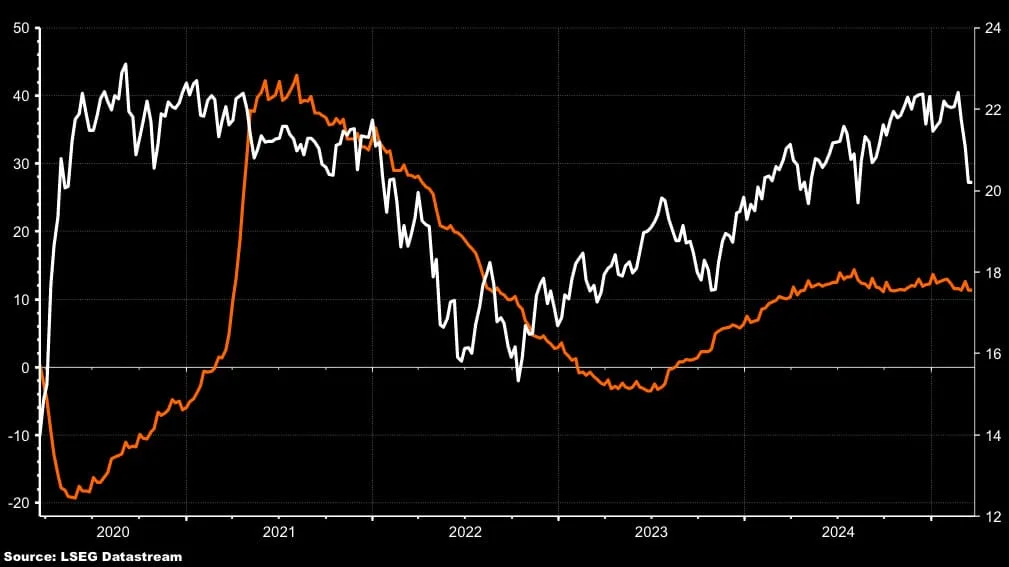
The U.S. Treasury market has settled into an uneasy calm after the dramatic “bond vigilante” uprising in April triggered by new tariffs. Yet beneath the surface, investors warn the stability rests on fragile measures that could crumble quickly.
A Sharp Reminder
On 5 November, 10-year Treasury yields leapt over 6 basis points in one session after hints of heavier long-term borrowing and a Supreme Court challenge to tariff legality.
Treasury’s Playbook to Tame Yields
Secretary Scott Bessent has become the government’s chief debt marketer, deploying creative tools to keep borrowing costs down:
- Heavy use of short-term T-bills to fund deficits, easing pressure on longer bonds but building future rollover risks
- Expanded buyback programme launched in summer, officially for liquidity but seen by some as a way to cap long-term yields
- Booming stablecoin demand — the $300 billion market now absorbs huge volumes of T-bills, creating a new buyer base
These steps have shaved nearly 40 basis points off yields in the past year.
Lingering Dangers
The federal deficit still runs around 6% of GDP, and debt exceeds 120% of annual output. Investors are demanding higher “term premiums” for holding long bonds.
Key worries:
- Tariffs could reignite inflation, forcing the Fed to tighten
- Questions over central bank independence
- Long-term debt sustainability
Citigroup’s Edward Acton called recent spikes a “wake-up call.” A surge in inflation or unfavourable court ruling could spark another market rebellion.
For now, the truce holds but bond vigilantes haven’t gone away.
MORE NEWS: Anthony Joshua Survives Deadly Car Crash in Nigeria