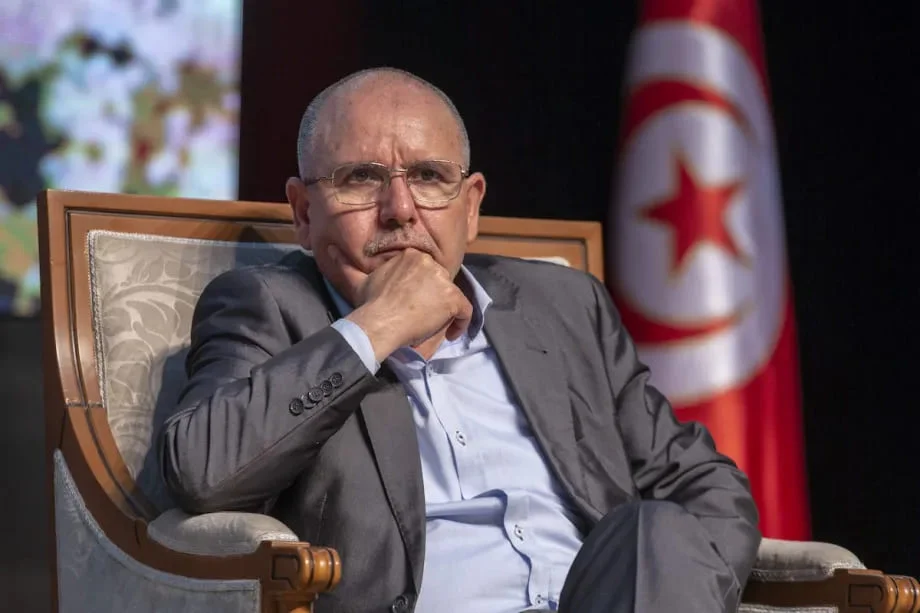
The battle for Tunisia’s democratic future took a sharp turn on Tuesday. Noureddine Taboubi, the powerful head of the Tunisian General Labour Union (UGTT), has stepped down.
His departure creates a dangerous leadership void. It comes at the worst possible moment for the opposition. The union is currently mobilizing for a massive confrontation with President Kais Saied next month. Consequently, this UGTT leader resignation threatens to destabilize the only organization capable of challenging the presidency.
Union insiders confirmed the exit, though a formal statement is pending. The timing is critical. With Taboubi out, the union must scramble to maintain unity before its planned nationwide shutdown.
High Stakes for the January 21 Strike
The UGTT is not just a trade union; it is a political heavyweight representing one million members. Before this leadership shakeup, the organization officially called for a general strike on January 21.
This mobilization is a direct counter-move against President Saied’s administration. The union demands urgent action on three fronts:
-
Halting Political Arrests: An end to the detention of journalists and activists.
-
Wage Increases: Immediate pay talks to offset crushing inflation.
-
Restoring Democracy: A reversal of the state’s authoritarian drift.
Without a permanent leader at the helm, the strategy for this high-stakes protest is now in question.
Political Gridlock and Executive Power
Tensions between the labor force and the presidential palace have simmered for years. Since 2021, President Saied has ruled largely by decree.
Supporters praise his aggressive stance against corruption. They argue his centralized approach is necessary to fix a broken system. Conversely, critics describe his consolidation of power as a “coup” that erased the gains of the 2011 revolution.
The UGTT previously guided the nation through its post-revolution transition. Now, it finds itself as the primary target of a government uninterested in compromise.
Economic Collapse Fuels Unrest
Meanwhile, the political infighting is playing out against a backdrop of severe economic misery. Ordinary citizens are facing a daily struggle for survival.
Cost-of-living indicators are flashing red. Families face soaring prices for food and frequent shortages of basic staples. Furthermore, public services like healthcare and transport are visibly crumbling.
These harsh realities have already sparked scattered street protests. The UGTT leader resignation adds a layer of unpredictability to an already volatile mix. As the January deadline approaches, Tunisia faces a period of deep uncertainty.
_______________________________________________________________________________________________________________________________