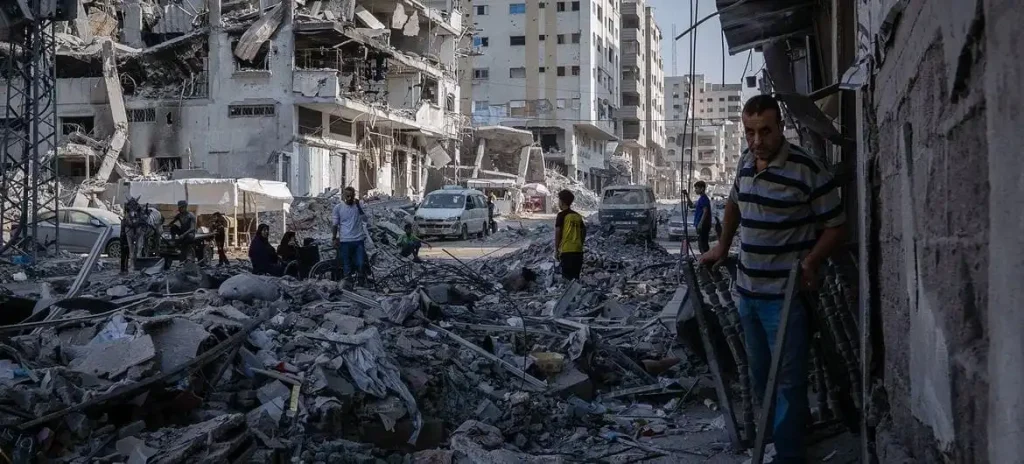
Freezing winds and torrential rain from Storm Byron have turned Gaza’s makeshift camps into uninhabitable swamps, reigniting a fierce debate over international relief efforts.
The severe weather system struck the coastal enclave on Thursday, December 11, 2025. It immediately highlighted the fragility of the two-month-old ceasefire. While the fighting has paused, the Gaza aid crisis has only intensified as winter conditions set in.
Vital infrastructure remains in ruins after two years of war. Consequently, displaced families found themselves battling rising floodwaters mixed with raw sewage.
Conflicting Data on Relief Efforts
As temperatures plummeted, a sharp diplomatic row erupted regarding the volume of supplies entering the territory.
Under the current truce terms, Israel pledged to facilitate the entry of 600 aid trucks daily. However, humanitarian organizations on the ground argue that these targets are virtually unmet.
The Israeli military body, COGAT, asserts it has cleared 1,500 trucks carrying warm clothing and 260,000 tents for entry. Yet, officials provided no concrete evidence to back these figures.
Gaza Aid Crisis: The Reality on the Ground
Independent data from the Shelter Cluster paints a starkly different picture. Their reports indicate that UN agencies have successfully delivered only 15,590 tents since the truce began. Even with an additional 48,000 units from other nations, the supply falls woefully short.
Amjad al-Shawa, Gaza chief of the Palestinian NGO Network, emphasized the massive gap between promises and reality. He noted that only a fraction of the 300,000 required tents have reached those in need. Furthermore, the few existing shelters lack the insulation necessary to withstand winter storms.
Infrastructure Collapse and Health Risks
The physical toll of the storm has been catastrophic. Without proper drainage, cesspits dug near tent encampments have overflowed. This has sent contaminated water surging through living areas.
Ahmad Abu Taha, a resident displaced near the beach, detailed the devastation.
“Water flooded all the tents here. There was a tent that was washed away,” Taha said. “Conditions are very bad, we have old people, displaced, and sick people inside this camp.”
The Palestinian Civil Defense has been overwhelmed. They logged more than 2,500 distress calls related to flooded or collapsed shelters in less than 24 hours.
Calls for Heavy Machinery
Political leaders are now demanding immediate logistical support. Khaled Mashaal, a senior Hamas official, called for the urgent entry of heavy machinery to clear rubble and the full opening of the Rafah crossing.
Simultaneously, al-Shawa accused Israeli authorities of blocking critical equipment, specifically water pumps needed to drain the flooded camps.
“All international sides should take the responsibility regarding conditions in Gaza,” al-Shawa said. “There is real danger for people in Gaza at all levels.”
Unequal Impact
The storm’s impact revealed a grim disparity in infrastructure. While heavy rains also blanketed Israel on Thursday, the country reported no significant emergencies.
Meanwhile, the UN agency for Palestinian refugees (UNRWA) issued a grave alert regarding the Gaza aid crisis.
“Cold, overcrowded, and unsanitary environments heighten the risk of illness and infection,” the agency stated.
__________________________________________________________________________________________________________________________________
EU Launches “Bankrupt” Strategy: New Sanctions Hit Human Smuggling Networks